


Crystals and Stones Used in Satanic Ritual Practice

Crystals and stones are optional tools in modern Satanic ritual. Practitioners may choose them for color, mineral character, symbolic association, tactile focus, altar design, or devotional meaning.
There is no official Satanic crystal system. Non-theistic practitioners often interpret stones psychologically or aesthetically, while theistic practitioners may also assign spiritual or energetic roles.
How Stones Function in Satanic Practice
- Symbolic anchors: A stone gives physical form to an idea or ritual role.
- Sensory focus: Weight, temperature, texture, and appearance help maintain attention.
- Altar structure: Stones can define positions, themes, or visual balance.
- Personal association: A mineral may mark a milestone, oath, study, or devotional relationship.
- Psychodrama: In non-theistic practice, the stone can reinforce an emotional or philosophical intention.
Six Stones Commonly Used in Satanic Ritual
1. Obsidian
Common themes: Shadow, reflection, boundary, volcanic fire, and protection.
Obsidian may be used as a dark altar stone or polished scrying surface. Its geological origin as volcanic glass gives it a strong material connection with fire and rapid cooling.
2. Black Onyx
Common themes: Discipline, self-control, endurance, and personal authority.
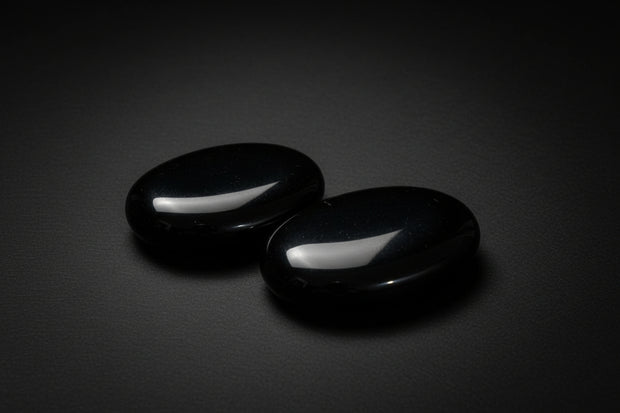
Black onyx is often carried, worn, or placed near written commitments and self-dedication work.
3. Hematite
Common themes: Grounding, material focus, iron, physical reality, and practical action.
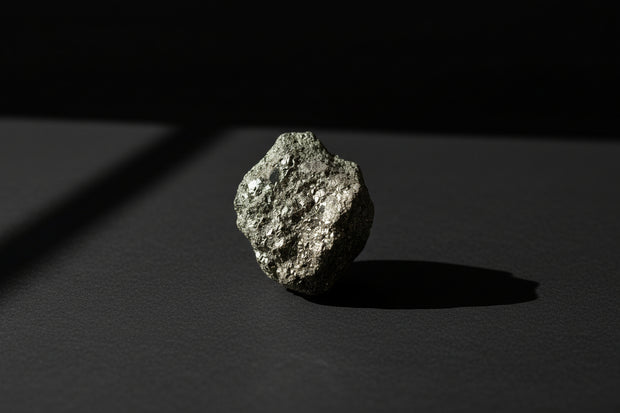
Hematite can be used as a reminder to translate ritual intention into embodied behavior.
4. Jet
Common themes: Mourning, mortality, grief, memory, and protection.
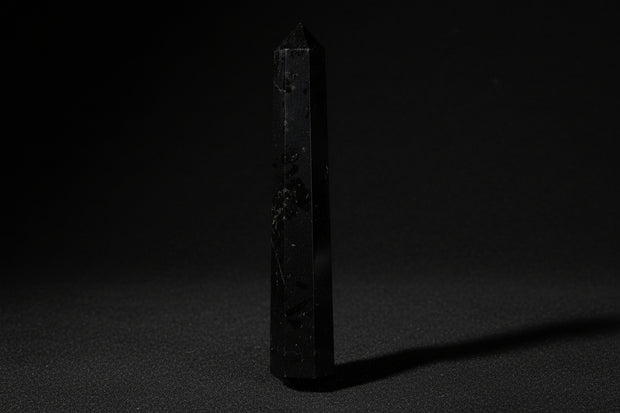
Jet is fossilized organic material with a long history in mourning jewelry. It may be included in remembrance or mortality-focused ritual.
5. Garnet
Common themes: Passion, vitality, desire, ambition, and embodied will.
Garnet is frequently chosen for its deep red color and association with drive or personal intensity.
6. Clear or Smoky Quartz
Common themes: Clarity, concentration, intention, and visual focus.
Quartz is common in broader occult practice. Smoky varieties are often selected for darker altar aesthetics, while clear quartz may serve as a neutral focal object.
Differences Between Satanic Traditions
Non-Theistic Satanism
Stones are generally understood as symbolic or psychological tools rather than supernatural batteries. Their value comes from deliberate association and ritual context.
Theistic Satanism
A stone may be dedicated to Satan, Lucifer, or another being; placed near offerings; or given a devotional correspondence. No universal theistic Satanic crystal doctrine exists.
Eclectic and Occult-Influenced Practice
Some practitioners combine Satanic philosophy with ceremonial magic, witchcraft, mineral collecting, divination, or modern crystal correspondences.
Practical Ritual Uses
- Place stones at defined altar positions.
- Hold one during an invocation, affirmation, or meditation.
- Use an obsidian mirror for scrying or visual contemplation.
- Wear a stone as ritual jewelry or identity symbolism.
- Pair a stone with a written goal or philosophical statement.
- Use several stones to visually distinguish ritual stages.
How to Choose a Stone
- Begin with the purpose of the ritual.
- Study the mineral’s actual composition and physical care needs.
- Choose symbolism that fits your own philosophy.
- Avoid claims that one expensive specimen is spiritually mandatory.
- Consider mining, labor, environmental impact, and seller transparency.
Care and Safety
- Keep unknown minerals out of water, food, drinks, baths, and elixirs.
- Do not grind, burn, or inhale mineral dust.
- Wash hands after handling specimens that contain metals or unknown treatments.
- Use stable stands for heavy, sharp, or fragile pieces.
- Keep small stones away from children and pets.
Frequently Asked Questions
Are there official Satanic crystals?
No. No recognized Satanic authority requires particular minerals.
Do Satanists believe crystals have supernatural power?
Some theistic or occult-influenced practitioners do; many non-theistic practitioners use them symbolically or aesthetically.
Which stone is most common on Satanic altars?
Obsidian, black onyx, hematite, jet, garnet, and quartz are common choices, but personal meaning matters more than a fixed list.
Related Reading
Tools for this practice
Explore the products selected for this guide. Review each listing for what is included and how to use it.
Shop this guide · 4 items Collapse


Keep exploring the shop
You made it to the end of the guide. Keep exploring through related products, major departments, or the full catalog.
 RELATED TO THIS GUIDE
Crystals & Stones
Shop this topic
RELATED TO THIS GUIDE
Crystals & Stones
Shop this topic


Leave a comment