


The Role of Symbolism in Satanic Practice

Symbolism is central to modern Satanic identity and ritual. A symbol can condense philosophy, history, opposition, personal values, and group identity into one visual form.
Satanic imagery is not automatically an object of worship or a threat. Its meaning depends on the practitioner, organization, context, and intended audience.
Why Symbolism Matters in Satanism
- Philosophical shorthand: One image can communicate autonomy, materialism, rebellion, or self-development.
- Identity: Symbols create recognition and belonging.
- Psychological association: Repeated imagery can trigger confidence, focus, or ritual attention.
- Cultural boundary: Adversarial symbols distinguish Satanic identity from dominant religious systems.
- Devotion: Theistic practitioners may use a symbol as a representation of a spiritual being or relationship.
Core Symbols in Modern Satanism
Sigil of Baphomet
The Sigil of Baphomet combines an inverted pentagram, a goat’s head, an enclosing circle, and Hebrew letters spelling Leviathan. The Church of Satan adopted and popularized its modern form.
Common interpretations include material existence, carnality, opposition to religious authority, individualism, and Satanic identity. Readers who want a physical version of the emblem for display or altar symbolism can use a Baphomet engraved slate altar tile; the object is optional and does not define Satanic identity.
Inverted Pentagram
The pentagram predates modern Satanism. Inverted forms have acquired several meanings, including reversal, adversarial identity, the priority of material existence, or rejection of conventional spiritual hierarchy.
Context determines meaning; an inverted pentagram is not automatically Satanic or harmful.
Baphomet
The familiar goat-headed Baphomet derives largely from nineteenth-century occult imagery associated with Éliphas Lévi.
Modern interpretations may emphasize balance of opposites, integration of instinct and intellect, occult knowledge, duality, or the reconciliation of apparent contradictions.
Leviathan Cross
The symbol commonly called the Leviathan Cross combines an alchemical sulfur symbol with a double cross. Modern Satanic use varies, and historical origins should not be reduced to one modern interpretation.
Personal Sigils
Practitioners may design symbols representing a goal, identity, oath, philosophical commitment, or ritual role. Personal sigils reinforce individual autonomy rather than a universal doctrine.
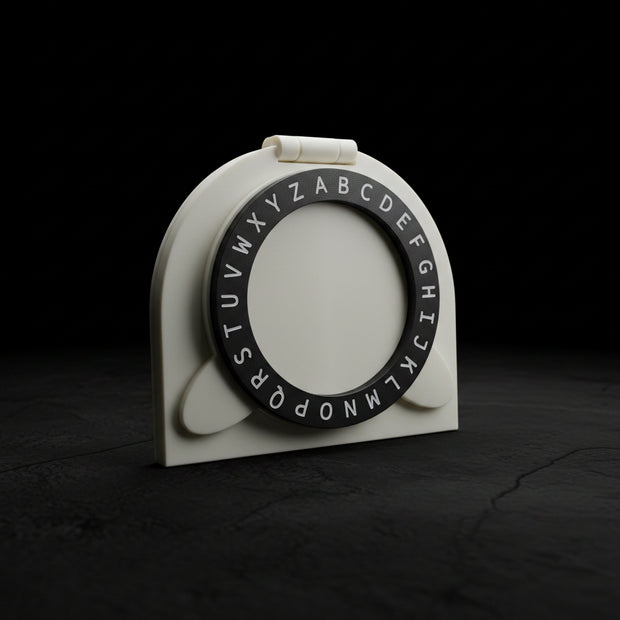
A personal sigil can be drawn entirely by hand with ordinary paper and pen. For readers who prefer a repeatable physical construction method, the Sigil Forge Starter Set provides a consistent plate-and-holder workflow for building a symbol without making the tool spiritually necessary.
Symbolic Inversion
Satanic symbolism frequently reverses or reclaims images condemned by dominant religious traditions.
- Sin may be reframed as natural human impulse.
- Pride may be reframed as self-respect.
- Rebellion may be reframed as autonomy.
- The adversary may be reframed as challenger, liberator, or teacher.
- Inverted ritual may mark separation from inherited authority.
Inversion can be philosophical, devotional, political, artistic, or psychological rather than merely provocative.
Symbolism Within Ritual Tools
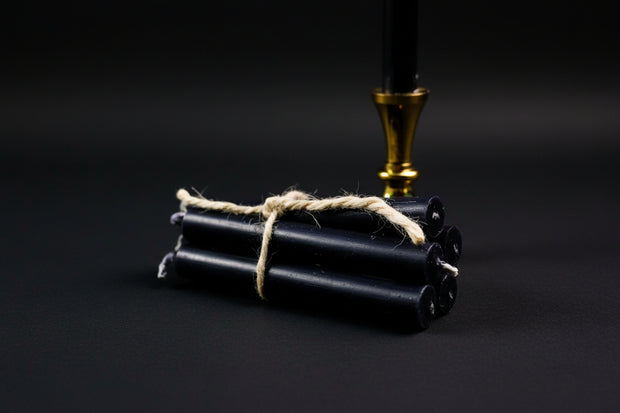
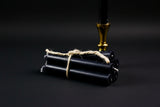
- Candles: Focus, transformation, atmosphere, and ceremonial time. A black chime candle is one optional form when its color symbolism fits the practice.
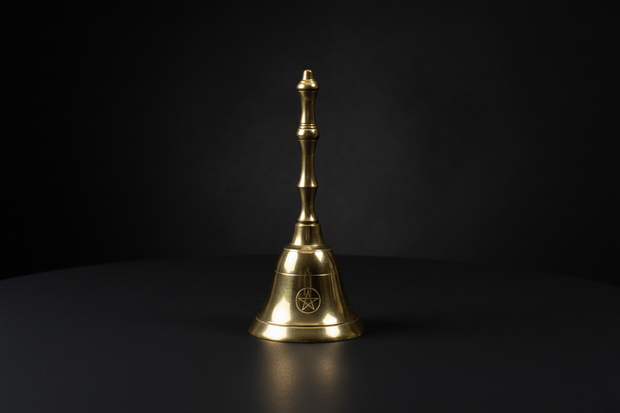
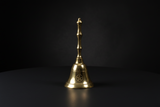
- Bell: Transition, attention, and closure. A brass ritual bell provides a concrete sound cue for those transitions.
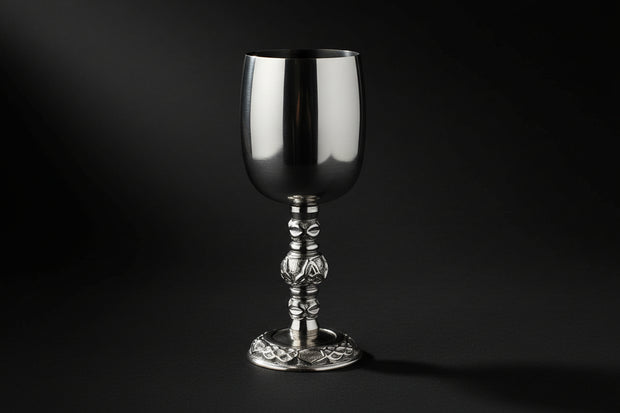
- Chalice: Offering, internalization, pleasure, or ceremonial toast. A plain stainless steel ritual chalice can serve that function without imposing a particular emblem.
- Blade: Decision, boundary, severance, or directed will
- Mirror: Self-examination, reflection, and hidden identity
- Stones: Grounding, color symbolism, tactile focus, or devotion
- Altar layout: Visual hierarchy and organization of the ritual’s meaning
Differences Between Satanic Traditions
Non-Theistic Satanism
Symbols generally function as philosophical statements, identity markers, psychodramatic tools, artistic images, or public political expression.
Theistic Satanism
A symbol may also be understood as devotional, invocatory, protective, or connected with an external spiritual being.
Luciferianism
Luciferian symbolism often emphasizes light, fire, the morning star, knowledge, liberation, and deliberate self-development.
Color and Aesthetic Language
- Black: Opposition, mystery, boundary, mourning, power, or ritual seriousness
- Red: Passion, vitality, danger, desire, and embodied will
- White or silver: Contrast, clarity, illumination, and formal balance
- Metal: Durability, industry, discipline, and visual severity
- Goat, serpent, flame, star, and crown imagery: Meanings vary by tradition and context
Public Context and Responsible Use
Satanic symbols carry strong public associations. Practitioners may consider privacy, employment, family relationships, property rules, local context, and whether public provocation is intentional.
Misunderstanding does not erase the practitioner’s intended meaning, but strategic awareness can prevent unnecessary conflict.
Frequently Asked Questions
Is the Sigil of Baphomet worshiped as a deity?
Not generally. It is an emblem and symbolic design, although individuals may assign devotional meaning to related figures.
Why are inverted symbols common in Satanism?
They communicate opposition, reinterpretation, reclamation, or separation from dominant religious authority.
Can Satanists create personal symbols?
Yes. Personal sigils and emblems are common tools for identity, ritual focus, and philosophical commitment.
Related Reading
Tools for this practice
Explore the products selected for this guide. Review each listing for what is included and how to use it.
Shop this guide · 4 items Collapse


Keep exploring the shop
You made it to the end of the guide. Keep exploring through related products, major departments, or the full catalog.
 RELATED TO THIS GUIDE
Ritual Supplies & Altar Tools
Shop this topic
RELATED TO THIS GUIDE
Ritual Supplies & Altar Tools
Shop this topic


Leave a comment