


Satanic Ritual Tools and Altar Construction

Satanic altars vary widely because Satanism is not one unified religion. Some practitioners use ritual as psychodrama, self-expression, reflection, or philosophical theater. Others approach Satan or related figures devotionally. Many combine personal symbolism with ceremonial structure.
A Satanic altar may be elaborate or minimal, permanent or temporary, openly displayed or stored discreetly. In every case, tools should serve the purpose of the practice. An altar does not need to be expensive, crowded, or visually dramatic to function as a focused symbolic space.
What is a Satanic altar?
A Satanic altar is a designated surface used to organize symbols, tools, study materials, offerings, and ritual actions. Depending on the practitioner, it may represent:
- the self as the center of authority;
- a space for reflection or emotional release;
- devotion to Satan, Lucifer, or another named figure;
- philosophical opposition to imposed religious authority;
- a controlled setting for meditation, invocation, study, or symbolic work;
- a display of identity, values, art, or personal achievement.
No single layout or required object applies across Satanic traditions.
Begin with the purpose and location
Before selecting tools, decide whether the altar will support:
- private meditation;
- symbolic or psychodramatic ritual;
- devotional prayer and offerings;
- study and journaling;
- seasonal or occasional ceremonies;
- display of philosophy, identity, or personal milestones.
Choose a stable table, shelf, cabinet, dresser, portable box, or temporary cloth. Consider privacy, household consent, available space, accessibility, and whether the altar needs to be concealed. Keep flame, incense, liquids, paper, fabric, and sharp tools from crowding one another.
Starting a Satanic Altar from Scratch?
Begin with the surface rather than a long tool list. The The Sight Satanic Altar Cloth creates a defined working area for symbols, a journal, candles in safe holders, and other personally chosen tools.
View The Sight Satanic Altar Cloth →
An altar cloth is optional; an ordinary clean, stable surface works just as well when it fits the practice and can be used safely.
The altar surface and cloth
A black cloth is common but optional. Any color or material can be used when it supports the practitioner’s symbolism and can be cleaned safely. The goal is simply to define a clean, stable working area. Keep fabric clear of open flame and hot charcoal.
Central symbols
The central object may be a Sigil of Baphomet, personal sigil, statue, medallion, artwork, mirror, written statement, or devotional image. Choose the symbol because it belongs to the practitioner’s actual philosophy or devotional relationship, not because a Satanic altar is assumed to require one particular figure.
Those studying Baphomet imagery can examine statues, decorated tiles and other objects using the symbol, while keeping in mind that traditions and interpretations differ and none of these pieces is mandatory for an altar.
Recognizable emblems should be used with an understanding of their history and organizational associations. A personal symbol may be more appropriate when the practitioner does not identify with a particular organization.
Candles and flameless lights
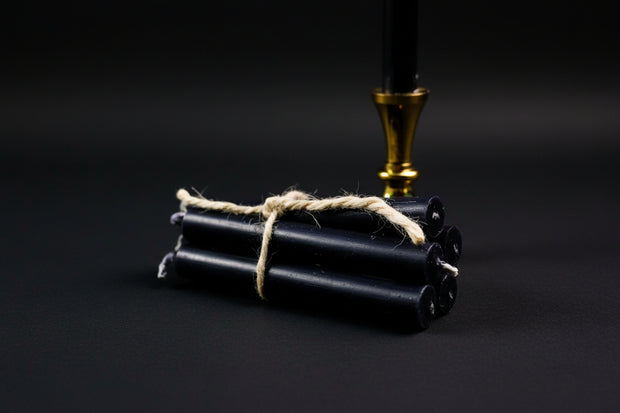
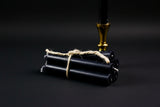
Candles create light, atmosphere, and a deliberate sense of ritual time. Common modern associations include black for boundaries or adversarial symbolism, red for vitality or desire, and white for clarity or general use. These meanings are conventions rather than universal laws. A black chime candle is a compact option when black candle symbolism fits the working.
Use stable holders, keep flame away from fabric, books, hair, offerings, and paper, and never leave candles unattended. LED candles are suitable for discreet, portable, low-energy, pet-aware, dormitory, or flame-free setups.
Chalice or cup
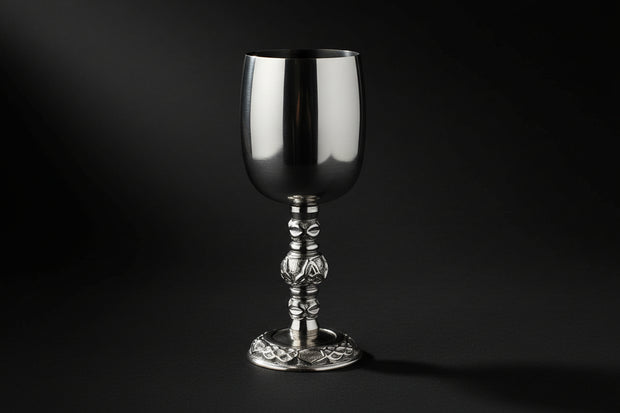
A small ritual chalice may hold water, juice, tea, wine, or another lawful and appropriate beverage for a toast, offering, or symbolic libation.
Do not place unknown herbs, ritual oils, non-food-safe metals, powders, ash, or other unsafe substances in a drink. Ritual meaning does not make a material safe to consume.
Bell, journal, and ritual book
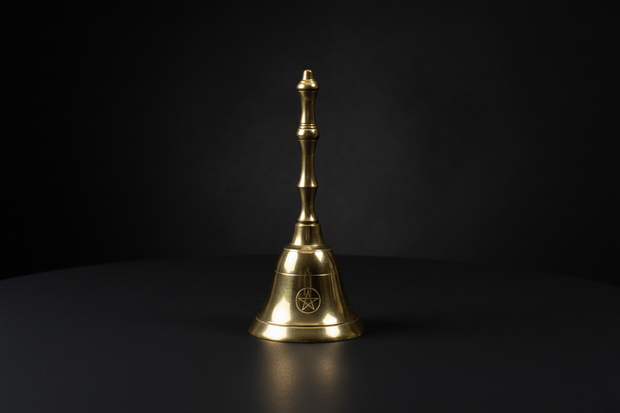
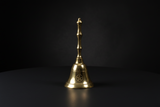
A bell, chime, drum, timer, or spoken phrase can mark the beginning and ending of a ritual. Sound creates a clear transition without requiring smoke.
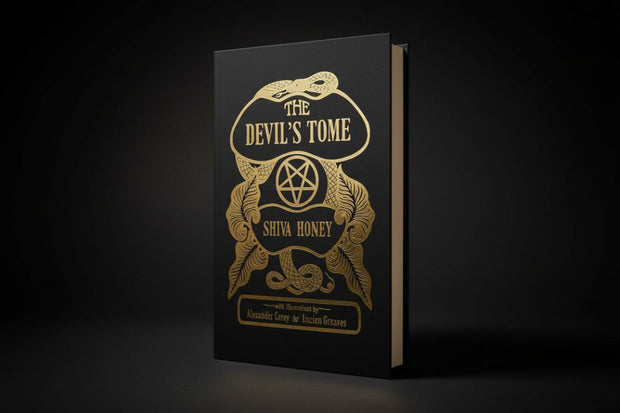
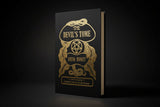
A journal or ritual book keeps readings, invocations, sources, reflections, goals, and revisions within reach. A product such as The Devil’s Tome may provide a structured source, but no single book represents every Satanic practice.
Ritual blade, wand, and symbolic tools
A ritual blade may symbolize decision, separation, authority, or directed attention. It does not need to be sharpened, cut skin, or draw blood. Safer substitutes include a dull ceremonial blade, letter opener, wooden tool, or symbolic wand.
Statues, mirrors, stones, art, keys, bones, talismans, or personal objects may also be included. Choose objects whose function and meaning are understood rather than filling the altar from a generic checklist.
Incense and scent
Incense may support atmosphere, memory, invocation, offerings, or the deliberate transformation of a room. Smoke is not required. An unlit resin, scent-free object, music, bell, or visual cue may be more appropriate for asthma, birds, pets, children, shared housing, or poor ventilation. A loose resin such as Black Accord Ritual Resin Blend can suit charcoal-based ritual incense when smoke is appropriate and the space is well ventilated.
Read The Importance and Ritual Use of Incense in Satanism.
Mirrors, scrying tools, crystals, and stones
A mirror may represent self-confrontation, identity, shadow, vanity, introspection, or divination. It can function as a visual focus without assuming supernatural results. Stop mirror-gazing that produces panic, dissociation, severe distress, or perceptual disturbance.
Some Satanists use stones as symbolic anchors; others reject metaphysical claims. A stone may represent weight, endurance, color, geology, or a chosen philosophical association. Read Crystals and Stones Used in Satanic Ritual Practice.
A practical altar layout
- Place the central symbol at the back or center.
- Position candles or LED lights with generous clearance.
- Keep the chalice and journal within comfortable reach.
- Place blades and other tools flat, secured, and away from the edge.
- Group small symbolic items instead of overcrowding the surface.
- Keep matches, a snuffer, cleaning supplies, and other functional items in a nearby drawer or box.
- Use incense in a separate heat-safe burner only when ventilation allows.
Symmetry can create visual authority, but asymmetry may better suit an individual practice. Function matters more than conformity.
Minimalist, portable, and discreet altars
A portable altar can fit in a drawer, ordinary box, pouch, or small travel case. A journal, removable symbol, LED light, foldable cloth, and one personal object are enough. A temporary setup is no less legitimate than a permanent room.
- Choose one compact focal piece, printed symbol, talisman, or small statue.
- Pack fragile objects separately.
- Keep liquids upright in a sealed secondary bag.
- Use LED light in hotels, dormitories, vehicles, shared housing, and places where flame or smoke is restricted.
- Do not transport blades, charcoal, flammable liquids, or restricted objects through security checkpoints.
- Return every item to storage only after it is clean, cool, and dry.
Discretion protects privacy; it should never be used to conceal harm, coercion, or illegal conduct.
Differences across Satanic practice
Atheistic and symbolic approaches
Tools may function as instruments of psychodrama, emotional regulation, identity, protest, philosophical reflection, or focused self-expression.
Theistic and devotional approaches
Tools may be consecrated, offered, or associated with specific spirits or deities. Practices vary greatly and are not governed by one universal grimoire.
Independent and eclectic approaches
Many practitioners create personal systems that do not match a large organization. Those systems should be described honestly rather than presented as universal Satanic rules.
Personalizing the altar
- Choose colors and artwork that reflect your philosophy or devotion.
- Add a motto, statement of values, chosen name, or written goal.
- Use music, lighting, or seasonal changes to alter the atmosphere.
- Display tokens of study, achievement, remembrance, or personal milestones.
- Remove objects that no longer fit the practice.
Maintenance and storage
Dust the altar, replace damaged candles, remove spoiled offerings, clean wax or oil, inspect holders, and keep the working area uncluttered. Store liquids, blades, matches, charcoal, smoke materials, and irreplaceable objects securely.
A clean altar is easier to use and visually stronger. Maintenance can also serve as a review: which objects are used, which are decorative, which are unsafe, and which no longer represent the practice?
Safety and consent
- Never use blood, self-injury, or unsafe blades as proof of commitment.
- Keep fire and charcoal continuously supervised.
- Ventilate smoke and consider pets and other residents.
- Do not place toxic, unknown, or non-food-safe materials in drinks.
- Do not pressure another person to participate or touch private objects.
- Do not use ritual to replace medical or mental-health treatment.
- Secure private symbols when disclosure could endanger housing, employment, or personal safety.
Frequently asked questions
What is required on a Satanic altar?
Nothing is universally required. A symbol, safe source of light, and journal are enough for a functional beginning.
Can a Satanic altar be hidden?
Yes. Cabinets, boxes, drawers, notebooks, and portable setups are common when privacy is important.
Does an altar need a statue of Baphomet?
No. A printed symbol, personal artwork, mirror, book, medallion, or another meaningful focal object can be used instead.
Does the altar need to be permanent?
No. A temporary cloth or portable box can create a complete working area and be stored afterward.
Compare Available Altar Tools
Browse the Satanic Altar Supplies collection to compare current candles, altar cloths, vessels, bells, symbolic objects, and other tools in one place. Choose by actual function and documented materials rather than treating any item as mandatory.
Build the altar around the practice
The strongest altar is not the most expensive or dramatic. It is the one whose symbols are understood, whose tools can be used safely, and whose layout supports the practitioner’s actual ritual method.
For broader context, read How Ritual Works in Modern Satanism and The Role of Symbolism in Satanic Practice.
This article discusses religious and symbolic ritual. It does not endorse illegal activity, self-harm, coercion, unsafe fire, or the use of ritual as a substitute for health care or emergency assistance.
Tools for this practice
Explore the products selected for this guide. Review each listing for what is included and how to use it.
Shop this guide · 4 items Collapse

Keep exploring the shop
You made it to the end of the guide. Keep exploring through related products, major departments, or the full catalog.
 RELATED TO THIS GUIDE
Candles & Incense
Shop this topic
RELATED TO THIS GUIDE
Candles & Incense
Shop this topic


Leave a comment