


Deity Correspondence Compendium

This deity correspondence guide gathers modern ritual associations for selected gods and goddesses. Correspondences vary between historical sources, regional cults, modern religious communities, occult authors, and individual practitioners. Use each entry as a research starting point rather than a universal rule.
Celtic Deity Correspondences
Brigid
- Themes: Fire, healing, poetry, smithcraft, and household inspiration
- Colors: White, red, and gold
- Offerings: Water, oats, bread, milk, poetry, candles, and handmade work
- Modern symbols: Brigid’s cross, flame, well, anvil, and early spring
The Morrígan
- Themes: Sovereignty, conflict, prophecy, fate, and transformation
- Colors: Black, red, and deep purple
- Offerings: Poetry, dark berries, red wine, disciplined study, and symbolic iron
- Modern symbols: Crow, raven, battlefield, river, and crown
Lugh
- Themes: Skill, mastery, oath, kingship, craft, and harvest
- Colors: Gold, yellow, and green
- Offerings: Bread, grain, fruit, music, tools, and demonstrations of skill
- Modern symbols: Spear, sun, harvest, and crafted object
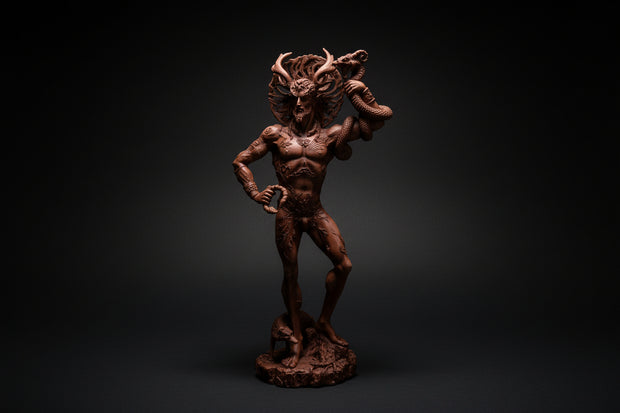
Cernunnos
- Themes: Wild animals, abundance, liminality, and prosperity
- Colors: Green, brown, and forest tones
- Offerings: Bread, nuts, coins, land care, and responsibly sourced natural imagery
- Modern symbols: Antlers, torc, serpent, forest, and animals
Norse Deity Correspondences
Odin
- Themes: Wisdom, poetry, runes, magic, war, and the dead
- Colors: Grey, black, and deep blue
- Offerings: Mead, poetry, study, incense, and runic work
- Symbols: Ravens, wolves, spear, one eye, and the runes
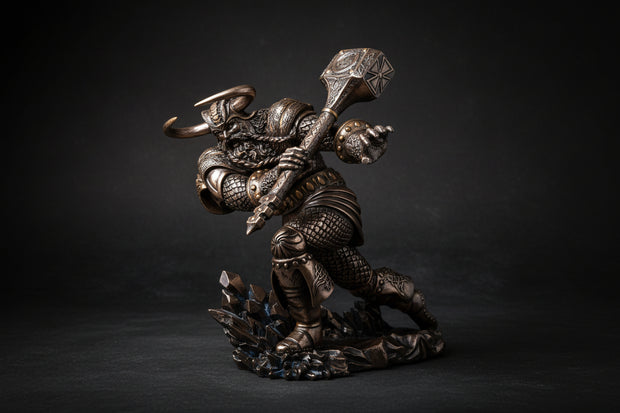
Thor
- Themes: Thunder, protection, strength, courage, and community defense
- Colors: Red, brown, and iron grey
- Offerings: Ale, bread, physical service, and household protection
- Symbols: Mjölnir, oak, thunder, goats, and belt
Freyja
- Themes: Love, beauty, magic, sovereignty, battle, and death
- Colors: Gold, green, pink, and amber
- Offerings: Honey, flowers, amber-colored objects, poetry, and beauty rituals
- Symbols: Cats, falcon cloak, necklace, boar, and amber
Loki
- Themes: Change, cunning, disruption, ambiguity, and transformation
- Colors: Red, orange, and black
- Offerings: Spiced food, sweets, creative work, laughter, and fire symbolism
- Symbols: Flame, knot, serpent, mask, and boundary crossing
Hellenic Deity Correspondences
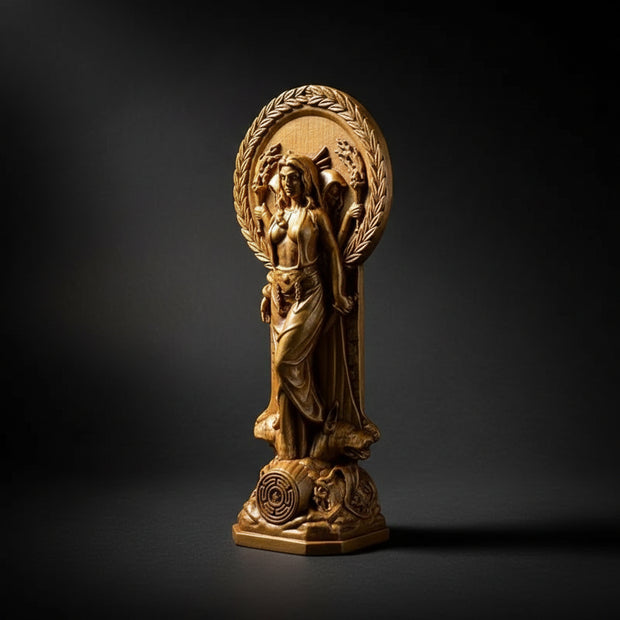
Hecate
- Themes: Crossroads, magic, household boundaries, night, and liminality
- Colors: Black, purple, silver, and saffron
- Offerings: Garlic, eggs, bread, incense, keys, and threshold care
- Symbols: Torches, keys, dogs, crossroads, and triple form
Apollo
- Themes: Prophecy, music, healing, purification, archery, and light
- Colors: Gold, white, and yellow
- Offerings: Bay, honey, citrus, music, poetry, and incense
- Symbols: Lyre, laurel, bow, sun imagery, and raven
Artemis
- Themes: Wilderness, animals, hunting, protection, and transition
- Colors: Silver, green, and white
- Offerings: Clean water, bread, berries, nature care, and candles
- Symbols: Bow, deer, bear, moon imagery, and forest
Persephone
- Themes: Spring, underworld, seasonal change, queenship, and transformation
- Colors: Red, black, green, and floral tones
- Offerings: Pomegranate, flowers, seasonal fruit, poetry, and remembrance
- Symbols: Pomegranate, grain, flowers, crown, and underworld throne
Dionysos
- Themes: Wine, theater, ecstasy, liberation, transformation, and vegetation
- Colors: Purple, green, gold, and wine red
- Offerings: Grapes, wine or juice, music, dance, theater, and honey cakes
- Symbols: Ivy, grapevine, thyrsus, mask, and big cats
Kemetic Deity Correspondences
Aset
- Themes: Magic, protection, kingship, motherhood, and devotion
- Colors: Blue, gold, white, and red
- Offerings: Water, bread, milk, incense, flowers, and devotional writing
- Symbols: Throne, wings, knot of Isis, and star
Wesir
- Themes: Regeneration, agriculture, kingship, judgment, and the dead
- Colors: Green, black, white, and gold
- Offerings: Bread, grain, water, green plants, and incense
- Symbols: Djed pillar, crook and flail, grain, and mummy form
Anpu
- Themes: Funerary care, protection, embalming, and liminal passage
- Colors: Black and gold
- Offerings: Water, bread, incense, candles, and service to the grieving
- Symbols: Jackal, scales, tomb, and black stone
Hathor
- Themes: Joy, music, dance, love, beauty, sky, and hospitality
- Colors: Gold, red, turquoise, and pink
- Offerings: Sweets, flowers, music, dance, perfume, and clean water
- Symbols: Sistrum, cow horns, sun disk, mirror, and turquoise
Wiccan and Modern Pagan Figures
The Goddess
Common modern associations include moon imagery, cycles, water, birth, death, renewal, silver, white, flowers, apples, and moonstone. Wiccan theology varies substantially between traditions.
The Horned God
Common modern associations include wilderness, animals, seasonal growth and decline, green and brown colors, oak, antlers, bread, wine, and fire imagery.
How to Use This Compendium
- Start with the deity’s historical culture and surviving sources.
- Compare several modern practitioners and organizations.
- Mark which correspondences are historical, modern, regional, or personal.
- Choose a simple offering or symbol that fits your circumstances.
- Keep notes and revise the entry as your research improves.
Frequently Asked Questions
Are deity correspondences universal?
No. They change across cultures, historical periods, authors, communities, and individual practices.
Can a modern correspondence still be useful?
Yes, provided it is identified as modern rather than presented as documented ancient tradition.
Do you need every listed item?
No. One researched symbol, prayer, or simple offering is enough for a focused devotional practice.
Related Reading
Tools for this practice
Explore the products selected for this guide. Review each listing for what is included and how to use it.
Shop this guide · 3 items Collapse


Keep exploring the shop
You made it to the end of the guide. Keep exploring through related products, major departments, or the full catalog.


Leave a comment