


Offerings by Pantheon: How Modern Pagans Honor Their Gods & Goddesses

Offerings are gifts of food, drink, incense, light, art, service, or attention given within a devotional relationship. Their meaning and form vary by culture, deity, historical period, and modern religious community.
How Pagan Offerings Work
Offerings may express gratitude, hospitality, remembrance, reciprocity, devotion, or participation in a festival. They are not a purchase that obligates a deity to produce a result.
Common Types of Offerings
- Clean water, bread, fruit, grains, honey, or another culturally appropriate food
- Wine, beer, mead, tea, milk, juice, or a nonalcoholic alternative
- Incense, flowers, candles, music, poetry, art, or handmade objects
- Prayer, meditation, study, shrine care, charity, and acts of service
Responsible Offering Practice
- Research the deity and tradition before copying a correspondence list.
- Keep offerings within your budget and personal limitations.
- Do not leave food, salt, wax, ribbon, glass, or other harmful material outdoors.
- Keep smoke, flame, allergies, children, and pets in mind.
- Use household waste, compost, recycling, or ordinary food handling as appropriate.
Celtic-Inspired Offerings
Celtic traditions are regionally distinct. Modern practitioners may draw from Irish, Welsh, Gaulish, Scottish, or other specific sources rather than treating every Celtic culture as one system.
- Brigid: Clean water, milk, oats, bread, poetry, craftwork, or a supervised flame
- Lugh: Bread, grain, fruit, demonstrations of skill, music, or handmade work
- The Morrígan: Poetry, disciplined study, dark berries, red wine, or symbolic objects connected with sovereignty
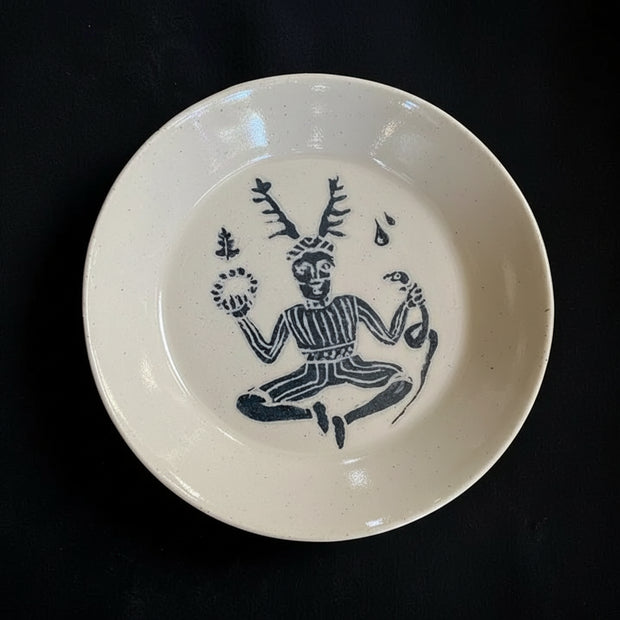
- Cernunnos: Coins, forest imagery, bread, nuts, responsible land care, or animal symbolism
Norse and Heathen Offerings
Heathen practice often emphasizes reciprocity, hospitality, oath, and community. A modern blót may include prayer and a shared offering of drink or food.
- Odin: Mead, poetry, study, runic work, incense, or acts of disciplined learning
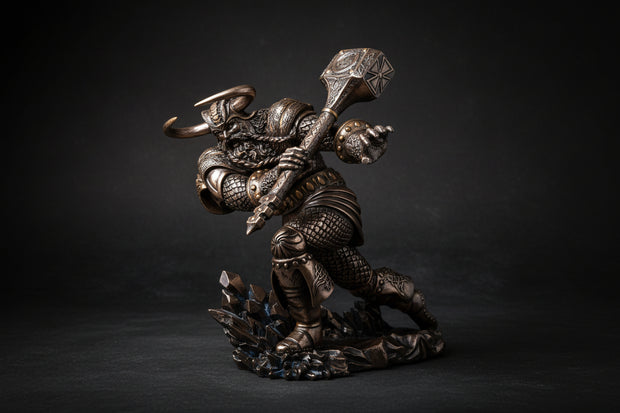
- Thor: Ale, bread, strength-related service, household protection, or Mjölnir symbolism
- Freyja: Honey, flowers, amber-colored objects, poetry, beauty, or devotional art
- Freyr: Grain, fruit, bread, garden work, or seasonal prosperity offerings
Greek and Hellenic Offerings
Hellenic polytheism often uses prayer, hymns, incense, libations, and food offerings within a relationship of kharis, or reciprocal goodwill.
- Hestia: Clean water, bread, incense, household care, or the first portion of a meal
- Apollo: Bay, music, poetry, honey, citrus, incense, or study
- Aphrodite: Flowers, perfume, apples, sweets, art, or acts of self-respect
- Hecate: Garlic, eggs, bread, incense, keys, or household threshold care For the symbolism behind those choices, read why Hecate is a liminal goddess.
- Persephone: Pomegranate, flowers, seasonal fruit, poetry, or remembrance
Egyptian and Kemetic Offerings
Kemetic devotional practice emphasizes cleanliness, order, shrine care, and the presentation and reversion of offerings.
- Aset: Water, bread, milk, incense, flowers, or devotional writing
- Anpu: Water, bread, dark stone imagery, incense, or care for the dead and grieving
- Wesir: Bread, grain, water, green plants, or regeneration symbolism
- Hathor: Music, dance, sweets, flowers, perfume, or joyful celebration
- Sekhmet: Clean water, red-colored symbols, prayer, medical charity, or protective service
Wiccan and Eclectic Pagan Offerings
Wiccan and eclectic offerings may be directed to named deities, a Goddess and God, ancestors, elements, or seasonal powers. Common choices include water, wine, bread, fruit, flowers, herbs, candles, and acts related to a Sabbat.
How to Choose an Offering
- Study the deity’s culture, myths, historical worship, and modern community practices.
- Choose something lawful, affordable, safe, and meaningful.
- State whom the offering is for and why it is being given.
- Leave it for an appropriate period within the ritual space.
- Dispose of or consume it according to the tradition and ordinary safety practices.
Frequently Asked Questions
Can an offering be nonphysical?
Yes. Prayer, study, art, service, shrine care, and charitable work can all function as offerings.
What should be done with an offering afterward?
Use ordinary household disposal, composting, recycling, or respectful consumption when the tradition and food-safety rules permit it.
Is an expensive offering better?
No. Consistency, cultural context, sincerity, and responsible practice matter more than price.
Browse Devotional and Symbolic Items
If a physical focal object fits your practice, browse Deity Statues, Idols & Talismans. A purchased object is optional; historical context, consent, affordability, and responsible practice matter more than buying something for its own sake.
Related Reading
Tools for this practice
Explore the products selected for this guide. Review each listing for what is included and how to use it.



Leave a comment