


How to Build a Deity Altar

A deity altar is a dedicated place for prayer, offerings, study, meditation, ritual, and devotional relationship. It may be a permanent table, a small shelf, a cabinet, a portable box, or a temporary arrangement used only during ritual.
Deity Altar vs. Deity Shrine
Shrine
A shrine is primarily devotional. It holds images, symbols, offerings, prayers, and objects connected with the deity.
Altar
An altar is a working ritual surface. It may include devotional objects as well as tools for prayer, divination, offerings, meditation, and magic. Many practitioners combine altar and shrine functions.
Where to Place a Deity Altar
- Choose a stable table, shelf, dresser, cabinet, or portable container.
- Use a location that supports privacy and regular access.
- Keep flame and incense away from fabric, books, low shelves, drafts, children, and pets.
- Avoid areas where water, cooking grease, vibration, or clutter may damage the setup.
- Adapt the height and layout for mobility, accessibility, and the actual room.
A deity does not universally “require” a high or low altar. Placement traditions should be researched within the specific religion rather than inferred from a deity’s domain.
Core Elements of a Deity Altar
Representation of the Deity
Use a statue, print, handwritten name, symbol, candle color, or meaningful object. A purchased statue is optional.
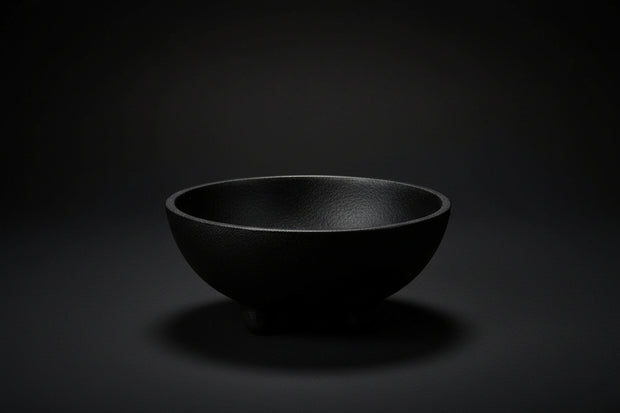
Offering Bowl or Plate
A washable bowl or plate can hold food, flowers, herbs, or symbolic objects. Remove perishable offerings promptly.
Candle or Safe Light
A ritual candle may mark prayer or ritual time. An LED candle is appropriate where flame is unsafe or prohibited.
Incense or Smoke-Free Alternative
Incense may be used when ventilation and health permit. Bells, flowers, water, music, or a fan can provide smoke-free symbolism.
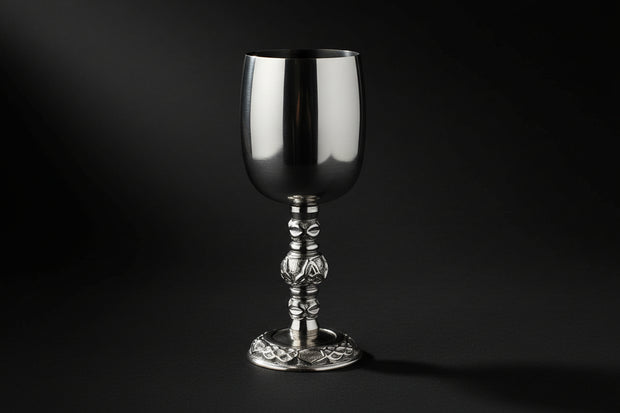
Water or Libation Cup
Clean water is a simple, affordable offering used in many traditions. Replace it before it becomes stale or contaminated.
Journal or Devotional Text
Keep prayers, research notes, hymns, dreams, offerings, and ritual records near the altar.
Clear Working Space
Leave enough uncluttered surface to set down a bowl, open a book, shuffle cards, or write safely.
How to Build a Deity Altar
- Research the deity and tradition. Identify documented symbols, offerings, and ritual customs.
- Choose the surface. Clean it and make sure it is stable.
- Add the central representation. Place the deity image, name, or symbol where it can be seen comfortably.
- Add one light and one offering vessel. Keep the initial setup simple.
- Add a journal or prayer. Write why the space is being created.
- Dedicate the altar. State that the area is reserved for devotional practice.
- Use the altar. Pray, study, meditate, offer water, or perform a brief ritual.
A Simple Altar Dedication
“I dedicate this space to respectful study, devotion, and remembrance. May my practice remain thoughtful, responsible, and sincere.”
Use language appropriate to your theology and tradition. A dramatic invocation is not necessary.
Maintaining a Deity Altar
- Dust the surface and inspect candles, cords, and containers.
- Replace water and remove perishable food before it spoils.
- Clean ash, wax, oil, and incense residue safely.
- Store small, sharp, fragile, or toxic objects securely.
- Refresh seasonal items and retire anything that no longer fits the practice.
- Keep the altar usable rather than overcrowded.
Common Beginner Mistakes
- Buying many objects before understanding their purpose
- Using several flames on a crowded surface
- Leaving food, standing water, smoke residue, or wax unattended
- Copying correspondences without researching their source
- Assuming every dream, coincidence, or candle movement is a command
- Treating a neglected altar as a moral failure instead of cleaning, closing, or changing the practice
Frequently Asked Questions
What does every deity altar need?
No universal set is required. A representation, clean surface, offering vessel, and journal create a practical beginning.
Can several deities share one altar?
Yes, when that arrangement fits the traditions and the practitioner can keep each relationship clear and respectful.
Can a deity altar be temporary?
Yes. Portable boxes, trays, and ritual-only arrangements are useful for privacy, travel, and limited space.
Related Reading
Tools for this practice
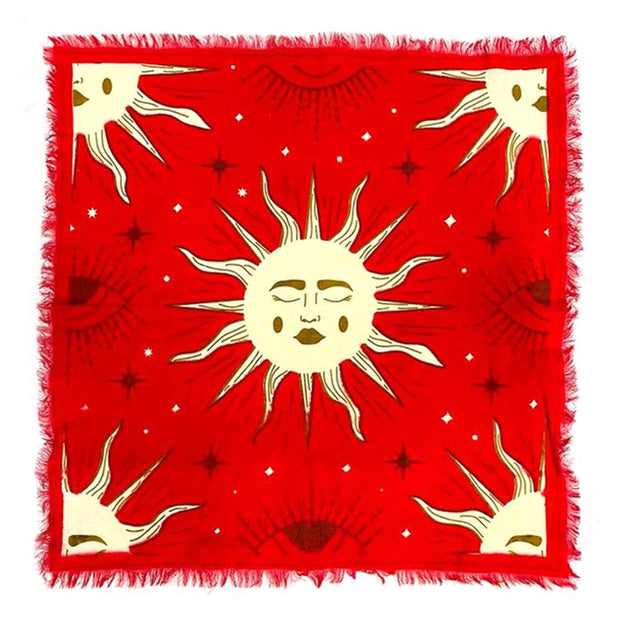
Explore the products selected for this guide. Review each listing for what is included and how to use it.



Leave a comment