


Do You Need a Patron Deity? Devotion, Signs, Boundaries, and Choosing Your Own Path

No, you do not need a patron deity to be Pagan, practice witchcraft, maintain an altar, celebrate seasonal festivals, or develop a meaningful spiritual life. The idea that every practitioner must discover “their god” is common online, but it does not represent every historical tradition or modern path.
You may develop devotion to one deity, honor several gods, work with none, focus on ancestors or spirits, or remain uncertain. A patron relationship is one possible form of religious commitment—not an entrance requirement.
What Does “Patron Deity” Mean?
The term is used loosely in modern spiritual communities. It may refer to:
- A deity honored as the central focus of personal devotion.
- A god associated with a profession, city, household, family, or community.
- A deity believed to guide or protect a person over time.
- A figure whose myths and values strongly shape someone’s practice.
- A temporary devotional focus rather than a lifelong bond.
Because traditions define relationships differently, ask what the speaker means rather than assuming every “patron” relationship works the same way.
Patron, Matron, Tutelary, and Devotional Deity
Patron and matron are often used as gendered labels, although many practitioners now use “patron” for any deity. Tutelary means a protecting or guiding power connected with a person or place. A devotional deity is simply a deity someone chooses to honor consistently.
These labels can overlap, but none creates a universal rank. Use the vocabulary of the specific religion or reconstructionist tradition when one exists.
Do Deities Choose People?
Some practitioners believe deities initiate contact through dreams, omens, recurring symbols, strong attraction, divination, or life events. Others begin devotion because they have studied a tradition and freely choose to honor a deity. Both models exist.
A repeated symbol is not automatic proof of a divine claim. Research ordinary explanations, study the deity’s historical context, and use the discernment process in Signs, Omens & Deity Communication.
You Are Allowed to Initiate Respectfully
You do not have to wait for a cinematic sign. In many religions, people honored gods because of household, civic, occupational, agricultural, or cultural relationships—not because each person received a private supernatural summons.
You can begin with study, a simple prayer, a traditional offering, and a limited period of devotion. State your intention clearly and observe how the practice affects your life. Respect does not require immediate vows.
How to Explore a Deity Without Making a Lifelong Commitment
- Study reliable sources. Learn the deity’s culture, myths, names, cult titles, festivals, and historical forms of worship.
- Identify the tradition. A deity is more than a list of colors, crystals, and social-media correspondences.
- Begin simply. Offer water, food, incense where appropriate, poetry, music, or an act of service.
- Set a trial period. Practice for a month or a season before making promises.
- Keep a record. Note prayers, dreams, emotions, research, and practical changes.
- Review freely. Decide whether to continue, change the relationship, or stop.
What Counts as an Offering?
Offerings depend on the deity and tradition. Common forms include water, wine, bread, grain, fruit, incense, flowers, oil lamps, hymns, crafted objects, charitable acts, and maintaining a clean sacred space. Research historical and community-specific practice rather than assuming every deity wants the same modern items.
Do not offer toxic substances outdoors, leave food that harms wildlife, or use fire where it is unsafe. Respect for a deity does not require environmental damage.
Can You Honor More Than One Deity?
Yes. Polytheistic religions commonly involve multiple gods. You may have a primary devotional relationship while still honoring household, regional, ancestral, or festival deities. Read our overview of Polytheism in Paganism for a broader framework.
Mixing pantheons is handled differently across communities. Some eclectic practitioners combine traditions, while reconstructionist paths preserve distinct ritual systems. Study each culture and avoid treating deities as interchangeable aesthetic themes.
Can You Say No to a Deity?
Many practitioners believe consent and boundaries remain important in devotional life. You may decline a vow, postpone a practice, or state that you are not prepared. Fear that a deity will destroy your life unless you buy specific objects or obey an online reader is not a healthy basis for devotion.
If an experience feels coercive, destabilizing, or impossible to question, pause ritual, restore sleep and ordinary routines, and seek trusted spiritual and professional support as appropriate.
Do You Need an Altar?
No. An altar can focus devotion, but prayer, study, ethical action, festival observance, and simple offerings can be performed without permanent furniture. When you do want one, see How to Build a Deity Altar.
What if You Feel Nothing?
Devotion is not always dramatic. Many religious practices are built through routine rather than visions. A lack of sensations, signs, or dreams does not prove rejection. Ask whether the practice cultivates respect, knowledge, community, and a life consistent with the values you associate with the deity.
Can a Patron Relationship End?
Beliefs differ. Some vows are understood as lifelong; other relationships are temporary. Before making an oath, learn what it means in that tradition. If you have made no binding vow, you can usually close a devotional period respectfully by giving thanks, making a final offering, cleaning the altar, and stating that the regular practice is ending.
When serious vows are involved, consult knowledgeable members of the relevant tradition rather than relying on generic social-media advice.
Alternatives to Patron-Deity Work
- Honor ancestors or beloved dead.
- Develop a household-spirit practice.
- Study land, place, and seasonal traditions.
- Follow a non-theistic Pagan or witchcraft path.
- Work with virtues, myths, or archetypes without claiming literal contact.
- Practice meditation, ritual, divination, or folk magic without deity devotion.
Frequently Asked Questions
Does being drawn to a deity mean they chose me?
It may be spiritually meaningful, psychologically meaningful, or both. Attraction is enough reason to study; it is not proof that you owe a commitment.
Can a tarot reading identify my patron?
Tarot can help you explore associations and questions, but one reading should not impose a religious identity. Verify historical correspondences and make your own decision.
Will a deity be angry if I cannot afford offerings?
Devotion should not create financial hardship. Water, prayer, cleaning, study, art, and ethical action can be meaningful offerings. Be cautious of anyone claiming you must purchase expensive items to prevent punishment.
Can witches be atheists?
Yes. Witchcraft can be practiced as religion, folk tradition, symbolic ritual, personal spirituality, or non-theistic craft, depending on the practitioner.
Relationship, Not Requirement
A patron deity may become a profound center of devotion, but spiritual depth is not measured by how dramatic your divine contact appears. Study carefully, begin without fear, make promises slowly, and remember that choosing no deity is also a legitimate path.
Build a Devotional Space Slowly
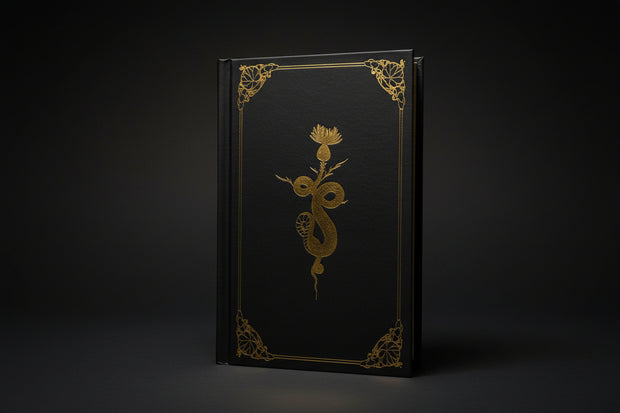
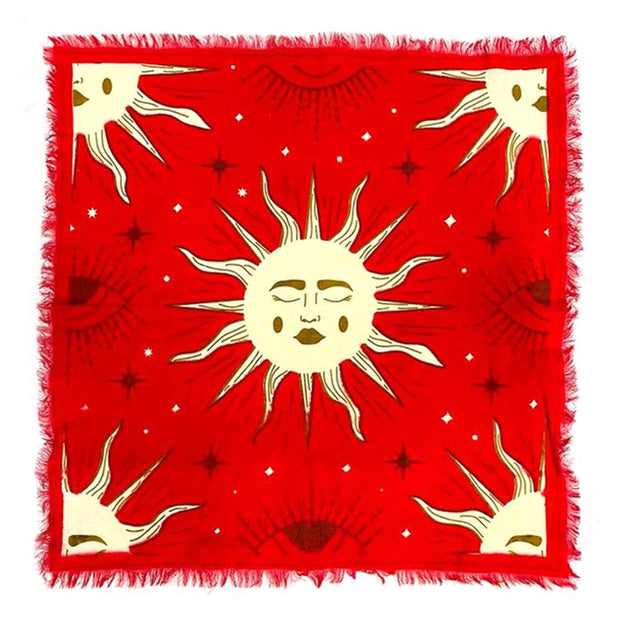
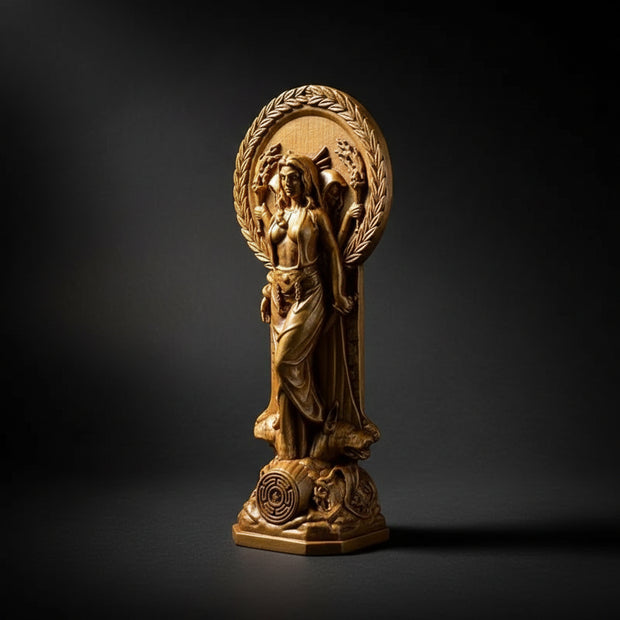
For public-facing devotional objects, explore our Deity Statues, Idols & Talismans collection and Altar Supplies. A statue or altar tool can support chosen devotion; it does not prove divine selection or create an obligation to make vows.
Tools for this practice
Explore the products selected for this guide. Review each listing for what is included and how to use it.

Shop this guide · 4 items Collapse



Keep exploring the shop
You made it to the end of the guide. Keep exploring through related products, major departments, or the full catalog.
 RELATED TO THIS GUIDE
Ritual Supplies & Altar Tools
Shop this topic
RELATED TO THIS GUIDE
Ritual Supplies & Altar Tools
Shop this topic


Leave a comment