


Polytheism in Paganism: The Many Gods, Goddesses, and Sacred Traditions That Shape the Craft

Polytheism is the belief in or worship of multiple gods. Within modern Paganism, those gods may be understood as independent beings, culturally specific deities, archetypes, expressions of a greater divine reality, or some combination of these views.
What Polytheism Means in Paganism
Polytheism allows for many divine relationships rather than one universal theology. Some practitioners believe each deity has a distinct identity and agency. Others understand gods as related aspects of nature, culture, psychology, or a larger sacred whole.
Polytheism, Pantheism, and Animism
- Polytheism: Belief in or worship of many gods
- Soft polytheism: Gods may be understood as aspects of a greater unity
- Pantheism: Divinity is understood as present throughout reality or nature
- Animism: Persons or spirits may be recognized in animals, plants, places, objects, and natural forces
Many modern Pagans combine more than one of these worldviews.
Polytheism Across Pagan Traditions
Norse and Germanic Traditions
Modern Heathens may honor Odin, Thor, Freyja, Freyr, Frigg, Loki, ancestors, and land spirits within culturally specific devotional frameworks.
Celtic Traditions
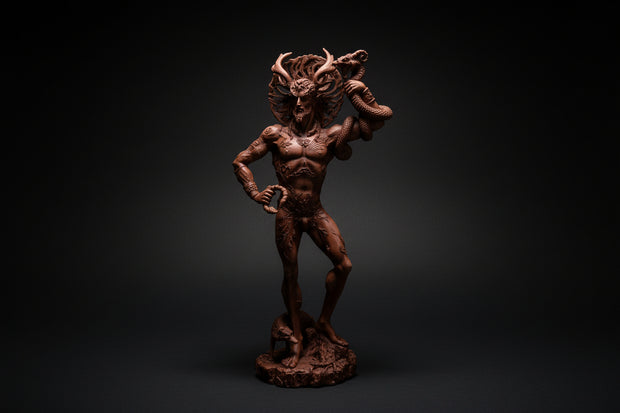
Celtic reconstructionists and modern Druids may honor deities such as Brigid, Lugh, the Morrígan, or Cernunnos while studying the particular region and sources connected with each figure.
Hellenic Polytheism
Hellenic practitioners honor Greek gods such as Zeus, Athena, Apollo, Artemis, Hermes, Hestia, Dionysos, and many others through prayer, offerings, festivals, and household worship.
Kemetic Religion
Kemetic practitioners honor Egyptian deities, or Netjeru, such as Aset, Anpu, Wesir, Hathor, Ra, Bastet, and Sekhmet.
Wiccan and Eclectic Traditions
Some Wiccans work with a Goddess and God, while others honor multiple named deities or combine polytheism with pantheism or animism.
How Modern Pagans Honor Their Gods
- Prayer, hymns, meditation, and devotional reading
- Home altars or temporary shrines
- Food, drink, incense, flowers, art, or acts of service as offerings
- Festival observance and seasonal ritual
- Study of mythology, historical sources, language, and cultural context
- Journaling and careful discernment around dreams, signs, or divination
Building a Simple Deity Shrine
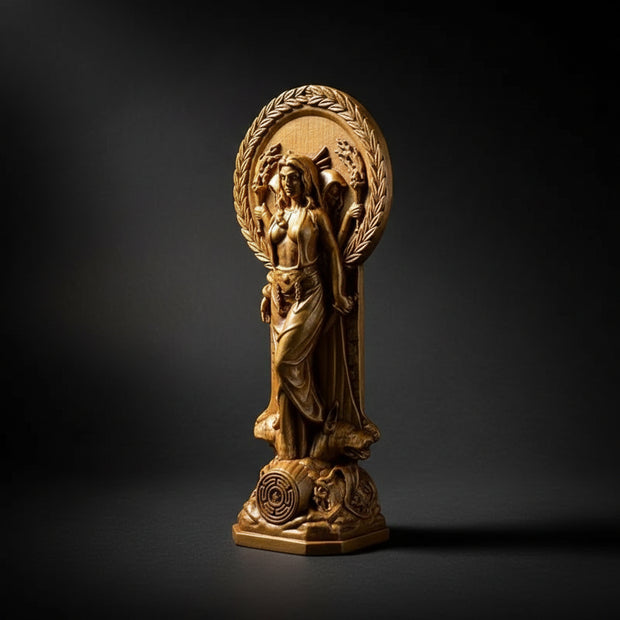
A beginner shrine may include a deity image or written name, a clean offering bowl, a candle or LED light, and a journal. It does not need to be large or expensive.
Choosing Appropriate Offerings
Offerings should fit the tradition, the deity, your circumstances, and responsible disposal practices. Water, bread, flowers, music, poetry, and charitable acts can all be meaningful.
How to Begin a Polytheist Practice
- Choose one pantheon, culture, or deity for focused study.
- Read historical sources alongside modern practitioner material.
- Begin with a simple greeting, prayer, or offering.
- Keep records of sources, rituals, and personal experiences.
- Distinguish personal interpretation from historical evidence.
- Allow relationships and beliefs to develop over time.
Frequently Asked Questions
Can Pagans honor gods from different pantheons?
Many do, but respectful practice requires learning each deity’s cultural and religious context rather than treating every tradition as interchangeable.
Do Pagan gods require physical offerings?
No universal rule applies. Prayer, study, art, service, and symbolic acts may be used when food or objects are not appropriate.
What happens if you stop honoring a deity?
A practitioner can close or change a devotional practice respectfully through gratitude, clear intention, and removal or repurposing of the shrine.
Related Reading
Tools for this practice
Explore the products selected for this guide. Review each listing for what is included and how to use it.
Shop this guide · 3 items Collapse


Keep exploring the shop
You made it to the end of the guide. Keep exploring through related products, major departments, or the full catalog.
 RELATED TO THIS GUIDE
Ritual Supplies & Altar Tools
Shop this topic
RELATED TO THIS GUIDE
Ritual Supplies & Altar Tools
Shop this topic


Leave a comment