


Herbalism vs. Herbal Witchcraft: Medicine, Symbolism, Safety, and Responsible Practice

Herbalism and herbal witchcraft both work with plants, but they do not make the same claims or require the same training. Confusing them can create more than a vocabulary problem. It can lead people to treat symbolic correspondences as medical evidence, ingest plants without understanding risk, or assume that “natural” automatically means safe.
This guide separates medicinal use from magical use while showing where the two can responsibly coexist. It is educational, not medical advice, and it does not replace care from a qualified healthcare professional.
What Is Herbalism?
Herbalism is the study and use of plants for health-related purposes. Depending on the person and setting, it may involve traditional knowledge, home remedies, formal clinical training, pharmacognosy, nutrition, or complementary care.
Medicinal questions require evidence beyond folklore or magical correspondence. Relevant factors include:
- Correct botanical identification.
- Plant part used.
- Preparation and concentration.
- Dose and duration.
- Route of use.
- Age, pregnancy, allergies, and health conditions.
- Medication and supplement interactions.
- Product contamination or adulteration.
The same plant may be harmless as a scent, irritating on skin, dangerous in concentrated oil, and inappropriate to ingest. “Used traditionally” is useful historical information, but it is not a complete safety evaluation.
What Is Herbal Witchcraft?
Herbal witchcraft uses plants within ritual, symbolism, devotion, divination, protection, offerings, spellcraft, seasonal practice, and relationship with place. A practitioner might choose rosemary for remembrance, basil for prosperity, rose for affection, or mugwort for dream symbolism.
These correspondences are cultural, historical, personal, and tradition-dependent. They do not prove that a plant treats disease or produces guaranteed supernatural results.
Many magical uses do not require ingestion at all. Herbs can be:
- Placed on an altar.
- Added to a sealed spell jar.
- Used in sachets or charm bags.
- Arranged in a symbolic pattern.
- Written or drawn rather than physically handled.
- Used as a non-burning offering.
- Studied through folklore and botanical observation.
Where Herbalism and Herbal Witchcraft Overlap
Both may value careful plant identification, seasonal awareness, sustainable sourcing, sensory knowledge, cultivation, and respect for traditional knowledge. A practitioner may keep one journal for botanical facts and another for magical experience—or use a structured system that clearly labels each type of claim.
The overlap becomes irresponsible when a magical association is presented as medical proof. “Lavender symbolizes peace” is different from “lavender will safely treat your anxiety.” The second statement requires clinical context, product information, dosage, contraindications, and professional judgment.
Natural Does Not Mean Risk-Free
Plants contain biologically active chemicals. Herbs and supplements can interact with prescription drugs, affect anesthesia, alter blood clotting, influence blood pressure or blood sugar, trigger allergies, and create different risks during pregnancy or breastfeeding. Product quality also varies.
The National Center for Complementary and Integrative Health advises consumers to discuss complementary products with healthcare providers and specifically warns that herbs can interact with medicines. See its official resources on complementary-product safety and herb-drug interactions.
Seven Rules for Responsible Plant Practice
1. Use botanical names
Common names can refer to several species. Record the genus, species, plant part, source, and date whenever possible.
2. Separate symbolic notes from medical notes
Label information as folklore, personal experience, historical correspondence, laboratory evidence, clinical evidence, or professional guidance.
3. Research the exact preparation
A tea, tincture, smoke, incense, bath, infused oil, essential oil, and raw plant are not interchangeable.
4. Do not assume external use is safe
Plants can irritate skin, damage eyes, trigger asthma, affect pets, or create photosensitivity. Patch-testing is not a guarantee against allergy.
5. Treat essential oils as concentrated products
They are not equivalent to whole herbs. Do not ingest them casually, apply them undiluted, or diffuse them around vulnerable people or animals without species-specific safety research.
6. Respect medication and surgery risks
Tell healthcare professionals about all herbs and supplements. Do not stop prescribed medication because an herb is described as an alternative.
7. Know when not to experiment
Pregnancy, breastfeeding, childhood, serious illness, liver or kidney disease, complex medication use, and upcoming surgery all justify extra caution and qualified guidance.
Building a Reliable Materia Magica
A useful plant entry can include:
- Botanical and common names.
- Family and identifying features.
- Native range and habitat.
- Plant parts used.
- Toxicity and allergy notes.
- Pet and child precautions.
- Known medication interactions.
- Historical uses with source attribution.
- Magical correspondences by tradition.
- Your own observations, clearly labeled.
- Sourcing and conservation status.
For a full journal method, see How to Build a Materia Magica. For a broader plant-centered spiritual path, read What Is Green Witchcraft?.
Ethics, Sourcing, and Cultural Context
A plant’s popularity can affect wild populations and Indigenous access. Buy from transparent suppliers, cultivate common species when possible, follow local laws, and avoid harvesting from protected land. Do not assume a commercial bundle grants access to a ceremony, cultural identity, or community-specific tradition.
Ask where a correspondence came from. Medieval European herbals, Appalachian household practice, Ayurveda, Traditional Chinese Medicine, Indigenous plant knowledge, modern occult books, and social-media lists are not interchangeable sources.
Safe Magical Alternatives to Ingestion
When uncertainty exists, symbolism can remain fully meaningful without consuming the plant. Try:
- A printed botanical image.
- A written plant name or sigil.
- A photograph from your own garden.
- A sealed container kept away from children and pets.
- A color, stone, or candle substitute.
- A spoken offering or gratitude practice.
Substitution is not weaker practice. It is often more thoughtful practice.
Frequently Asked Questions
Does a magical herb need to be edible?
No. Many plants used symbolically are not appropriate for consumption. Magical use and food safety are separate questions.
Can I make a tea from any herb sold in an occult shop?
No. Retail placement does not establish identity, purity, dose, or suitability for ingestion. Only use products specifically prepared and labeled for the intended use, and research personal contraindications.
Are traditional remedies evidence?
They are evidence of cultural and historical use. They can inspire research, but they do not by themselves establish modern clinical effectiveness or safety.
Can herbs replace medication?
Do not replace or stop medication without discussing it with the prescribing healthcare professional. Herbs may interact with treatment or delay necessary care.
Is herbal witchcraft the same as green witchcraft?
They overlap, but green witchcraft may also include ecology, land relationship, gardening, seasonal cycles, and environmental ethics beyond specific herbal workings.
Final Perspective
Herbalism asks health-related questions about plants. Herbal witchcraft asks symbolic, ritual, relational, and spiritual questions. Both deserve careful study, but they use different standards of evidence. Keeping those standards visible protects the practitioner, respects the plant, and creates a practice that is both meaningful and responsible.
Study Plants Before Using Them
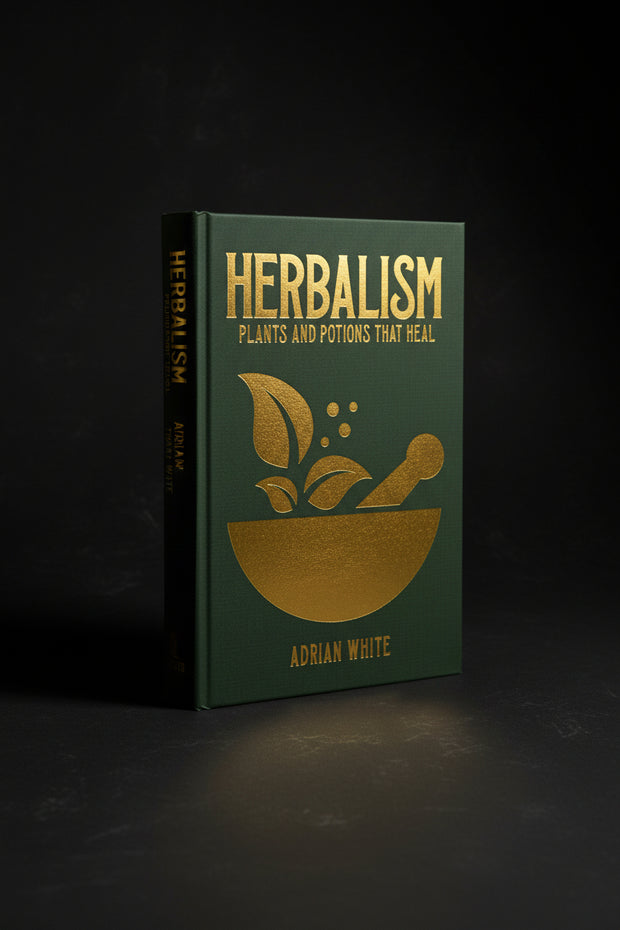
Build botanical literacy with Herbalism: Arcturus Hidden Knowledge and explore clearly labeled ritual materials in our Ritual Herbs collection. Retail herbs are for their stated use only and should never be assumed safe to ingest or substitute for medical care.
Tools for this practice
Explore the products selected for this guide. Review each listing for what is included and how to use it.
Shop this guide · 1 item Collapse

Keep exploring the shop
You made it to the end of the guide. Keep exploring through related products, major departments, or the full catalog.


Leave a comment