


What Is Green Witchcraft? Plants, Seasonal Practice, Ethics, and Getting Started

Green witchcraft is a nature-centered approach to witchcraft built through attention, relationship, and responsible participation in the living world. Plants are often central, but the practice can also include weather, soil, wildlife, seasonal change, local landscapes, household gardens, and the ecological systems that connect them.
A green witch does not need a large garden, rural land, expensive supplies, or expert knowledge on the first day. The most important beginning is learning to observe what is already present, studying it carefully, and allowing practical responsibility to shape spiritual practice.
This guide explains what green witchcraft is, how it differs from related paths, how to begin safely, and how to build a meaningful practice even in an apartment, city, rented home, or space with limited outdoor access.
What Is Green Witchcraft?
Green witchcraft is a modern, flexible label for witchcraft that places plants, ecology, natural cycles, and relationship with place near the center of practice. It is not one organized religion, and it does not have a universal doctrine, initiation, sacred text, or required set of rituals.
Some green witches are Pagan or Wiccan. Others practice folk magic, animism, secular witchcraft, devotional polytheism, or an entirely personal form of nature spirituality. The label describes the center of the practice more than it identifies a fixed belief system.
Common green-witch practices include:
- Learning the plants, trees, fungi, animals, weather, and seasonal patterns of a local area
- Growing and tending plants indoors or outdoors
- Studying botanical folklore and modern magical correspondences
- Creating seasonal altars and rituals
- Keeping a garden, nature, or plant journal
- Working with safely sourced leaves, flowers, seeds, bark, soil, or stones
- Practicing gratitude, reciprocity, conservation, or community care
- Building rituals around growth, dormancy, harvest, decay, renewal, and adaptation
Green witchcraft is not simply collecting herbs and assigning each one a magical keyword. Its deeper work is learning how living things actually grow, what they need, what threatens them, and how the practitioner participates in the same environment.
The Five Foundations of Green Witchcraft
1. Observation Before Interpretation
A useful green-witch practice begins by noticing what is happening before deciding what it means. Which plants appear first in spring? Where does water collect after rain? Which tree holds its leaves longest? What insects visit a particular flower? What changes when the weather becomes dry?
Observation keeps the practice grounded. It also prevents a practitioner from forcing every plant or natural event into a prewritten symbolic system.
Try returning to one location regularly and recording the temperature, light, plant growth, animal activity, and any visible change. This may be a backyard, balcony, public park, street tree, community garden, or view from a window.
2. Relationship With Local Place
Books often repeat correspondences for famous herbs, but green witchcraft becomes more personal when it includes the species and seasons that actually surround the practitioner.
A plant common in one region may be rare, invasive, protected, or completely absent in another. Imported festival imagery may not match local weather. A responsible practice therefore asks:
- What grows here naturally?
- What has been introduced?
- Which species are protected or threatened?
- Which plants support local pollinators and wildlife?
- What are the actual seasons of this place?
Working locally does not mean rejecting all traditions from elsewhere. It means learning enough about the present environment to avoid treating nature as generic scenery.
3. Reciprocity
Green witchcraft should involve more than taking materials. Reciprocity means returning care to the systems that support the practice.
This may include watering a neglected plant, removing litter, planting an appropriate native species, supporting a community garden, composting suitable material, reducing unnecessary harvesting, donating to habitat work, or simply leaving a healthy plant undisturbed.
A ritual offering should not become pollution. Bread, salt, wax, ribbons, glitter, glass, coins, essential oils, and foreign plant material can harm wildlife or remain in the environment. Sometimes the most respectful offering is water given to a suitable cultivated plant, time spent restoring a space, or a promise followed by practical action.
4. Seasonal Awareness
Seasonal practice does not require following a single ritual calendar. A green witch may observe the modern Pagan Wheel of the Year, local agricultural seasons, lunar cycles, first frost, rainfall, migrations, flowering times, harvest periods, or personal household rhythms.
Our Wheel of the Year guide explains the eight Sabbats commonly used in modern Paganism. Those festivals can provide structure, but local conditions still matter. A spring festival may arrive while snow remains on the ground, and a harvest date may not match what local gardens are producing.
The goal is not to make the environment obey a calendar. It is to notice how the calendar and the living season meet—or fail to meet—where you live.
5. Recordkeeping
Green witchcraft benefits from records because memory quickly blends observation, expectation, and folklore. A notebook can separate what you personally witnessed from what a book or tradition says.
Useful entries include:
- Common and botanical plant names
- Date and location observed
- Weather, soil, light, and moisture
- Flowering, fruiting, dormancy, or decay
- Known physical hazards
- Documented folklore and its source
- Modern magical correspondences
- Your own ritual use and result
- Questions that still require research
For a structured approach, use our guide to building a materia magica.
Green Witchcraft Compared With Related Paths
Green Witchcraft and Herbal Witchcraft
Herbal witchcraft concentrates on the symbolic and ritual uses of herbs. Green witchcraft may include herbal magic, but its scope is broader: ecology, living plants, gardens, seasonal observation, land relationship, and environmental responsibility.
A person can practice herbal witchcraft primarily with carefully sourced dried plants. A green witch may spend more time observing a tree, tending soil, or recording rainfall than preparing an herb blend.
Green Witchcraft and Kitchen Witchcraft
Kitchen witchcraft centers on cooking, nourishment, hospitality, household routine, and the symbolic use of food. Green and kitchen witchcraft overlap when someone grows culinary herbs, cooks seasonally, preserves a harvest, or studies the journey from soil to table.
Green Witchcraft and Hedge Witchcraft
Hedge witchcraft commonly emphasizes thresholds, trance, spirit work, dreamwork, household protection, and folklore. Plants may be important in hedge practice, but they are not always its central focus.
Our guide to hedge, green, and kitchen witchcraft compares these overlapping labels in greater detail.
Green Witchcraft and Wicca
Wicca is a modern Pagan religion with recognizable ritual forms, theological ideas, and traditions. Green witchcraft is not automatically Wiccan. A Wiccan may have a strongly green practice, while a green witch may not identify as Wiccan or religious at all.
Can You Practice Green Witchcraft Without a Garden?
Yes. A garden is one possible setting, not an entry requirement.
Apartment and city practices can include:
- Tending one suitable windowsill plant
- Observing street trees through the seasons
- Tracking sunrise, sunset, rain, temperature, or cloud patterns
- Learning common urban plants without harvesting them
- Visiting a public garden, conservatory, park, or farmers market
- Keeping botanical illustrations or photographs
- Studying where food, herbs, wood, paper, and natural fibers come from
- Supporting a community garden or local environmental project
- Creating a reusable seasonal altar with drawings, fabric, and safely obtained objects
People with disabilities, chronic illness, allergies, limited mobility, or sensory limitations can adapt the practice around what is safe and sustainable. Nature relationship does not require hiking, kneeling in soil, handling plants, or tolerating outdoor heat and cold.
Observation from a window, listening to recorded local bird calls, using accessible garden beds, studying photographs, tending a low-maintenance plant, or keeping a weather journal are all valid forms of engagement.
How Green Witches Work With Plants
A plant can be approached through several separate layers:
- Botanical identity: What species is it, and how can it be distinguished from look-alikes?
- Ecology: Where does it grow, what supports it, and what role does it play?
- Physical use: Is it culinary, medicinal, toxic, irritating, invasive, protected, or unsafe for pets?
- Historical folklore: What stories or customs are documented, and from which people, place, and period?
- Modern correspondence: How do contemporary practitioners symbolically use it?
- Personal relationship: What have you actually observed through responsible interaction?
These layers should not be collapsed into one claim. A plant associated symbolically with healing is not automatically safe medicine. A traditional use recorded in folklore is not proof of effectiveness or permission for casual ingestion.
For basic symbolic information, see Herbal Magic 101. Keep botanical identification and safety research separate from magical correspondence.
Ethical Foraging and Sourcing
Wild harvesting is optional. Purchased, cultivated, fallen, reclaimed, photographed, or illustrated materials are often safer and more responsible.
Before collecting anything outdoors:
- Know who owns or manages the land.
- Check local collection laws and park rules.
- Identify the species with reliable sources.
- Learn whether it is rare, protected, threatened, or culturally sensitive.
- Understand which plant part can be removed without killing it.
- Consider contamination from roads, pesticides, animals, floodwater, or industrial sites.
- Take nothing when identification or ecological impact is uncertain.
Do not assume that taking only a small amount is always harmless. Repeated small harvests by many people can damage a population. Roots, bark, bulbs, and whole plants are especially consequential because removing them may injure or kill the organism.
Never move seeds, soil, fungi, insects, or plant material into a new habitat without understanding the ecological risk. A plant considered sacred or useful can still become invasive.
Our guide to herb lore, ethical foraging, and safer practice provides a fuller checklist.
Plant and Herbal Safety
Natural does not mean harmless. Plants can be poisonous, irritating, allergenic, psychoactive, contaminated, or dangerous to children and animals. Smoke from ordinary herbs can also irritate lungs and create risks for people with asthma, migraines, or other sensitivities.
Follow these basic rules:
- Do not ingest, smoke, vape, burn, bathe with, or apply a plant based only on magical correspondence.
- Do not use a plant unless its identity is reliable.
- Keep ritual-only plants separate from food, tea, and medicine.
- Label stored material with the name, source, and date.
- Check risks involving medications, pregnancy, allergies, children, and pets.
- Discard anything damp, moldy, infested, unidentified, or mislabeled.
- Do not use poisonous plants to force trance, visions, dreams, or spirit contact.
- Seek qualified medical or poison-control guidance after suspected exposure.
Green witchcraft can be practiced entirely through observation, art, symbolism, gardening, journaling, and non-contact ritual. Risky exposure is not a sign of seriousness or spiritual commitment.
Basic Tools for a Green-Witch Practice
You do not need to purchase a specialized kit. Begin with tools that improve knowledge and care:
- A notebook or digital journal
- A reliable regional field guide
- A calendar for seasonal records
- Plant labels and a waterproof marker
- Gloves appropriate to the task
- Clean containers for clearly identified material
- A phone or camera for observation without harvesting
- Ordinary garden tools, when needed
An altar is optional. If you create one, keep it simple: a cloth, safe light, plant image or cultivated specimen, a small bowl of water, and a journal can be enough. Avoid placing dry leaves, flowers, paper, or wood near flame.
Building a Small Green-Witch Altar
A green-witch altar can support plant study and seasonal observation without becoming a collection of loose or unidentified material. Use a tray beneath living plants, keep water away from paper, and store dried herbs in their original labeled containers.
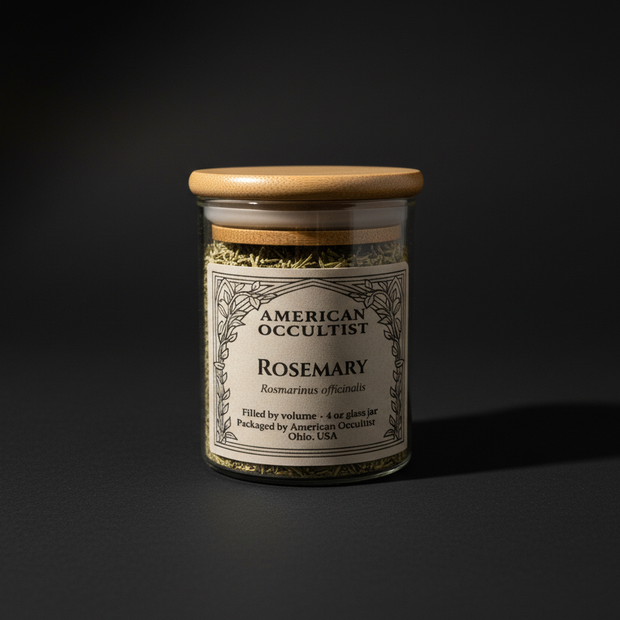
- A rosemary herb jar or lemongrass herb jar can support correspondence study when the label and source remain attached.
- Western red cedar tips may be studied as dried plant material without assuming they are safe to ingest, burn, bathe with, or apply to skin.
- A plain cast-iron cauldron can hold dry symbolic objects or seed packets; do not assume a ritual vessel is food-safe or suitable for indoor burning.
Place living plants according to their actual light, temperature, and water needs rather than a symbolic compass direction. Keep candles, incense, and hot tools away from leaves, soil, dried herbs, and hanging growth.
A Sustainable Rhythm of Practice
Daily
Spend one or two minutes noticing light, weather, temperature, or the condition of a plant. Water only when the plant actually needs it rather than turning overwatering into a ritual habit.
Weekly
Record one change, learn one fact, or complete one act of care. This might mean rotating a houseplant, cleaning a reusable altar vessel, checking for pests, or reading about a local species.
Monthly
Review your notes. Separate confirmed observations from assumptions. Update safety information and remove any unlabeled material.
Seasonally
Mark a change that is real where you live: first flower, first harvest, migration, heavy rain, leaf color, frost, dormancy, or return of a familiar species. Build the ritual around that event rather than an image copied from another climate.
A 30-Day Green Witchcraft Beginner Plan
Week 1: Learn to Observe
- Choose one accessible observation place.
- Visit or view it at least three times.
- Record light, weather, plants, animals, and visible changes.
- Do not harvest anything.
Week 2: Study One Plant
- Choose a clearly identified cultivated or common local plant.
- Record its common and botanical names.
- Learn its care needs, habitat, physical risks, and ecological role.
- Research one documented piece of folklore and one modern correspondence.
- Keep those categories clearly separated.
Week 3: Practice Reciprocity
- Complete one practical act that benefits your environment.
- Remove litter safely, support a garden, reduce unnecessary waste, or care for a plant.
- Record what the action actually accomplished.
Week 4: Create a Simple Ritual
Place your journal, a safe light, and an image or responsibly obtained symbol of the plant before you. Review what you learned. State one commitment based on care rather than control.
I will learn before I take, observe before I assume, and return care for what sustains me.
Close by writing one practice you can continue for the next season. The goal is not to complete every possible green-witch activity in thirty days. It is to establish one reliable relationship and one repeatable habit.
Common Myths About Green Witchcraft
You Must Live in the Country
Cities contain weather, waterways, soil, insects, birds, trees, cultivated plants, disturbed ecosystems, and changing seasons. Urban ecology is still ecology.
You Must Own Many Herbs
A cabinet full of unlabeled plants is less useful than careful knowledge of one species. Collection is not the same as relationship.
Every Plant Has One Universal Meaning
Correspondences vary by culture, period, author, tradition, region, and personal experience. No single chart can replace context.
Green Witchcraft Is an Unchanged Ancient Religion
People have practiced plant lore, seasonal ritual, folk medicine, agriculture, and nature devotion for a very long time. However, “green witchcraft” as a single modern identity should not be presented as one intact ancient religion with a universal historical lineage.
A Green Witch Must Be Environmentally Perfect
No practitioner lives without impact. The goal is informed responsibility, realistic improvement, and honest limits—not purity, guilt, or performance.
Knowing Magical Herbs Makes Someone an Herbalist
Magical correspondence study does not provide medical training, botanical expertise, or clinical qualification. Respect the boundaries between spiritual practice, gardening, herbalism, and healthcare.
Frequently Asked Questions
Is Green Witchcraft a Religion?
Not by itself. It is a flexible practice label that can be religious, spiritual, magical, secular, or combined with another tradition.
Do Green Witches Worship Nature?
Some do, while others honor deities, work with spirits, practice animism, or understand nature symbolically. There is no single required theology.
What Plant Should a Beginner Start With?
Begin with a clearly identified plant that is common, legal, accessible, and safe to observe. A familiar culinary herb or established houseplant is often more practical than an exotic or poisonous species.
Do I Need to Forage?
No. Observation, gardening, photography, illustration, purchased materials, and community service can all support a complete practice.
Can Green Witchcraft Be Practiced Indoors?
Yes. Houseplants, weather tracking, seasonal journaling, botanical study, food-source awareness, and reusable altar work are all suitable indoor practices.
What Is the Best First Green-Witch Ritual?
Choose one plant or local place, learn about it, perform one act of care, and record what changed. A practice built on attention and responsibility is a stronger beginning than an elaborate spell assembled from unfamiliar ingredients.
Beginning With the Living World You Already Have
Green witchcraft does not begin with owning more natural objects. It begins with noticing the living relationships already around you.
Learn one plant carefully. Watch one place through change. Keep records. Respect physical safety and ecological limits. Take less than you first imagine you need, and return care in a form that genuinely helps.
From that foundation, seasonal ritual, plant symbolism, gardening, altar work, and magical practice can develop with greater depth. The green path is not a race to collect correspondences. It is the patient work of learning how to belong responsibly within a living place.
Related Reading
Tools for this practice
Explore the products selected for this guide. Review each listing for what is included and how to use it.

Shop this guide · 2 items Collapse


Keep exploring the shop
You made it to the end of the guide. Keep exploring through related products, major departments, or the full catalog.
 RELATED TO THIS GUIDE
Ritual Herbs
Shop this topic
RELATED TO THIS GUIDE
Ritual Herbs
Shop this topic


Leave a comment