


How to Choose a Ritual Candle Holder: Candle Fit, Heat Safety, Wax Cleanup, and Altar Placement

A ritual candle holder has two jobs. It supports the visual and symbolic structure of the altar, and it physically controls a burning object. The second job must come first.
A beautiful holder is not useful when the candle sits loosely, must be forced into the opening, tips as the wax softens, or allows heat to reach wood, cloth, resin, books, dried herbs, and other altar materials. Choose the holder according to the candle’s actual form before choosing it for color or symbolism.
Identify the Candle Type First
Candle labels are not always standardized, but most ritual candles fall into a few practical forms.
Chime or spell candles
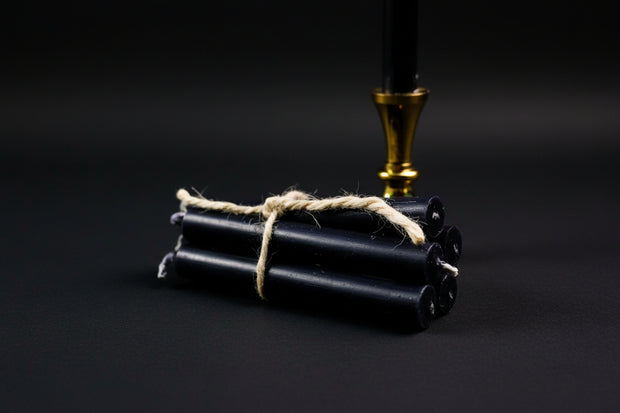
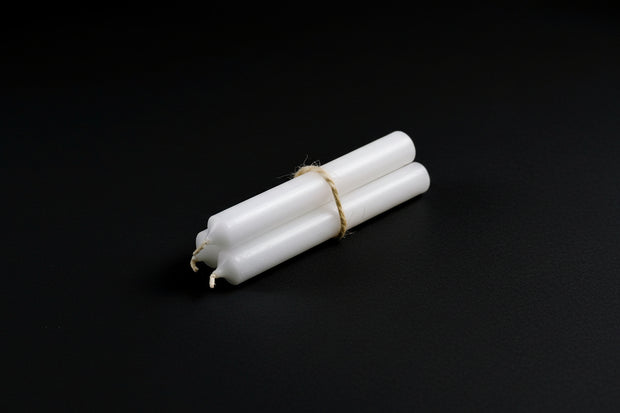
Chime candles are short, narrow candles commonly used for brief ritual work. They require a small socket or cup made for their diameter. A holder that is too wide allows leaning; one that is too narrow can crack the candle when it is forced into place.
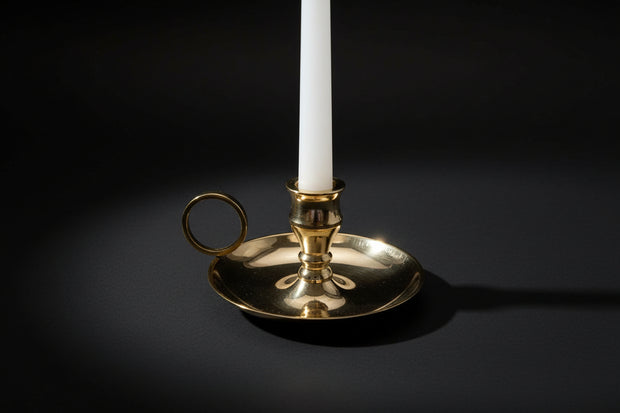
Products such as a ceramic chime candle holder or a small brass chamberstick are designed around compact candles, but the buyer should still compare the actual candle base with the holder opening.
Tapers
Tapers are taller and create greater leverage if bumped. They need a stable holder with enough weight and a properly fitted socket. A broad base or chamberstick design can improve stability and provide a place to catch wax.
Votives and tealights
Votives are generally intended to liquefy within a close-fitting cup. Tealights arrive in their own small cups but still require a heat-safe surface or holder. A decorative open dish may not contain a fully liquefied votive.
Pillars and figure candles
Pillars, skull candles, deity forms, and other freestanding shapes need a level, heat-resistant plate wider than the candle. The plate should contain wax and remain stable as the candle’s shape changes.
Container candles
A candle poured into glass or metal already has a container, but it still belongs on a heat-resistant surface. The outer vessel can become hot, and a cracked, damaged, or unsuitable container should not be burned.
For a broader explanation of these forms, read Candle Types in Witchcraft.
Fit Matters More Than the Name on the Listing
“Chime,” “spell,” and “taper” can describe products with slightly different diameters. Before buying a holder, compare the listed opening with the candle base whenever measurements are available.
A safe fit should:
- Hold the candle upright without visible leaning
- Support it without splitting, shaving, or crushing the wax
- Allow the candle to be removed without excessive force
- Remain stable after the candle begins to soften
Do not melt the base and drip wax into an unsuitable holder as a substitute for proper fit. A small amount of wax is sometimes used to stabilize a candle on a suitable plate, but it should not be relied upon to correct a dangerously loose socket or top-heavy setup.
Choose a Stable Shape
Stability depends on base width, weight distribution, surface contact, candle height, and the position of the flame. A tall taper in a lightweight narrow holder is easier to overturn than a short candle in a broad, weighted base.
Test the empty holder on the exact altar or table where it will be used. It should not rock on carved feet, seams, grout lines, uneven wood, or folded cloth. Add the unlit candle and gently check whether ordinary movement near the table causes swaying.
Pairs such as pentagram candle holders can visually balance an altar, but each holder still needs its own stable clearance. Symmetry should never place flames too close to a central statue, hanging cloth, dried botanicals, or framed art.
Material and Heat Resistance
Metal
Metal holders are durable and noncombustible, but metal conducts heat. The base can become hot enough to affect the surface beneath it. Use a heat-resistant barrier when needed and allow the holder to cool before moving it.
Ceramic and stoneware
Properly manufactured ceramic holders can isolate heat well, but cracks, chips, unstable glazing, and sudden temperature changes can weaken them. Do not use decorative ceramic pieces as candle holders unless they were made for that purpose.
Glass
Use only glass intended for candle heat. Thin decorative glass, drinking glasses, jars of unknown composition, and vessels with cracks or impact damage are not safe substitutes.
Wood, resin, and mixed-material décor
These materials may appear in the base or surrounding decoration of a holder. Confirm that the flame and hot wax remain isolated from combustible or heat-sensitive sections. Resin statues, wooden trays, and altar shelves should never serve as improvised candle plates.
Wax Containment
A good holder anticipates what happens after the candle begins burning. Tapers can drip. Votives can liquefy. Figure candles may release wax unpredictably as narrow sections collapse.
Look for:
- A cup or socket deep enough to support the candle
- A drip tray wider than the expected wax path
- Raised edges for candles likely to produce liquid wax
- A surface without openings that direct wax onto furniture
- Enough room to remove cooled wax without damaging fine details
Do not allow pooled wax to bury a flame, block air in a way the candle was not designed for, or overflow toward combustible materials.
Safe Altar Placement
The U.S. Fire Administration recommends placing candles in stable holders where they cannot be knocked down, keeping them at least 12 inches from anything that can burn, and extinguishing them whenever you leave the room or go to sleep. Review the current U.S. Fire Administration candle guidance.
On a working altar:
- Keep flames away from altar cloth edges, curtains, paper, herbs, feathers, artwork, shelves, and hair.
- Do not place a candle beneath an overhanging shelf or inside a closed cabinet.
- Keep the holder beyond the reach of children and animals.
- Avoid crowded arrangements where reaching for one tool passes a sleeve over a flame.
- Do not carry a lit candle from one room to another as part of an improvised setup.
- Keep a suitable method of extinguishing the candle within easy reach.
A ritual layout should be redesigned when it cannot provide safe clearance. Symbolic direction, elemental position, or visual symmetry does not override fire safety.
Symbolism Belongs After Function
Once the holder safely matches the candle, its imagery can support the ritual. Pentacles, ankhs, trees, moons, skulls, Baphomet figures, plain brass, black ceramic, and other designs can reinforce a devotional, protective, memorial, seasonal, or aesthetic purpose.
The symbol does not change the holder’s physical limitations. An evil-eye design does not make an unstable holder protective. A pentacle does not make a combustible surface heat-safe. Let the symbolism deepen an already functional choice.
Cleaning Wax From Different Materials
Allow the holder to cool completely before cleaning. Never pour hot wax into a sink or toilet.
Metal holders
Gently lift hardened wax with a non-scratching tool. Avoid aggressive scraping on plated, antiqued, or painted finishes. Follow the maker’s instructions before using heat or cold to loosen wax.
Glazed ceramic and candle-safe glass
Remove large pieces of cooled wax carefully. Sudden temperature changes can crack ceramic or glass, so do not move a hot holder directly into cold water or place an unknown vessel in a freezer.
Detailed resin or mixed materials
Do not expose resin to direct flame, high heat, solvents, or boiling water. Use only the cleaning method recommended for the product. If wax repeatedly reaches resin decoration, the candle may be too large or the holder may be unsuitable for that burn pattern.
Leave a small amount of old wax only when it does not interfere with fit, stability, or the next flame. A heavily wax-filled socket can cause a candle to lean.
Extinguishing the Candle
A candle snuffer can reduce splashing and keeps the face farther from the flame, but it must be used correctly. Blowing can scatter hot wax or embers, particularly around loose herbs and paper. Read Candle Snuffer vs. Blowing Out a Candle for a practical comparison.
After extinguishing, confirm that the wick is no longer glowing and do not move the holder until liquid wax and hot materials have cooled.
Questions to Ask Before Buying
- What candle type and base diameter will I use?
- Does the holder support that candle without force or leaning?
- Is the base stable on my actual altar surface?
- Will the material tolerate the heat produced?
- Where will wax go as the candle burns?
- Can I maintain safe clearance around the flame?
- Can the holder be cleaned without damaging its finish?
- Does the symbolism fit the practice after the safety requirements are met?
Build the Ritual Around a Safe Flame
A ritual candle holder is not merely a pedestal for symbolism. It is part of the fire-control system. Match the candle, test the fit, protect the surface, leave open space, and plan for wax before lighting anything.
Browse Candle Accessories alongside the Candles collection. Choose the pair as one working setup rather than purchasing the candle and holder as unrelated decorations.
Tools for this practice
Explore the products selected for this guide. Review each listing for what is included and how to use it.
Shop this guide · 3 items Collapse

Keep exploring the shop
You made it to the end of the guide. Keep exploring through related products, major departments, or the full catalog.
 RELATED TO THIS GUIDE
Candles & Incense
Shop this topic
RELATED TO THIS GUIDE
Candles & Incense
Shop this topic


Leave a comment