


How to Choose and Use a Mortar and Pestle for Ritual Herbs

A mortar and pestle turns preparation into a deliberate action. It can bruise leaves, crush seeds, break brittle roots, combine dry ingredients, or reduce resin into smaller pieces. The tool is simple, but choosing and using one responsibly requires more than assigning it an element or magical correspondence.
Material, porosity, size, texture, contamination, dust, allergies, and the intended route of use all matter. A mortar used for nonfood ritual powders should not quietly return to kitchen use.
What a Mortar and Pestle Actually Does
The mortar is the bowl. The pestle is the handheld tool used to press, roll, pound, and grind material against its interior.
Different motions produce different results:
- Bruising: gently damages leaves to release scent.
- Crushing: breaks seeds, bark, resin, or brittle roots into smaller pieces.
- Grinding: reduces dry material through pressure and abrasion.
- Blending: distributes several already-prepared ingredients more evenly.
- Pressing: combines a small amount of dry material with oil or another carrier when the tool is compatible.
Grinding does not make an herb safer, stronger, edible, or medically effective. It changes particle size and increases exposed surface area.
Decide the Route of Use First
Before choosing a tool, decide whether the material will be:
- displayed dry;
- placed in a sachet or container;
- burned as incense;
- added to a candle or oil;
- applied to an object;
- used on skin;
- used in food or drink.
These routes are not interchangeable. A plant safe to display may be unsafe to burn, inhale, apply, or ingest. A correspondence list is not a toxicology reference.
Read Herbalism vs. Herbal Witchcraft before treating ritual symbolism as medical or culinary guidance.
Choose a Dedicated Tool When Possible
Separate tools reduce cross-contamination. A useful household system may include:
- a food-only mortar and pestle;
- a nonfood ritual tool for dry, correctly identified materials;
- a separate tool for resins or strongly scented substances;
- no grinding at all for toxic, irritating, moldy, or unidentified material.
Label the tool. Do not rely on memory when several people share a kitchen or ritual space.
Mortar and Pestle Materials
Stone
Granite, marble, soapstone, and other stone tools vary in porosity, hardness, finish, and durability. A rough interior grips dry ingredients well but can retain residue. Some stones react with acids or release grit if poorly finished.
Do not identify a mortar’s stone solely by appearance. Avoid using decorative soft-mineral bowls as grinding tools unless the maker explicitly designed them for that purpose.
Ceramic
Glazed ceramic is relatively smooth and easier to clean, though it may provide less grip. Unglazed interiors can grind efficiently but retain pigments, oils, and fine particles. Chips expose rough edges and may make the tool unsafe.
Wood
Wood is light, quiet, and comfortable, but porous. It absorbs oil, color, scent, and moisture. Reserve it for compatible dry materials and avoid soaking. Cracks can trap residue.
Metal
Brass, stainless steel, cast iron, and other metals differ in reactivity and maintenance. Metal can be durable, but salt, moisture, acids, and plant compounds may cause corrosion or discoloration. Verify whether the tool is decorative, food-safe, coated, plated, or intended for grinding.
Glass
Glass is nonporous and allows visibility, but thin or decorative glass may chip or shatter under impact. Laboratory-style glass tools are different from ordinary decorative bowls.
Size and Shape
Choose a mortar deep enough to contain the material and wide enough for controlled movement.
- Small mortars: useful for tiny batches but more likely to spill when overfilled.
- Medium mortars: support most personal dry-herb preparation.
- Large mortars: provide room but require more storage and stable support.
- Deep bowls: contain fragments and dust better.
- Wide shallow bowls: improve visibility but allow material to escape.
- Heavy bases: resist sliding.
- Long pestles: keep hands farther from irritating material.
Process several small batches instead of filling the bowl to the rim.
Texture and Finish
A rough interior increases friction. A polished interior releases material more easily and may clean more thoroughly. Neither is universally better.
Inspect for:
- loose grit;
- cracks and chips;
- unstable glaze;
- metal corrosion;
- paint or decorative coating inside the bowl;
- adhesive or repaired fractures;
- a pestle that fits the curve of the mortar.
A decorative ritual bowl is not automatically a mortar.
Prepare the Workspace
- Confirm the identity and plant part.
- Read supplier labels and retain botanical names.
- Check toxicity, allergies, pet exposure, and route of use.
- Work on a stable, clean, well-lit surface.
- Use ventilation when fine dust or strong scent may form.
- Keep children, pets, food, and drinks away.
- Use gloves, eye protection, or a mask when a reliable safety source calls for them.
- Place a damp towel under the mortar only if moisture will not damage the tool.
Do not grind unknown powders or plants.
A Controlled Grinding Method
- Add a small amount of dry material.
- Press gently to prevent pieces from jumping out.
- Use a rolling motion against the wall of the mortar.
- Increase pressure gradually.
- Pause before lifting the pestle so airborne dust can settle.
- Scrape material down with a dedicated spoon or brush.
- Stop at the particle size the method requires.
- Transfer immediately into a labeled container.
Finer is not always better. Powder becomes airborne more easily, spreads farther, clings to surfaces, and can burn faster than whole material.
Herbs, Seeds, Roots, and Resins Behave Differently
- Leaves and flowers: usually bruise or crumble easily; excessive grinding creates dust.
- Seeds: may roll before crushing and can release oils.
- Roots and bark: may require small pre-cut pieces; large hard chunks can damage the tool.
- Resins: can become sticky from warmth and permanently scent porous tools.
- Salts: are abrasive and may corrode metal.
- Charcoal: creates fine black dust and should be handled with ventilation and dedicated equipment.
Do not strike hard fragments with uncontrolled force. Use a tool designed for the material or purchase it in an appropriate cut size.
Avoid Dangerous Ritual Mixtures
Do not combine materials merely because they share an intention. Physical and chemical compatibility matters.
Avoid grinding or blending:
- unknown or mislabeled herbs;
- moldy, damp, rancid, or insect-damaged material;
- toxic plants without qualified handling guidance;
- metal powders, pigments, glitter, or mineral dust;
- cleaning chemicals;
- incense and food in the same tool;
- materials intended for different exposure routes;
- substances that may react, ignite, or release hazardous dust.
Our guide How to Choose Ingredients for a Spell or Ritual explains compatibility review.
Cleaning by Material
Follow manufacturer instructions first.
Dry cleaning
For many ritual preparations, remove residue with a dedicated soft brush, wooden scraper, or dry cloth. Avoid blowing powder into the air.
Water cleaning
Use only when the tool, glaze, stone, metal, wood, repair, and residue tolerate water. Dry fully before storage.
Oil and resin residue
Porous tools may never release scent completely. Dedicate them to that material category rather than escalating to harsh solvents.
Sanitizing
A tool used for nonfood ritual materials should not be made food-safe through a symbolic cleansing. If contamination is possible, keep it permanently nonfood.
Ritual Meaning Without Unsafe Claims
The grinding action may symbolize reduction, combination, release, preparation, patience, or transformation. Those meanings can structure a ritual without claiming the pestle changes toxicity or that every herb becomes more powerful when powdered.
You can mark the process by:
- stating the purpose before grinding;
- counting a defined number of rotations;
- adding ingredients one at a time with their documented roles;
- recording the final weight or volume;
- closing the preparation by labeling and cleaning.
Build a Labeled Herbal Practice
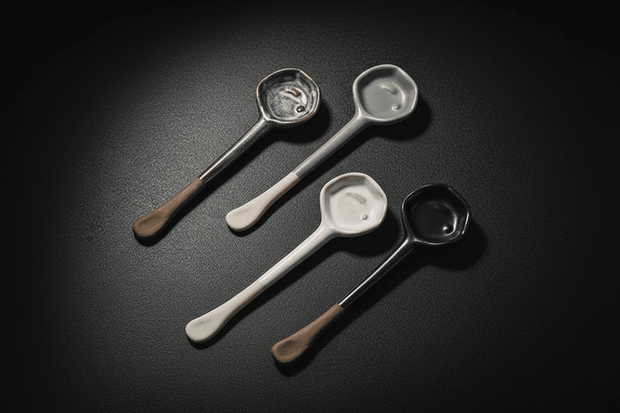
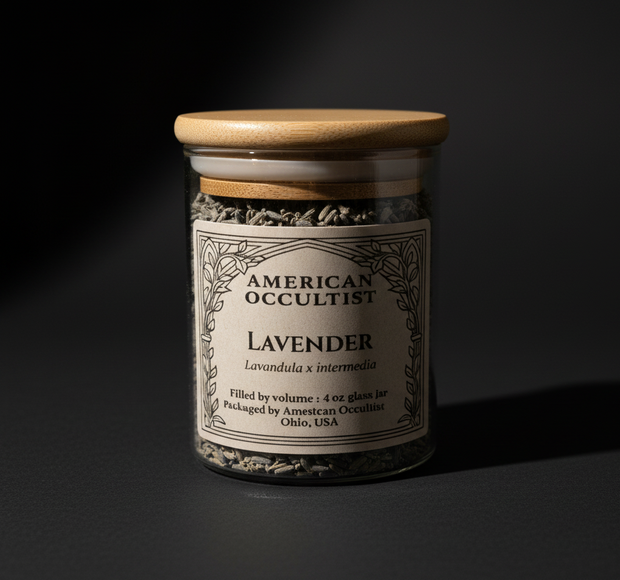
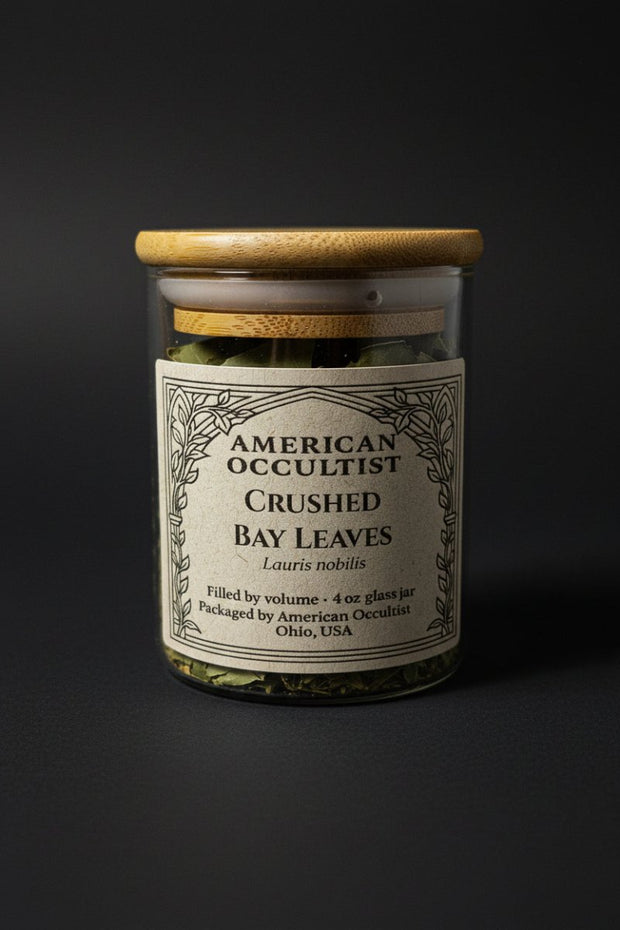
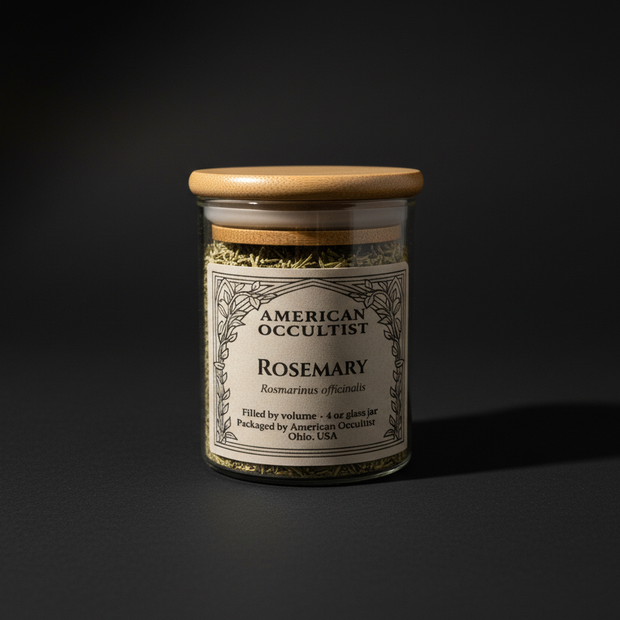
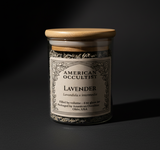
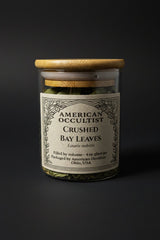
Browse Ritual Herbs for correctly named dry materials and Altar Tools for preparation equipment as inventory changes. The Witch’s Ritual Spoon can transfer small dry amounts without using fingers. Examples such as the Lavender Herb Jar, Bay Leaves Jar, and Rosemary Herb Jar arrive in recognizable forms that can be processed only when the working actually requires it.
Frequently Asked Questions
Can I use my kitchen mortar for ritual herbs?
Only when every ingredient is correctly identified, food-safe for its intended use, and the tool has never held nonfood or unsafe material. A dedicated ritual tool is simpler.
Should I season a new mortar and pestle?
Some stone tools require preparation to remove loose grit. Follow the maker’s instructions because methods differ by material and intended use.
Can I grind crystals or minerals in it?
No casual mineral grinding is recommended. Mineral dust can be hazardous, damage the tool, and create an exposure route that a polished stone does not.
Can I grind herbs for incense?
Yes, when the plants are correctly identified and appropriate for burning, but use ventilation and a dedicated nonfood tool. Fine powder burns and becomes airborne differently from cut herbs.
Does clockwise or counterclockwise grinding matter?
Direction may carry meaning within a specific system. It does not change material safety or guarantee an outcome.
How fine should the powder be?
Only as fine as the method requires. Coarser material is often easier to control, label, store, and burn safely.
Preparation Should Increase Control
A mortar and pestle is useful when it gives you a known particle size, deliberate sequence, and clear record. Choose a compatible material, separate food from nonfood use, process small batches, control dust, label the result, and clean the tool according to what it is actually made from.
Tools for this practice
Explore the products selected for this guide. Review each listing for what is included and how to use it.
Shop this guide · 4 items Collapse


Keep exploring the shop
You made it to the end of the guide. Keep exploring through related products, major departments, or the full catalog.
 RELATED TO THIS GUIDE
Ritual Supplies & Altar Tools
Shop this topic
RELATED TO THIS GUIDE
Ritual Supplies & Altar Tools
Shop this topic


Leave a comment