


Cleansing and Charging Crystals in Wicca: Elemental and Sabbat Practice

This guide focuses specifically on how Wiccan practitioners may place crystal cleansing and charging within circles, elemental symbolism, Esbats, Sabbats, altar work, and seasonal practice. For the complete mineral-care guide—including water, salt, sunlight, treatments, stone-specific cautions, and common damage—read How to Cleanse and Charge Crystals Safely first.
In Wiccan practice, cleansing and charging are symbolic maintenance actions. Cleansing marks the end of one ritual role or prepares a stone for new work. Charging assigns or renews a purpose. Neither process physically removes measurable “negative energy” from a mineral, and no ritual meaning makes an unsafe cleaning method safe.
When might a Wiccan cleanse a ritual stone?
A practitioner may choose to cleanse or reset a stone:
- before its first ritual use;
- when changing its assigned altar or spell function;
- after a major working or emotionally intense rite;
- before lending or sharing it;
- when rotating a seasonal altar;
- before consecrating it as a dedicated ritual tool;
- when closing a complete cycle of work.
Daily cleansing is unnecessary unless it serves a clear role. Fear-based or compulsive maintenance can distract from the actual practice.
Low-risk Wiccan cleansing methods
Sound
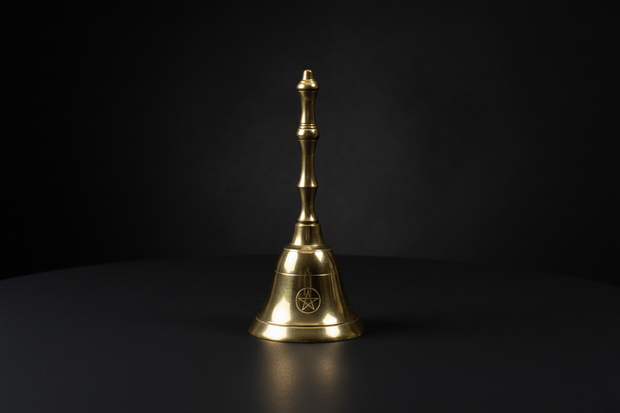
Ring a bell, use a singing bowl, clap, chant, or speak a brief cleansing phrase. Sound requires no contact with water, salt, smoke, oil, or heat and is suitable for most specimens.
Breath, prayer, and visualization
Hold the stone securely or place it on the altar. State that its previous ritual role is complete and name the purpose of the reset. Visualization can provide symbolic closure without altering the mineral.
Indirect moonlight
Place the stone on an indoor windowsill or protected altar for a defined period. Direct moonlight is not required. Indoor placement avoids dew, rain, wildlife, theft, temperature swings, and accidental loss.
Smoke-free altar cleansing
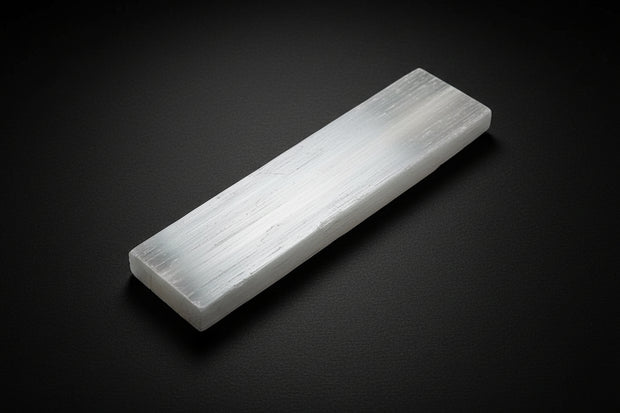
Place the stone beside an LED candle, pentacle, written statement, separate bowl of water, or selenite charging plate. The objects establish ritual structure without physically contacting the specimen.
Incense at a distance
Where smoke is appropriate, allow incense to burn elsewhere in a ventilated room. Passing the specimen directly through smoke is unnecessary and can leave soot or scent on porous surfaces.
Elemental cleansing without exposing the mineral
Wiccan practice often uses Earth, Air, Fire, and Water symbolically. A stone does not need to touch salt, soil, smoke, flame, or liquid to move through an elemental sequence.
| Element | Low-contact representation | Possible statement |
|---|---|---|
| Air | Bell, feather, fan, breath, or spoken words | “By Air, may this purpose be made clear.” |
| Fire | LED light or supervised candle at a safe distance | “By Fire, may this work be given focus.” |
| Water | A separate bowl of clean water | “By Water, may the former work be released.” |
| Earth | Pentacle, closed container of soil, or stable stone | “By Earth, may this purpose be made steady.” |
Turn toward each representation or move the stone near it without direct contact. The wording may be adapted to the practitioner’s tradition.
Charging a crystal in Wiccan practice
- Identify one specific ritual purpose.
- Confirm that the stone is clean, dry, stable, and suitable for handling.
- Place it on the altar or hold it securely.
- State the purpose in direct language.
- Use prayer, visualization, elemental symbolism, or a written petition.
- Place the stone in the relevant altar position or working location.
- Record the purpose and date in a journal.
Charging can occur within a cast circle, during an Esbat or Sabbat, after tool consecration, during meditation, or in an ordinary altar session. Timing adds symbolic context but does not physically change the mineral.
Esbat and lunar practice
A full-moon Esbat may be used to renew a stone associated with reflection, completion, visibility, or gratitude. A dark- or new-moon practice may support rest, planning, release, or a new assignment.
Moon phases do not require outdoor exposure. Keep fragile or moisture-sensitive specimens indoors and use the ritual timing rather than prolonged physical light as the meaningful element.
Sabbat and seasonal practice
Seasonal altar stones may be reviewed when the altar changes:
- clean the surface and inspect the specimen;
- close the previous seasonal role;
- choose whether the stone remains, moves, or returns to storage;
- assign a new purpose only when it fits the observance;
- record the change so meanings do not become confused over time.
A stone does not need to be recharged at every Sabbat simply because the calendar changes.
Charging within a Wiccan circle
- Prepare the stone and altar before casting the circle.
- Open the rite according to your tradition.
- Place the stone at the center or relevant quarter without crowding flame or tools.
- State its purpose and use the chosen elemental or devotional method.
- Complete the central work.
- Close the circle before moving into cleanup and ordinary handling.
Do not reach across flame, hot incense, liquid, or sharp tools to move a stone during ritual.
Methods requiring physical caution
- Water: can dissolve, rust, dull, fracture, stain, or destabilize many minerals.
- Salt: can scratch, attract moisture, corrode metal-bearing material, and lodge in fractures.
- Sunlight: can fade amethyst, fluorite, rose quartz, treated stones, and other colored specimens.
- Heat and flame: can cause thermal shock and unpredictable reactions in coatings, inclusions, glue, or fractures.
- Outdoor burial: introduces moisture, soil chemistry, loss, and environmental concerns.
When identity or treatment is uncertain, use sound, prayer, visualization, and non-contact altar symbolism. The general guide to stone-specific care is How to Cleanse and Charge Crystals Safely.
A practical Wiccan maintenance schedule
- Decorative altar stones: dust and inspect during normal altar cleaning.
- Frequently handled ritual stones: reset when their purpose changes.
- Sabbat stones: review when rotating seasonal items.
- Shared tools: clean physically and reset symbolically after use.
- Fragile specimens: handle as little as possible.
Frequently asked questions
Do crystals need to be cleansed after every ritual?
No. Cleanse or reset them when it supports a clear change in ritual role.
Does Wiccan cleansing require all four elements?
No. Use the complete elemental sequence only when it belongs to your method. Sound, prayer, or one symbolic action can be enough.
Can every crystal go in moonlight?
Indirect indoor moonlight is low risk, but outdoor exposure introduces moisture, temperature changes, loss, and damage.
What is the safest method?
Sound, breath, prayer, visualization, journaling, and non-contact altar symbolism avoid most mineral-care risks.
Related reading
Tools for this practice
Explore the products selected for this guide. Review each listing for what is included and how to use it.
Shop this guide · 2 items Collapse

Keep exploring the shop
You made it to the end of the guide. Keep exploring through related products, major departments, or the full catalog.
 RELATED TO THIS GUIDE
Ritual Supplies & Altar Tools
Shop this topic
RELATED TO THIS GUIDE
Ritual Supplies & Altar Tools
Shop this topic


Leave a comment