


How to Store and Care for Tarot and Oracle Decks: Humidity, Cleaning, Boxes, and Daily Use

A well-used Tarot or oracle deck does not need to remain flawless. Softened edges, a familiar shuffle, and signs of handling can become part of the relationship between reader and cards. Damage that interferes with use is different: warped cards, moisture, sticky surfaces, split layers, faded backs, and missing cards can make a deck difficult or impossible to read.
Good deck care is mostly ordinary object care. You do not need an elaborate ritual or expensive storage system. You need a dry location, clean hands, a container that fits, and habits matched to the deck’s materials.
Know what your deck is made from
Most modern decks are printed on layered paper cardstock with a coating or finish. Others use plastic, synthetic stock, gilded edges, linen texture, matte lamination, or unusually thick art paper. These materials respond differently to moisture, friction, oils, heat, and cleaners.
Before cleaning or flattening a deck, check the publisher’s instructions. A method that works for a waterproof plastic deck may destroy an uncoated paper deck.
The main causes of deck damage
- Humidity: causes swelling, curling, sticking, mildew, and layer separation.
- Direct sunlight: fades ink and can heat the box unevenly.
- Liquids: stain cardstock, dissolve coatings, and glue cards together.
- Dirty or oily hands: leave residue that attracts dust and changes card texture.
- Overtight containers: scrape edges and compress gilding.
- Loose storage: allows cards to bend, scatter, or rub against other objects.
- Aggressive shuffling: bends corners, creases cards, and splits layers.
- Smoke, wax, and oils: leave residues that may not be removable.
The best everyday storage
The original box is often sufficient if it remains sturdy and closes without crushing the cards. A good container should keep the deck together, protect the edges, and leave enough room to remove the cards without pulling forcefully.
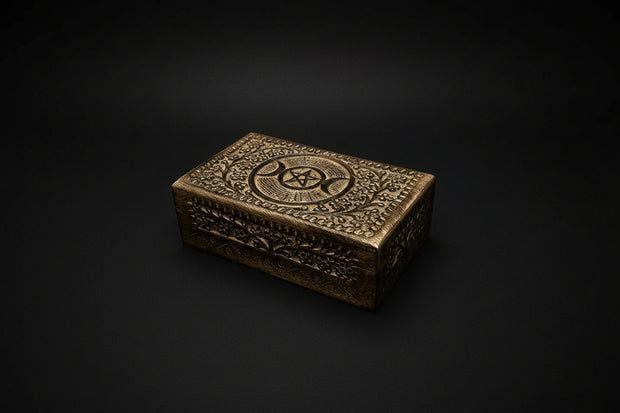
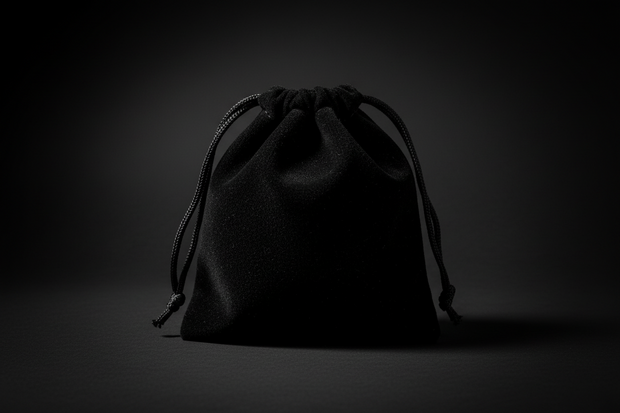
Storage dimensions matter more than a mystical label. Compare wooden boxes, cloths and pouches by size, and measure the deck before choosing a smaller bag.
Options include:
- The publisher’s tuck box or two-piece box.
- A fitted wooden deck box.
- A fabric pouch with enough structure to prevent bending.
- An archival card box sized to the deck.
- A protective case for travel.
A loose pouch protects against scratches but not pressure. If the deck will be carried in a crowded bag, place the pouch inside a rigid case.
Should a deck be wrapped in silk?
No particular fabric is required. Silk wrapping is a popular occult custom, but cotton, linen, velvet, synthetic cloth, a box, or the original package can all work. The practical questions are whether the material is clean, colorfast, dry, and free from fragrance or oils.
Dark fabrics can transfer dye to pale card edges when damp. Decorative glitter, sequins, rough embroidery, and exposed metal fasteners can scratch cards.
Humidity and temperature
Store decks in a stable indoor environment away from bathrooms, damp basements, kitchens, exterior windows, heating vents, and vehicle interiors. Rapid changes in humidity can cause cards to curl even when they never become visibly wet.
A small silica-gel packet may help inside a larger storage box, but it should not press directly against delicate cards or leak granules. Replace or recharge it according to the manufacturer’s directions. Desiccants do not solve an actively damp room.
If you see fuzzy growth, smell mildew, or find cards stuck from moisture, isolate the deck from books and other paper items. Mold can spread and may present a health risk. A severely moldy deck is often safer to discard than to shuffle near the face.
Sunlight and display
Displaying a favorite card can be meaningful, but sunlight gradually fades ink. Use a reproduction, rotate the displayed card, or place it behind UV-filtering material in an area without direct sun.
Do not leave a deck on a sunny altar beneath a glass dome. The enclosed space can trap heat. Candles, incense ash, smoke, and oil diffusers also make an active altar a risky long-term storage location.
Clean hands and reading surfaces
Wash and dry hands before handling valuable decks, especially after using lotion, ritual oil, food, or cleaning products. A dry tablecloth or reading mat protects cards from rough wood, crumbs, residue, and unnoticed moisture.
Check the surface before every public reading. Café tables, event tables, and shared reading spaces may have invisible drink rings or sanitizer residue.
How to clean cards safely
Begin with the least invasive method:
- Remove loose dust with a clean, dry microfiber cloth.
- Wipe each card gently without bending it.
- Use no liquid unless the manufacturer confirms the deck is waterproof or safely wipeable.
- Test any approved method on an advertisement card or replaceable extra card first.
Do not apply essential oils, Florida water, alcohol, household cleaner, incense smoke residue, or salt directly to cards. Cornstarch and powders sometimes recommended for sticky cards can lodge between layers, alter coatings, and create a mess.
Spiritual cleansing and physical cleaning are separate. For smoke-free symbolic methods, see Should You Cleanse a Tarot Deck?.
What to do with warped cards
Mild curling sometimes improves when the deck is placed flat in a dry, stable room and pressed evenly between clean, smooth surfaces. Use moderate weight distributed across the entire deck. Do not use an iron, hair dryer, oven, microwave, or direct heater.
Separate damp cards before pressing them. Pressure can permanently bond wet coatings together. If the cards are actively wet, blot rather than rub, provide airflow, and accept that staining or distortion may remain.
Protecting gilded edges
Gold, silver, holographic, and colored edges can flake or wear. Some gilded decks arrive slightly stuck together. Flex the deck gently and separate cards one at a time rather than forcing a riffle shuffle.
Edge wear is normal. Avoid sanding, sealing, painting, or applying oil unless you are intentionally altering the deck and understand that the change may be permanent.
Shuffling without destroying the deck
No shuffle is mandatory. Choose one that fits the card size, stock, and your hands:
- Overhand shuffle: accessible and relatively gentle when done loosely.
- Riffle shuffle: effective but can bend stiff or gilded cards.
- Mash shuffle: useful with sleeved or smooth cards but can damage corners if forced.
- Table mixing: spreads cards face down and moves them in circles; requires a clean surface and enough space.
- Cutting packets: gentle and suitable for large decks.
A deck does not become more accurate because it was shuffled aggressively. The goal is randomization and focus, not proving physical skill.
Should cards be sleeved?
Protective sleeves can preserve rare, out-of-print, handmade, or heavily used decks. They also make the deck larger, more slippery, and harder to shuffle. Use archival-quality, acid-free sleeves sized correctly for the cards.
Sleeving is especially useful when:
- The deck is irreplaceable.
- Cards are used by many clients.
- The finish marks easily.
- The reader works in environments where spills are likely.
Travel and public readings
Carry only the decks needed for the event. Use a rigid case, verify the card count afterward, and keep drinks on a separate surface. A small clean cloth can create a reading area and help gather cards quickly.
Do not leave decks unattended where visitors can mix multiple decks, bend cards, or remove a favorite image. Public handling rules are not inhospitable; they protect the tool needed for the service.
Cataloging a deck collection
Large collections become easier to use when recorded. A simple catalog can include:
- Title, creator, publisher, and edition.
- Number of cards and guidebook.
- Purchase date and source.
- Deck dimensions and storage location.
- Missing, signed, replacement, or damaged cards.
- Whether the deck is in print.
- Reading strengths, imagery notes, and ethical concerns.
Store guidebooks with their decks or label both clearly. Photograph the box and a few identifying cards rather than relying on memory.
When a deck is incomplete
Count the cards before assuming one is missing. Tarot decks usually contain 78 cards, but oracle decks vary widely, and specialty Tarot decks may include extras.
An incomplete deck can still be used for study, art, altar display, journaling, or limited readings if the absence is disclosed and intentionally accommodated. For standard divination, replacing the missing card or using another complete deck prevents a hidden bias in results.
Frequently asked questions
Can I store several decks together?
Yes, if each deck remains supported and identifiable. Avoid stacking so much weight on a weak box that it collapses.
Does another person touching my deck damage its energy?
That depends on personal belief, not physical necessity. Other people can physically soil, bend, or mix cards, so set handling rules for practical reasons.
Can I put crystals on top of a deck?
Light, smooth stones are unlikely to harm a sturdy boxed deck, but heavy points and rough specimens can dent boxes or cards. Some minerals shed, stain, or react with moisture.
Should I keep Tarot cards in order?
Order is useful for checking completeness, studying sequence, or resetting a deck. There is no requirement to store a working deck permanently ordered.
How long should a deck last?
That depends on stock, finish, frequency of use, shuffle style, environment, and care. A worn deck is not spiritually defective, but replace it when damage prevents clear use.
Care supports the reading
Deck care does not need to become another source of anxiety. Keep cards dry, clean, shaded, supported, and complete. Choose storage that makes the deck easy to reach, because a protected tool that is never used serves a different purpose from a working deck built to be handled.
Readers choosing their first working deck can continue with How to Choose Your First Tarot Deck, while those comparing systems can explore the Divination Tools collection.
Tools for this practice
Explore the products selected for this guide. Review each listing for what is included and how to use it.


Shop this guide · 4 items Collapse


Keep exploring the shop
You made it to the end of the guide. Keep exploring through related products, major departments, or the full catalog.


Leave a comment