


Kitchen Witchcraft Quick Start: Three Simple Daily Rituals

Kitchen witchcraft brings deliberate meaning into cooking, cleaning, hospitality, and repeated household routines. This quick-start guide is designed for someone who wants to try the practice today without building an elaborate altar, buying special cookware, or turning every meal into a formal spell.
For a complete daily and weekly framework, food-safety guidance, accessibility options, recordkeeping, and a 30-day plan, continue with Kitchen Witchcraft for Beginners: Building a Practical Daily Practice.
What is kitchen witchcraft?
Kitchen witchcraft is a modern form of household practice in which ordinary domestic work is given symbolic, devotional, or reflective meaning. It can include:
- preparing food with a clear intention;
- using familiar culinary herbs and spices symbolically;
- treating cleaning and organization as renewal or closure;
- preserving family recipes and food memories;
- practicing gratitude, hospitality, and practical care.
The practical function of the kitchen always comes first. Symbolism should support safe nourishment rather than interfere with it.
Three simple kitchen-witch rituals
1. Stir one intention
Choose one word—such as patience, steadiness, comfort, focus, or welcome—and repeat it silently while stirring soup, tea, sauce, or batter. Directional stirring is optional; do not change a recipe’s required technique to follow a symbolic rule.
Connect the word to one practical action. “Steadiness” might mean eating before a demanding task, preparing tomorrow’s lunch, or slowing down enough to follow the recipe safely.
2. Clear one working space
Remove clutter from one section of the counter, wash the surface, gather the ingredients, and state what the space is being prepared for. The cleaning itself becomes the opening action.
I clear this space for careful work and sufficient nourishment.
When the food is finished, turn off appliances, store leftovers, and clean the tools. Treating cleanup as the closing keeps the ritual connected to household care.
3. Pause over a familiar drink
Prepare tea, coffee, water, or another familiar beverage according to ordinary directions. Before drinking, pause and name what the moment needs: rest, courage, clarity, comfort, or attention.
Use only food-grade ingredients and respect allergies, medication considerations, caffeine limits, alcohol boundaries, and dietary needs. Ritual intention does not change the physical properties of a drink.
Five familiar pantry correspondences
- Basil: hospitality, prosperity, and harmony
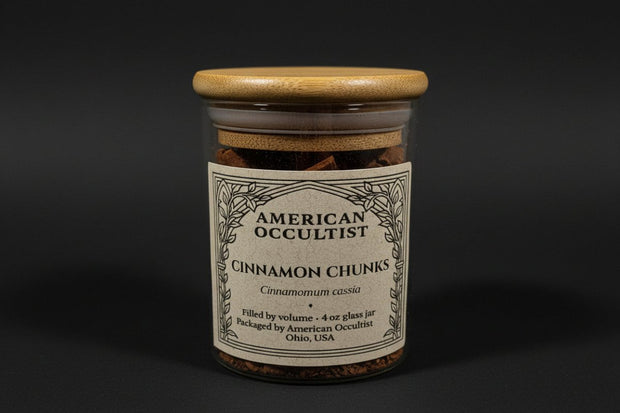
- Cinnamon: warmth, momentum, attraction, and success
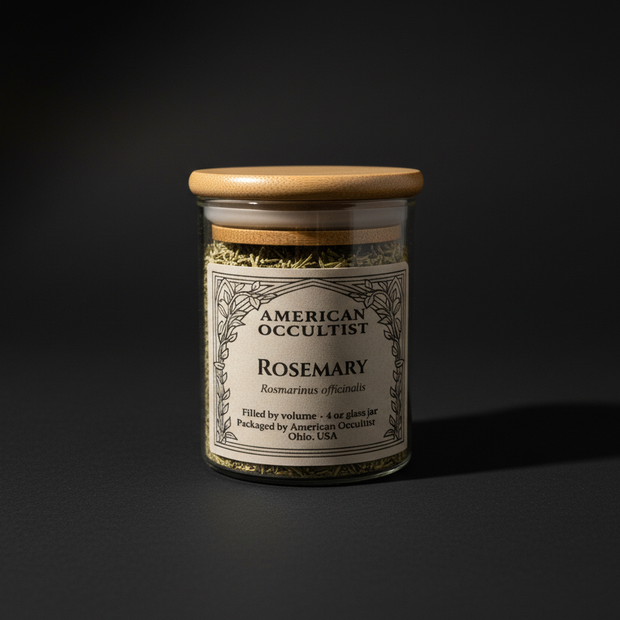
- Rosemary: remembrance, clarity, and protection
- Garlic: household defense and resilience
- Bay: achievement, honor, and written intentions
Correspondences vary by culture, tradition, author, and personal experience. They are symbolic references—not medical instructions or universal laws. Read Spice Rack Magic and Herbal Magic 101 for more context.
What tools do you need?
Ordinary cookware is enough. Useful items may include:
- a spoon or utensil already used for cooking;
- labeled culinary ingredients;
- a notebook or recipe card;
- a meaningful mug, bowl, or family recipe;
- an LED candle or no additional light at all.
Keep ritual herbs, incense, oils, powders, crystals, ash, and decorative vessels away from food unless the exact item is explicitly verified for culinary use.
Do you need a kitchen altar?
No. A clean working area, notebook, windowsill object, meaningful utensil, or repeated opening sentence can provide enough structure. Permanent displays should not interfere with cutting, heat, water, ventilation, appliances, or shared access.
A seven-day quick start
- Choose one repeated kitchen action.
- Assign it one clear meaning.
- Use it during one familiar meal or drink.
- Record one sentence about what happened.
- Repeat the same method once more.
- Remove any step that made cooking harder.
- Choose whether the practice deserves a place in your weekly routine.
Frequently asked questions
Can packaged or reheated food be part of kitchen witchcraft?
Yes. Safe reheating, thoughtful presentation, gratitude, reducing waste, and caring for your actual energy level can all become part of the practice.
Can I cook for other people?
Yes, provided ingredients, allergies, dietary needs, alcohol, and spiritual boundaries are respected. Do not use food as a concealed method of controlling another person.
Is kitchen witchcraft an ancient religion?
No single ancient religion was universally known by this modern label. The practice draws inspiration from older household customs, foodways, folk practices, and hearth traditions.
Build from the life you already live
Begin with food you already prepare, tools you already use, and one intention connected to a practical need. The deeper guide to building a sustainable practice is Kitchen Witchcraft for Beginners.
Tools for this practice
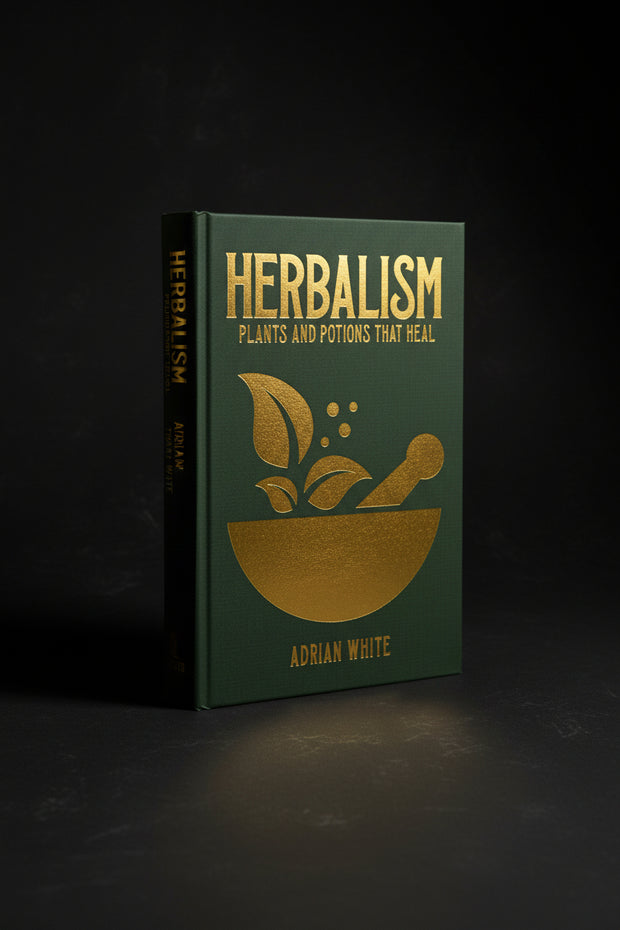
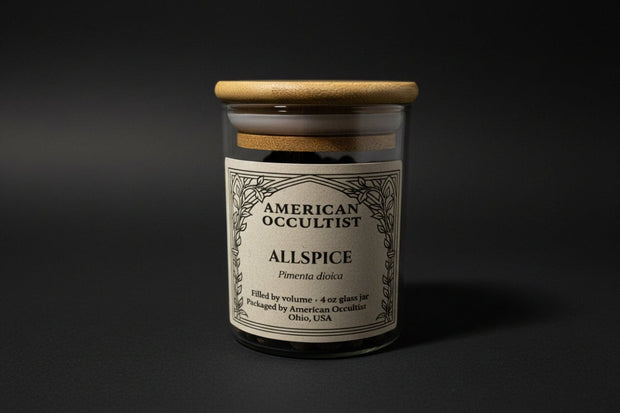
Explore the products selected for this guide. Review each listing for what is included and how to use it.
Shop this guide · 4 items Collapse


Keep exploring the shop
You made it to the end of the guide. Keep exploring through related products, major departments, or the full catalog.


Leave a comment