


Kitchen Witchcraft for Beginners: Building a Practical Daily Practice

Kitchen witchcraft is often introduced through lists of magical herbs, stirring directions, seasonal recipes, and decorated wooden spoons. Those ideas can be useful, but they are not the foundation of the practice. A lasting kitchen craft is built through repeated acts of nourishment, attention, household care, hospitality, memory, and responsible use of food.
You do not need to prepare elaborate meals, own special cookware, or transform every snack into a formal spell. The strongest practice is usually the one that fits naturally into the way you already eat, cook, clean, shop, share food, and care for your home.
Our Kitchen Witchcraft 101 guide provides a brief introduction to the path. This article goes further by showing how to build a daily and weekly practice that remains safe, ethical, accessible, and sustainable.
What Is Kitchen Witchcraft?
Kitchen witchcraft is a modern, flexible form of household practice centered on food preparation, nourishment, hospitality, cleaning, pantry traditions, and the symbolic meaning of domestic work. Some kitchen witches are Pagan or Wiccan. Others practice folk magic, secular witchcraft, devotional spirituality, or a personal form of household ritual.
The label does not describe one organized religion or an unchanged historical tradition. It draws inspiration from older foodways, hearth customs, household blessings, family recipes, agricultural cycles, folk practices, and the longstanding human tendency to treat food as more than fuel.
A kitchen-witch practice may include:
- Preparing food with a clearly stated intention
- Keeping family, seasonal, or personally meaningful recipes
- Using culinary herbs and spices symbolically while following ordinary food-safety rules
- Treating cleaning and organization as renewal or closure
- Practicing gratitude before eating
- Creating household traditions around hospitality, remembrance, celebration, or comfort
- Recording recipes, substitutions, outcomes, and personal associations
- Connecting magical symbolism to practical care and responsible action
Kitchen witchcraft is not defined by complexity. Toast prepared during a difficult morning can carry as much deliberate meaning as a holiday meal that takes hours to complete.
The Six Foundations of a Sustainable Kitchen Practice
1. Nourishment Comes Before Performance
The practical purpose of a kitchen is to prepare, store, and share food safely. Magical symbolism should support that purpose rather than interfere with it.
A meal does not need rare ingredients, perfect presentation, or an elaborate ritual to be meaningful. Frozen vegetables, packaged food, leftovers, meal-replacement products, and simple snacks can all be incorporated into an intentional practice. Accessibility, available money, energy, time, dietary needs, and cooking experience are part of the real household—not obstacles that must be hidden.
Begin by asking what the food needs to accomplish. Does it need to be affordable, filling, fast, comforting, portable, gentle on the stomach, or suitable for several people? Once the practical need is clear, symbolism can be added without compromising the meal.
2. Intention Should Be Specific and Realistic
“Put intention into it” is common advice, but vague intention is difficult to practice. Choose a word or sentence connected to an action you can understand.
- “I am preparing this meal to support rest after a demanding day.”
- “I am making enough to share without exhausting myself.”
- “I am practicing patience while I complete each step.”
- “I am using what is already available before buying more.”
- “I am honoring this family recipe by recording it accurately.”
The intention does not guarantee a supernatural outcome. It gives the activity a deliberate purpose and helps connect ritual language to practical behavior.
3. Repetition Creates Meaning
A single dramatic meal may be memorable, but repeated household actions are what create a living practice. Washing a cup after morning tea, preparing the same soup during winter, baking for a loved one’s birthday, or cleaning the counter before beginning can become reliable ritual markers.
Choose one action you already repeat and assign it a clear role. The action might open the practice, focus it, or bring it to a close. Consistency matters more than adding many correspondences at once.
4. Care Includes Boundaries
Kitchen witchcraft is sometimes described entirely through generosity and nurturing, but care does not require endless labor. A practitioner is not obligated to cook for everyone, accept every guest, perform domestic work without help, or use food to prove spiritual devotion.
Healthy household practice includes saying no, sharing responsibilities, protecting dietary boundaries, using shortcuts, and choosing rest when cooking would be unsafe or exhausting. Domestic work is not inherently feminine, and kitchen witchcraft belongs to practitioners of every gender.
5. Hospitality Requires Consent
Do not secretly treat food served to another person as a method of controlling their emotions, attraction, decisions, health, or spiritual state. People deserve to know what they are eating and to make informed choices about ingredients, alcohol, allergens, dietary restrictions, and religious concerns.
You can prepare food with general wishes for comfort, peace, friendship, or celebration, but avoid claims that a meal will heal an illness, force affection, remove consent, or override someone’s judgment. When spiritual practice is relevant to the people sharing the meal, discuss it openly.
6. Recordkeeping Turns Habit Into Practice
A kitchen journal helps preserve recipes, track substitutions, identify patterns, and separate personal symbolism from universal claims. It also prevents successful meals and useful lessons from disappearing into memory.
Record what you actually did rather than what the recipe was supposed to produce. Over time, the journal becomes a household reference shaped by real experience.
Food Safety and Magical Symbolism Must Remain Separate
Spiritual meaning does not change the physical properties of ingredients. A plant associated with healing is not automatically safe medicine. A ritual oil is not culinary oil. A decorative vessel is not necessarily food-safe.
Follow these basic boundaries:
- Use ingredients sold and labeled for culinary consumption when preparing food.
- Keep ritual herbs, powders, incense, resins, ash, candle materials, crystals, and essential oils away from food.
- Do not ingest a plant because it appears on a magical correspondence list.
- Check allergies, medication interactions, pregnancy considerations, pet risks, and household dietary restrictions.
- Wash hands and surfaces, prevent cross-contamination, and use safe cooking and storage temperatures.
- Do not place stones directly into food or drinking water unless the exact product is verified for that contact.
- Label culinary and ritual-only materials clearly and store them separately.
For symbolic background, use Herbal Magic 101 and Spice Rack Magic as correspondence guides—not as medical or dietary instructions.
A Simple Daily Kitchen-Witch Rhythm
A daily practice should be small enough to continue during ordinary life. Choose one or two of the following stages rather than forcing every meal into the complete sequence.
Opening: Clear One Working Space
Before preparing food, clear enough counter space to work safely. Wash the surface if needed, gather the ingredients, and check the recipe. This practical preparation can become the ritual opening.
Use a brief statement such as:
I clear this space for careful work and sufficient nourishment.
No candle, incense, or special tool is necessary. In a kitchen, avoiding additional flame and smoke is often the safer choice.
Preparation: Choose One Repeated Action
Stirring, kneading, chopping, measuring, pouring, and arranging are naturally repetitive. Select one action as the point where you return attention to the intention.
For example, while stirring soup, repeat the word “steadiness.” While measuring ingredients, focus on balance and enoughness. While kneading dough, reflect on patience and gradual development.
Directional stirring is optional. Some modern practitioners associate clockwise movement with building and counterclockwise movement with release, but this is not a universal law. Do not reverse a recipe’s needed technique merely to follow a symbolic rule.
Completion: Finish the Practical Task
Turn off burners, confirm that appliances are safe, store leftovers correctly, put away ingredients, and clean the tools. Treating cleanup as part of the ritual prevents the magical moment from ending in practical disorder.
A closing phrase can be simple:
The work is complete. What nourishes remains; what is finished is cleared away.
Reflection: Write One Sentence
Record what you prepared, the intention you used, and one observation. A complete journal entry can be only a sentence or two. The goal is continuity, not decorative perfection.
Weekly, Monthly, and Seasonal Practice
Weekly Pantry Review
Once a week, check what needs to be used, discarded, replaced, or labeled. Look for expired food, damaged packages, spoiled produce, pests, unidentified jars, and duplicate purchases.
This can become a practice of stewardship: using resources carefully, reducing waste, and preventing the pantry from becoming a display of ingredients no one actually eats.
Weekly Intentional Meal
Choose one meal or drink each week for deliberate practice. Use something familiar enough that the cooking itself does not create unnecessary stress. Repeat the same method several times before adding more symbolism.
A repeated weekly meal makes it easier to notice whether the practice improves attention, organization, confidence, gratitude, or connection.
Monthly Journal Review
At the end of the month, read your entries and ask:
- Which practices fit naturally?
- Which ones made cooking harder?
- What ingredients were wasted?
- Which recipes should be repeated or revised?
- Did any correspondence come from an unclear source?
- What practical skill deserves more attention?
Revise the practice instead of keeping every habit merely because it once felt meaningful.
Seasonal Practice
Seasonal kitchen witchcraft can follow local produce, family celebrations, weather, agricultural traditions, religious festivals, or the foods your household naturally prefers at different times of year.
You do not need to reproduce an idealized harvest table. A seasonal practice might mean making soup when the weather changes, preserving one family recipe, visiting a farmers market, learning where a staple ingredient comes from, or preparing a familiar food associated with remembrance.
Family Recipes, Food Memory, and Cultural Respect
Recipes often carry stories about migration, poverty, celebration, grief, religion, survival, trade, family roles, and adaptation. Kitchen witchcraft can preserve those histories when it records them honestly.
Ask older relatives or community members about ingredient changes, measurements, special occasions, and the practical reasons behind a recipe. Record who taught it and what you changed. Do not erase the people connected to the food by presenting their traditions as generic ancient witchcraft.
When working with a recipe from a culture that is not your own, learn its name, origin, customary context, and correct preparation. Appreciation begins with accuracy and respect. Avoid claiming spiritual authority, initiation, or ancestral connection you do not possess.
Kitchen Witchcraft for Small Spaces and Limited Energy
A complete practice does not require a large private kitchen. Apartment dwellers, people in shared housing, students, travelers, and practitioners with disabilities or chronic illness can adapt the work.
Low-energy and small-space practices include:
- Preparing tea, coffee, toast, cereal, or another familiar item intentionally
- Reheating food safely and pausing before eating
- Cleaning one small surface
- Writing a recipe memory without cooking
- Organizing one pantry shelf
- Using an LED candle or no light at all
- Keeping the practice in a notebook rather than maintaining an altar
- Using seated preparation, adaptive utensils, pre-cut ingredients, or meal assistance
- Choosing one scent-free and smoke-free ritual cue
Convenience foods and adaptive tools do not make the practice less authentic. A method that supports the practitioner’s body and actual living situation is stronger than one performed for appearance.
Shared Kitchens, Privacy, and Household Respect
In a shared kitchen, magical practice should not interfere with other people’s access, safety, beliefs, or belongings.
- Do not leave candles, powders, herbs, offerings, or ritual tools on communal counters.
- Do not use another person’s cookware for ritual-only materials.
- Label personal ingredients and respect allergy concerns.
- Keep private practice portable when permanent displays would create conflict.
- Ask before changing shared cleaning routines or household food traditions.
- Never conceal unsafe ingredients inside communal food.
A notebook, one ordinary mug, and a brief silent intention can support a discreet practice without claiming the entire room.
Kitchen Witchcraft Compared With Related Paths
Kitchen witchcraft overlaps with several forms of practice, but the center is different.
- Green witchcraft emphasizes living plants, ecology, gardens, and relationship with the natural environment.
- Herbal witchcraft emphasizes the ritual symbolism and study of plant materials.
- Hearth or household magic may include the entire home, family boundaries, protection, cleaning, and domestic continuity.
- Folk magic refers to culturally and regionally specific practices that may include food, charms, blessings, and household customs.
- Kitchen witchcraft places food preparation, nourishment, hospitality, and repeated kitchen activity at the center.
The same ingredient can belong to several approaches. Growing basil may be green witchcraft. Studying its correspondences may be herbal witchcraft. Cooking with it intentionally may be kitchen witchcraft. Context and purpose matter more than the object itself.
For a fuller comparison, read Hedge Witch vs Green Witch vs Kitchen Witch.
How to Build a Kitchen Grimoire or Recipe Journal
Your journal can be handwritten, digital, or kept on recipe cards. Use a format that can be corrected and maintained.
A practical recipe entry may include:
- Recipe name and source
- Who taught it or where it was found
- Date prepared
- Ingredients and substitutions
- Dietary and allergy notes
- Cooking time and temperature
- Seasonal or family context
- Traditional or modern correspondences, with the source identified
- Intention used
- What actually happened
- Changes for next time
Keep culinary facts, cultural history, magical associations, and personal experience in separate fields. The same method used in a materia magica can help prevent folklore and personal belief from being mistaken for food-safety information.
A 30-Day Kitchen Witchcraft Beginner Plan
Week 1: Observe the Existing Kitchen
- Choose a notebook or digital record.
- Write down what you regularly eat and prepare.
- Clear and clean one working area.
- Check labels and separate culinary ingredients from ritual-only materials.
- Choose one repeated action that could become a ritual cue.
Week 2: Establish One Intentional Preparation
- Select one familiar meal, snack, or drink.
- Choose one realistic intention.
- Use the same opening, repeated action, and closing twice during the week.
- Record what felt useful and what felt forced.
Week 3: Add Memory, Season, or Hospitality
- Prepare or document one family, seasonal, or personally meaningful recipe.
- Record its source and context.
- If sharing food, confirm ingredients, allergies, and consent.
- Choose one act of hospitality that does not exceed your limits.
Week 4: Build the Sustainable Rhythm
- Complete a pantry review.
- Read the month’s journal entries.
- Choose one daily practice and one weekly practice to continue.
- Remove unnecessary steps, tools, or correspondences.
- Write one subject for deeper study during the next month.
The goal is not to turn every meal into spellwork. It is to create one or two reliable practices that improve attention, care, and connection without making food preparation harder.
Common Kitchen Witchcraft Mistakes
Making Every Meal a Complicated Ritual
When every preparation requires perfect timing, many ingredients, spoken words, and elaborate symbolism, the practice can become exhausting. Reserve longer rituals for occasions when they genuinely add value.
Using Ritual Materials as Food
Occult-shop herbs, ritual oils, spell powders, ash, incense, crystals, and decorative vessels should not enter food unless the exact product is explicitly verified for the intended culinary use.
Treating Correspondences as Universal Law
Ingredient meanings vary by culture, tradition, author, period, and personal experience. Record sources and allow disagreement instead of forcing one definitive list.
Buying Tools Instead of Developing Skills
Ordinary cookware and safe food preparation are enough. Learn one recipe, one cleaning routine, and one recordkeeping method before collecting specialized objects.
Making Medical Claims
Food can provide nourishment and comfort, but magical correspondence does not diagnose, treat, or cure illness. Follow qualified medical and dietary guidance when health concerns are involved.
Ignoring Consent
Do not use food as a hidden method of controlling love, sexuality, behavior, belief, health decisions, or relationships.
Turning Domestic Labor Into a Spiritual Obligation
A practitioner does not owe constant cooking, cleaning, hosting, or emotional care. Shared labor, convenience food, rest, and firm boundaries belong in a healthy practice.
Frequently Asked Questions
Do I Need to Be a Good Cook?
No. Begin with food you can prepare safely and consistently. Kitchen witchcraft can develop alongside ordinary cooking skills.
Do I Need a Kitchen Altar?
No. A clean working area, notebook, meaningful mug, or repeated opening statement can provide enough structure. Permanent displays may be impractical in small or shared kitchens.
Can Grocery-Store Herbs and Spices Be Used?
Yes. Familiar culinary ingredients are often the best choice for cooking. Use them according to ordinary recipes and keep them separate from ritual-only supplies.
Can Frozen, Packaged, or Prepared Food Be Part of the Practice?
Yes. Intention and household care are not limited to meals prepared from raw ingredients. Safe reheating, thoughtful presentation, gratitude, and reducing waste can all become part of the practice.
Can I Practice Without Flame, Smoke, or Strong Scents?
Yes. Use words, gestures, a timer, music, an LED light, a specific cloth, or the act of cleaning the surface as the ritual cue.
Can I Cook for Other People?
Yes, provided ingredients, allergies, dietary needs, and spiritual boundaries are respected. General wishes for comfort or celebration are different from attempting to override another person’s consent.
Is Kitchen Witchcraft Only for Women?
No. Food preparation, hospitality, household care, and magical practice are not limited to one gender.
Is Kitchen Witchcraft an Ancient Religion?
No single ancient religion was universally known by this modern label. The practice draws from many older household customs, food traditions, folk practices, and spiritual relationships with the hearth and table.
Build the Practice Around the Life You Actually Live
Kitchen witchcraft becomes sustainable when it supports the household rather than performing an idealized version of domestic magic. Begin with food you already know, tools you already use, and one intention connected to a practical need.
Prepare safely. Respect consent. Record recipes and their sources. Allow convenience, adaptation, boundaries, and rest. Over time, repeated acts of nourishment and care can become a meaningful practice without turning every meal into a ceremony.
Related Reading
Tools for this practice
Explore the products selected for this guide. Review each listing for what is included and how to use it.
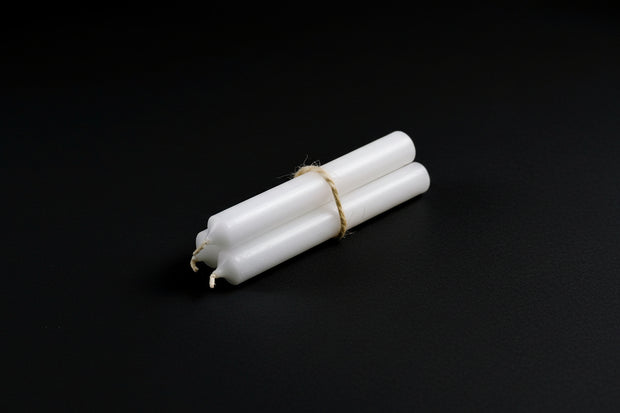
Shop this guide · 1 item Collapse

Keep exploring the shop
You made it to the end of the guide. Keep exploring through related products, major departments, or the full catalog.
 RELATED TO THIS GUIDE
Candles & Incense
Shop this topic
RELATED TO THIS GUIDE
Candles & Incense
Shop this topic


Leave a comment