


Litha for Beginners: Summer Solstice Traditions, Altar Ideas, and a Simple Ritual

Litha is a modern Pagan celebration of the summer solstice: the point in the local year when daylight reaches its greatest extent before the nights begin to lengthen again. For many practitioners, it is a season of warmth, vitality, growth, gratitude, and outward activity. It can also be a useful moment to recognize limits. The sun may be at its apparent height, but the solstice is also a turning point.
A meaningful Litha observance does not require a bonfire, an elaborate outdoor gathering, or a table filled with expensive supplies. A glass of water, a safe source of light, a seasonal meal, and a few deliberate minutes can be enough.
What Is Litha?
Litha is one name used by modern Pagans and Wiccans for a festival associated with the summer solstice. It belongs to the modern Wheel of the Year, an eight-festival calendar that combines solstices, equinoxes, and seasonal observances.
The summer solstice occurs when one of Earth’s hemispheres is tilted most directly toward the sun. In that hemisphere, it produces the longest period of daylight and shortest night of the year. The June solstice is the summer solstice in the Northern Hemisphere; the December solstice is the summer solstice in the Southern Hemisphere.
The solstice does not always fall on the same calendar date, and local daylight varies dramatically with latitude. Rather than reducing Litha to a single date or a universal list of symbols, begin by observing what the season is actually doing where you live.
Is Litha an Ancient Festival?
The summer solstice and midsummer have been marked in many cultures, but those observances were not one identical religion or festival. Regional customs developed within their own languages, climates, communities, and religious systems.
The modern name Litha is often connected with Old English month names recorded by the eighth-century scholar Bede. His account describes two summer months called forms of Liða, but it does not document a universal ancient Pagan festival with the exact modern Wheel of the Year structure.
Modern Litha is therefore best understood as a contemporary Pagan observance informed by solstice astronomy, midsummer folklore, Wiccan ritual calendars, modern nature spirituality, and personal or local tradition. That does not make it meaningless. It simply means practitioners should distinguish documented history from later synthesis.
Historical Honesty Strengthens Practice
You do not need to label every custom ancient for it to carry spiritual value. Lighting a supervised candle, making a flower arrangement, writing a gratitude prayer, or sharing a seasonal meal can be meaningful modern practices. Clear labeling allows history and creativity to exist together without confusing one for the other.
Common Litha and Summer Solstice Themes
Litha correspondences differ between traditions and authors. The following themes are useful starting points rather than universal rules.
Light at Its Fullness
The solstice represents the year’s greatest span of daylight in the local summer hemisphere. Practitioners may use that visible abundance of light to reflect on clarity, confidence, creative expression, visibility, or work that is ready to be shared.
Growth and Vitality
Gardens, fields, trees, insects, and wildlife may be highly active during this part of the year. Litha can honor growth already underway rather than demanding constant expansion. Ask what is thriving, what needs tending, and what has grown beyond its healthy boundaries.
Abundance With Responsibility
Seasonal abundance carries obligations. Food must be preserved or shared. Gardens require water. Outdoor spaces need protection. Energy must be balanced with rest. A grounded solstice practice recognizes that abundance is not simply having more; it is caring responsibly for what is present.
The Turning of the Light
The summer solstice is both a peak and a transition. After it, daylight gradually begins to decrease in that hemisphere. This makes Litha suitable for acknowledging success while preparing for change. Celebration and impermanence can stand beside one another.
Local Season Rather Than Imported Imagery
Your environment may not resemble the green meadows, oak groves, or flower fields often shown in seasonal artwork. You may live in a desert, a coastal city, an apartment, a subtropical climate, or a place where summer means storms, wildfire risk, drought, or dangerous heat. Let local weather and ecology guide your observance.
Northern and Southern Hemisphere Practice
Practitioners in the Northern Hemisphere generally celebrate Litha around the June solstice. Practitioners in the Southern Hemisphere often place their summer solstice observance around the December solstice.
Some communities keep Northern Hemisphere dates for cultural or group reasons, while others shift the Wheel of the Year to match local seasons. There is no single solution that fits every tradition. Decide whether your calendar is primarily astronomical, climatic, cultural, devotional, or communal, and be consistent about why you chose it.
When the calendar and local environment disagree, direct observation can restore meaning. Record sunrise and sunset times, local flowering or harvest patterns, animal activity, temperatures, rainfall, and seasonal work. These details create a practice rooted in place rather than a copied aesthetic.
How to Build a Simple Litha Altar
A Litha altar can be temporary and small. Choose a stable surface away from curtains, pets, children, fans, and direct midday heat.
A Safe Source of Light
A candle may symbolize solar light, but an LED candle, lamp, string light, reflective disk, or piece of gold-colored paper can serve the same ritual role. Flame is optional. If you use a candle, keep dried plants, cloth, paper, oils, and decorations well outside the flame’s reach.
Water
A clean bowl or glass of water can represent hydration, balance, rain, emotional steadiness, or the care that makes summer growth possible. Water also prevents the altar from becoming an unbalanced display of heat and fire symbolism.
Seasonal Plants
Use garden flowers, herbs, fallen leaves, purchased stems, or plants that can remain alive in a pot. Identify wild plants before handling them, obtain permission before gathering, and avoid protected species or habitats. Taking a photograph or making a drawing is often more responsible than picking.
Seasonal Food
Bread, berries, stone fruit, tomatoes, herbs, honey, or another locally available food can represent nourishment and the developing harvest. Keep edible food separate from ritual oils, incense ash, unknown plants, crystals, or objects that are not food-safe.
Personal Symbols
Add one object connected with what has grown in your life: a completed project, a written goal, a tool of your craft, a photograph, or a small token of gratitude. Personal meaning is more useful than filling every space with generalized correspondences.
Optional Colors and Symbols
Modern practitioners often use gold, yellow, orange, red, green, sun disks, wheels, flowers, bees, fire imagery, and oak leaves. These associations vary and are not requirements. Choose symbols that support the purpose of your observance and that you can use safely.
Litha Offering Ideas
Offerings may be directed to a deity, ancestors, land spirits, the household, the season, or no named being at all. They can express gratitude without functioning as payment for a promised result.
- Clean water: Simple, affordable, and appropriate for many household or nature-centered observances
- Bread or seasonal fruit: Suitable when food handling and disposal are safe
- Flowers: Garden-grown, purchased, drawn, photographed, or represented through art
- Music or poetry: A song, spoken prayer, reading, or original piece
- Care work: Watering a garden, cleaning a shared space, supporting a food pantry, or helping a neighbor
- Environmental service: Picking up litter, supporting habitat restoration, or reducing waste
- Rest: Deliberately protecting your health during a demanding season can itself be devotional
Do not leave wax, salt, ribbons, coins, glass, food, incense, or nonnative plant material outdoors. What appears symbolic to a person may become litter, a wildlife hazard, or an ecological problem. Use normal household disposal, composting, recycling, or respectful consumption when appropriate.
Practical Ways to Celebrate Litha
Observe Sunrise Without Looking at the Sun
Wake early enough to notice the changing light, birds, temperature, and sound. Face the brightening horizon rather than staring directly at the sun. A window, porch, shaded yard, or recorded sunrise can provide an accessible alternative.
Take a Seasonal Inventory
Divide a journal page into four questions:
- What is growing well?
- What needs more care?
- What has become excessive?
- What should be prepared for the next season?
This turns the symbolism of fullness into practical reflection rather than forced optimism.
Share a Seasonal Meal
Prepare something suited to your budget, health, culture, and local weather. A meal does not need a supposedly magical recipe. Intentional preparation, gratitude, hospitality, and responsible cleanup can form the ritual.
Create Solar Art
Draw a sun wheel, arrange yellow and gold materials, write a poem about midsummer light, make a paper garland, or photograph changing shadows. Avoid using magnifying glass effects, crystal spheres, or reflective objects where they could concentrate sunlight and start a fire.
Make a Responsible Flower Garland
Use garden plants, purchased flowers, paper, cloth, or reusable artificial greenery. Confirm that fresh plants are non-toxic before wearing them against skin or placing them near food. A garland can represent connection, beauty, celebration, or the temporary nature of bloom.
Practice Generosity
Summer abundance is unevenly distributed. Donate food, water, sunscreen, fans, or funds where appropriate. Check on vulnerable neighbors during heat. Offer transportation, shade, or practical support. Seasonal spirituality becomes more substantial when it improves material conditions.
Spend Time With Local Nature
Choose a safe, legal, accessible form of observation: sit under a tree, visit a park, watch insects from a distance, note cloud patterns, tend a houseplant, or listen through an open window. Nature practice does not require remote wilderness.
Use Movement, Music, or Celebration
Dance, stretch, drum, sing, or walk according to your ability. Group celebrations should provide shade, water, seating, clear consent, accessible routes, and quieter alternatives. No one should be pressured to stay outdoors, approach a fire, consume alcohol, or participate physically.
A Simple Litha Home Ritual
This ritual is suitable for solitary practice and can be adapted for a household or small group. It uses a safe light, water, and written reflection. A formal circle, deity invocation, and flame are optional.
What You Need
- A stable surface
- A candle, LED candle, or lamp
- A glass or bowl of drinking water
- Paper and a pen
- One seasonal or personally meaningful object
1. Prepare the Space
Clear enough room to work comfortably. Remove fire hazards. Silence unnecessary notifications, wash your hands, and place the water where it cannot spill onto electronics or flame.
2. Open the Ritual
Take several comfortable breaths. Notice the temperature, light, and sounds around you. Say:
I meet the season as it is, in this place and in this moment.
3. Acknowledge the Solstice
Turn on the light or safely light the candle. You may say:
I honor the fullness of light, the work of growth, and the turning that begins within every season.
4. Name What Has Grown
Write three things that have developed since the darker part of the year. They may be achievements, relationships, skills, recoveries, clearer boundaries, or simply the fact that you continued.
Choose one and speak a sentence of gratitude. Avoid claiming that every difficulty happened for a reason. Gratitude can coexist with grief, exhaustion, uncertainty, and unfinished work.
5. Choose Growth and Restraint
Write one action you want to continue nurturing. Then write one form of excess you need to limit: overwork, spending, clutter, conflict, unrealistic expectations, or another drain on your resources.
Litha can honor vitality without treating endless expansion as healthy.
6. Use the Water
Hold the glass or bowl safely. Say:
May warmth be balanced by water, effort by rest, and abundance by care.
If the water has remained clean and is intended for drinking, take a sip. Otherwise, pour it into a houseplant or dispose of it normally. Never drink ritual water that contains herbs, oils, ash, crystals, wax, or unknown substances.
7. Close the Ritual
Thank any deities, spirits, ancestors, household members, or natural powers you intentionally addressed. Turn off the light or fully extinguish the candle. Record one practical step you will take within the next day.
A Seven-Day Litha Practice
If a single ritual feels rushed, spread the observance across a week:
- Day one: Record local sunrise and sunset information.
- Day two: Clean and simplify the seasonal altar.
- Day three: Tend a plant or support environmental care.
- Day four: Prepare or share a seasonal food.
- Day five: Create art, music, or written devotion.
- Day six: Review growth, limits, and the next season’s needs.
- Day seven: Perform the simple light-and-water ritual.
Missing a day does not invalidate the observance. Adapt the sequence to energy, disability, work schedules, caregiving, weather, and privacy.
Litha Fire, Sun, and Heat Safety
Never Stare Directly at the Sun
A sunrise or solar meditation does not require direct sun-gazing. Looking at the sun can injure the eyes. Observe ambient light, shadows, the horizon, photographs, or astronomical information instead.
Treat Heat as a Real Physical Risk
Move outdoor activity to cooler hours, seek shade, drink water, wear suitable clothing, and follow local health guidance. Stop if you become dizzy, nauseated, confused, unusually weak, or unwell. Spiritual commitment is not measured by enduring unsafe conditions.
Respect Burn Bans and Wildfire Conditions
Bonfires are not required for Litha. Follow local law, weather alerts, site rules, and burn restrictions. During dry or windy conditions, use an LED candle or symbolic light. Never leave flame unattended, and extinguish it completely.
Keep Plants and Oils Away From Flame
Dried flowers, herbs, paper, garlands, loose sleeves, alcohol, and ritual oils can ignite. Essential oils should not be poured onto burning candles or open flame. Keep decorative material separated from heat sources.
Protect Children, Pets, and Shared Spaces
Use stable stands, non-toxic materials, covered drinks, and flame-free alternatives. Remember that plants and essential oils considered pleasant or symbolic for people may be unsafe for animals. Obtain consent before burning incense, using fragrance, playing loud music, or changing a shared room.
Do Not Concentrate Sunlight
Clear spheres, glass vessels, mirrors, and polished objects can focus or redirect sunlight. Do not leave them in direct sun where they could heat surfaces or create a fire hazard.
Accessible and Low-Energy Litha Ideas
- Watch the changing light from bed or a window.
- Use a lamp or phone-free audio meditation instead of a candle.
- Place one yellow object beside a glass of water.
- Order or purchase prepared seasonal food instead of cooking.
- Listen to birds, rain, insects, or a nature recording.
- Ask another person to gather supplies or read the ritual aloud.
- Observe for five minutes rather than planning an all-day event.
- Celebrate indoors when heat, air quality, mobility, privacy, or sensory needs make outdoor practice unsuitable.
Accessibility is not a lesser version of ritual. Adaptation is part of building a practice that can continue through changing circumstances.
Common Litha Mistakes
- Presenting every modern correspondence as ancient: Label reconstruction, folklore, Wiccan practice, and personal symbolism accurately.
- Ignoring the local hemisphere or climate: Let actual daylight and seasonal conditions inform the observance.
- Assuming a bonfire is necessary: Flame-free light is fully capable of carrying ritual meaning.
- Turning fullness into forced positivity: The season can hold grief, fatigue, scarcity, and complexity.
- Overharvesting plants: Use lawful, abundant, cultivated, purchased, fallen, photographed, or handmade alternatives.
- Leaving offerings outdoors: Avoid litter, wildlife hazards, and ecological damage.
- Buying an entire altar at once: One safe light, water, and a meaningful object are enough.
- Neglecting the turning point: Celebrate growth while preparing for the gradual change that follows the solstice.
Frequently Asked Questions
When Is Litha Celebrated?
Litha is usually celebrated around the local summer solstice. That is generally the June solstice in the Northern Hemisphere and the December solstice in the Southern Hemisphere. The exact astronomical date and time vary by year and location.
Is Litha Wiccan?
Litha is included in many Wiccan and modern Pagan versions of the Wheel of the Year. Individual Wiccan traditions may use different names, theology, ritual forms, or festival dates.
Is Litha an Ancient Holiday?
The summer solstice and midsummer have long histories in many cultures, but modern Litha is not one unchanged universal festival inherited from all ancient Pagans. It is a contemporary observance shaped by several historical, folkloric, and modern religious influences.
Do I Need a Bonfire?
No. A supervised candle, LED light, lamp, artwork, sunrise observation, or spoken acknowledgment can symbolize the season. Fire should never be used when law, weather, health, housing, or safety makes it inappropriate.
Can Litha Be Celebrated Indoors?
Yes. Indoor practice may include a seasonal altar, meal, journal reflection, light-and-water ritual, music, art, or observation through a window.
Which Gods Are Associated With Litha?
There is no universal Litha deity list. Some practitioners honor solar, agricultural, local, or tradition-specific deities; others address land spirits, ancestors, nature, the household, or no personified being. Research each deity within the appropriate culture rather than choosing only from a correspondence chart.
Do I Have to Practice Witchcraft to Celebrate Litha?
No. Litha may be observed religiously, spiritually, culturally, devotionally, or as a personal seasonal practice. Ritual magic is optional.
What Can I Do When Summer Is Difficult?
Keep the observance honest. Acknowledge heat, grief, financial strain, disability, conflict, or ecological concern. Choose cooling, rest, water, mutual aid, and clear boundaries as your seasonal practices.
Celebrating the Height and the Turning
Litha does not need spectacle. Its central lesson can be found in attentive observation: daylight reaches fullness, growth carries responsibility, and every peak already contains change.
Build your celebration from the place where you live, the resources you actually have, and the needs of your body and household. Use history carefully, symbolism deliberately, and fire only when it is safe. A sustainable seasonal practice should deepen awareness rather than demand performance.
Related Reading
Tools for this practice
Explore the products selected for this guide. Review each listing for what is included and how to use it.
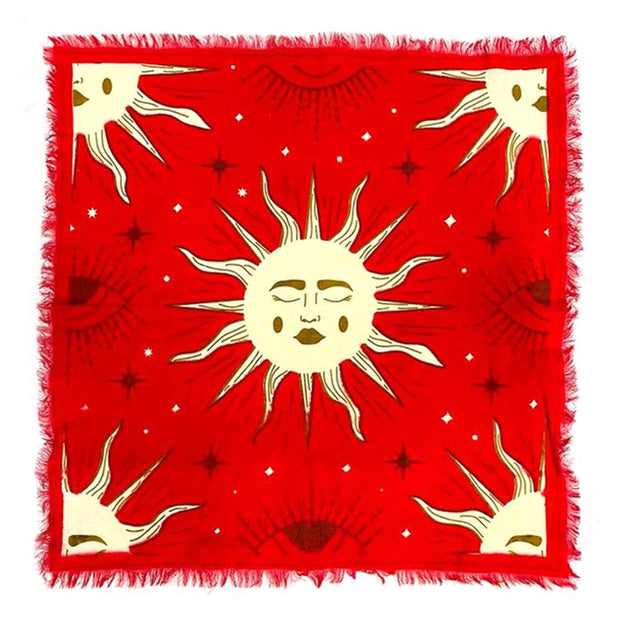
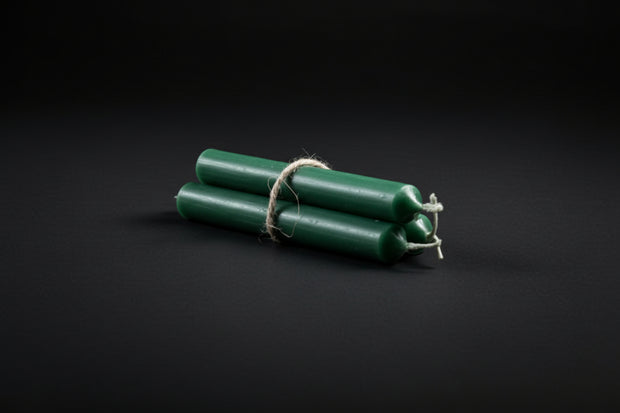
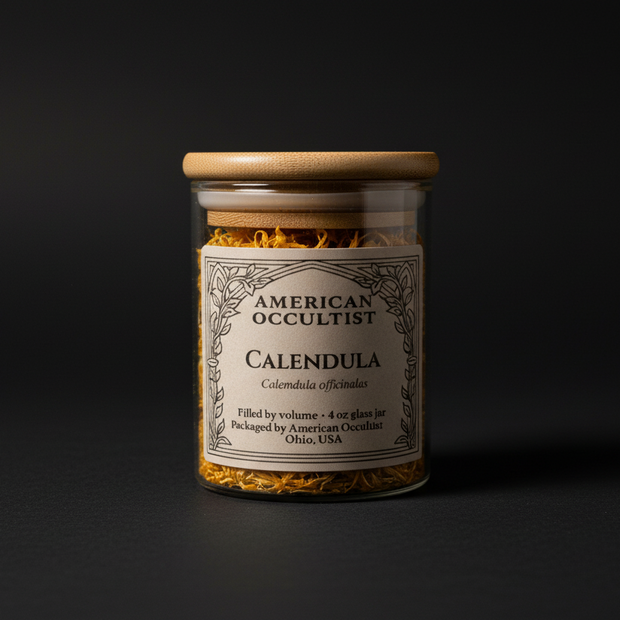
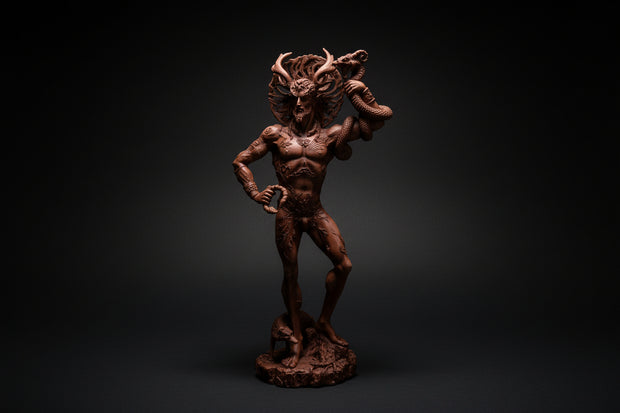
Shop this guide · 4 items Collapse


Keep exploring the shop
You made it to the end of the guide. Keep exploring through related products, major departments, or the full catalog.
 RELATED TO THIS GUIDE
Ritual Supplies & Altar Tools
Shop this topic
RELATED TO THIS GUIDE
Ritual Supplies & Altar Tools
Shop this topic


Leave a comment