


Ostara for Beginners: Spring Equinox Traditions, Altar Ideas, and a Simple Ritual

Ostara is a modern Pagan celebration of the spring equinox: the seasonal turning point when daylight is increasing, new growth is becoming visible, and many practitioners pause to consider balance, renewal, and what they want to cultivate next. It is commonly included among the eight festivals of the modern Wheel of the Year, especially in Wiccan and Wicca-influenced traditions.
For beginners, Ostara does not require an elaborate altar, a large outdoor ritual, or a collection of perfectly coordinated spring decorations. A meaningful observance can be as simple as noticing what is changing outside, cleaning one small space, setting a realistic intention, and taking one concrete step toward it.
This guide separates documented history from modern tradition, explains common Ostara symbols without overstating their origins, and offers practical ways to celebrate at home.
What Is Ostara?
Ostara is the name many modern Pagans use for a spring equinox festival. In the Northern Hemisphere, it is generally observed around March 19 to March 22, depending on the astronomical equinox and the practitioner’s tradition. In the Southern Hemisphere, the spring equinox occurs around September 21 to September 24.
The equinox is an astronomical event caused by Earth’s position and tilt in relation to the sun. At this point in the year, the sun crosses the celestial equator and both hemispheres receive nearly equal illumination. Day and night are often described as equal, although local daylight and darkness are not perfectly identical because of atmospheric refraction, geography, and how sunrise and sunset are measured.
In modern practice, Ostara frequently centers on themes such as:
- renewal and emerging growth
- balance and changing conditions
- beginnings, plans, and preparation
- fertility understood broadly as creativity and potential
- the return of visible plant and animal activity
- care for the home, garden, community, or local land
These themes can be spiritual, devotional, practical, or entirely symbolic. Not every practitioner understands the season through gods, spirits, or supernatural forces.
Ostara History: What Is Documented?
Ostara is often described online as an ancient festival with a fully known set of customs. The surviving evidence is much more limited.
The most frequently cited early source is the eighth-century English monk Bede. In his work on the calendar, Bede wrote that the Old English month corresponding roughly with April had been called Eosturmonath, which he associated with a goddess named Ēostre. This brief passage is important, but it does not provide a detailed festival, ritual script, mythology, altar arrangement, or list of sacred symbols.
Later scholars discussed possible linguistic and cultural connections, but the historical record remains incomplete. Modern Ostara celebrations therefore should not be presented as exact recreations of one clearly documented ancient rite.
The Ostara recognized by many Pagans today developed within the modern Wheel of the Year. That ritual calendar combines solstices, equinoxes, and seasonal festivals into an eight-part cycle. Its current form is modern, even though individual dates, agricultural customs, stories, and regional celebrations may draw inspiration from much older sources.
This does not make Ostara meaningless or inauthentic. Living religious traditions often interpret inherited material, respond to local seasons, and create new customs. Accuracy simply requires distinguishing modern practice from claims that cannot be demonstrated historically.
Celebrate the Season You Actually Live In
A seasonal practice becomes stronger when it responds to local reality rather than an idealized picture of spring. In some regions, the equinox brings flowers, birdsong, and soft weather. Elsewhere, snow remains on the ground, flooding begins, storms intensify, or the first signs of growth are still subtle.
Look for what is genuinely happening where you live:
- Which plants are budding or emerging?
- Which birds or insects have returned?
- Is the soil workable, frozen, dry, or waterlogged?
- How quickly is daylight changing?
- What household or community tasks become possible now?
Southern Hemisphere practitioners may observe the spring equinox in September rather than March. Some follow the Wheel according to their local seasons, while others retain dates connected to a particular religious community or heritage. Neither approach should be treated as universal. The important point is to understand what calendar you are using and why.
Ostara Themes Beyond Forced Positivity
Spring is often marketed as effortless rebirth, but real growth is uneven. Seeds fail. Weather changes abruptly. Energy does not return on command. A grounded Ostara practice can acknowledge hope without demanding cheerfulness.
Balance
Balance does not mean that every part of life receives equal time or that opposing forces become perfectly still. The equinox can instead represent active adjustment. Ask what needs more attention, what needs firmer boundaries, and what has become unsustainable.
Emergence
New growth is often small before it is impressive. Ostara is a useful time to recognize early progress that is easy to overlook: a new habit practiced twice, a difficult conversation begun, a workspace cleared, or a skill studied consistently.
Preparation
Spring celebrations are sometimes framed only as manifestation or wish-making. Yet planting also requires planning, tools, timing, and care. Pair each intention with a practical action that can be completed within the next week.
Renewal
Renewal does not always mean starting over. It may mean repairing something valuable, returning to an abandoned practice, changing an unrealistic plan, or making an existing commitment easier to sustain.
Common Ostara Symbols and Their Context
Symbols do not need an uninterrupted ancient pedigree to be meaningful. They should, however, be described honestly.
Eggs
Eggs appear in many seasonal, religious, and folk settings as symbols of life, potential, nourishment, and renewal. Decorated eggs are widely associated with spring and Easter customs. Modern Pagans often use real, wooden, ceramic, paper, or stone eggs on Ostara altars.
Using an egg-shaped symbol can be meaningful without claiming that every egg custom originated in a single pre-Christian Ostara festival. Reusable decorations also avoid food waste and are suitable for households that do not use animal products.
Hares and Rabbits
Rabbits and hares are now common spring symbols because of their seasonal visibility and reproductive associations. Claims that the hare was definitively the sacred animal of Ēostre are not supported by strong surviving historical evidence. It is more accurate to describe rabbits and hares as popular modern spring and Easter imagery that some Pagans have incorporated into Ostara.
Seeds and Shoots
Seeds directly express potential, patience, and the work required to sustain growth. Use seeds you can responsibly plant, keep a packet as an altar symbol, or write an intention on paper instead. Do not scatter commercial seed mixes outdoors unless the species are appropriate for your region and the landowner permits it.
Water
A bowl of clean water can represent thaw, rain, cleansing, and the resources growth requires. After ritual, use it to water a suitable houseplant rather than pouring it into a public place or leaving it outside as litter.
Flowers and Greenery
Locally grown flowers, nursery plants, fallen branches, and images of spring plants can mark the season. Avoid harvesting protected wildflowers or taking material from property without permission. Check plant toxicity before bringing flowers into homes with pets or young children.
Light and Dawn
A candle or flameless light can represent increasing daylight and renewed attention. Sunrise observation is optional; a person’s health, work schedule, mobility, or living situation may make a quiet daytime practice more appropriate.
How to Build a Simple Ostara Altar
An Ostara altar can be temporary, permanent, devotional, decorative, or practical. Begin with a stable surface that does not obstruct walkways, heating vents, cooking areas, or access needed by other household members.
Choose a few items with clear roles:
- A cloth or base: Use a washable cloth, tray, placemat, or bare surface.
- A seasonal object: Add a seed packet, small plant, reusable egg, branch, or photograph of local growth.
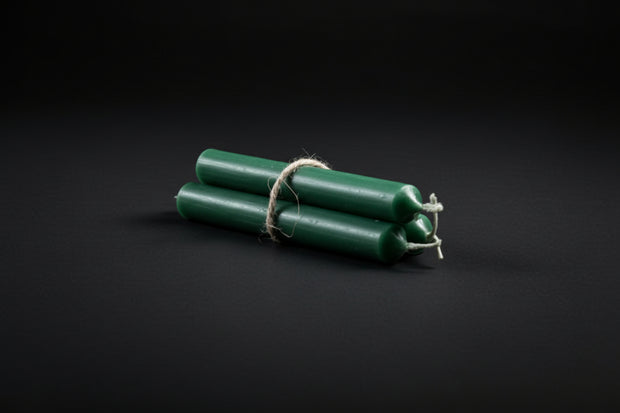
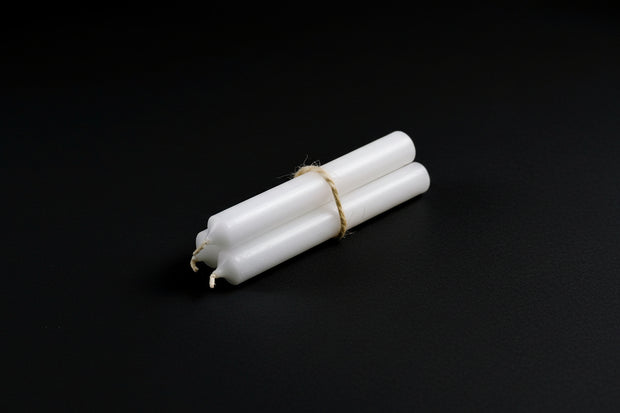
- A light: Use a candle in a stable holder or a flameless alternative.
- A bowl of water: Keep it away from electronics, books, and materials that can be damaged.
- A written intention: Name one realistic area of growth rather than filling the altar with vague wishes.
- An offering or act of reciprocity: Include a plan for a useful action, not merely an object that will later become waste.
Colors commonly used in modern Ostara practice include green, yellow, white, pale blue, and soft floral shades. These are options, not requirements. Your altar does not need to resemble a retail display to be spiritually meaningful.
Responsible Ostara Offerings
Offerings can express gratitude, devotion, hospitality, or reciprocity. They should also respect wildlife, local rules, shared spaces, and the needs of your household.
Low-waste options include:
- watering a plant
- picking up litter in a safe public area
- donating food, seeds, or gardening supplies
- supporting a local habitat or conservation project
- performing a song, prayer, poem, or devotional act
- repairing a neglected household or altar item
- preparing food to be eaten rather than abandoned
Do not leave bread, eggs, sweets, alcohol, salt, wax, ribbons, crystals, or unfamiliar plant material outdoors. Items described as biodegradable can still harm animals, introduce nonnative species, attract pests, or create work for land managers.
A Simple Ostara Ritual at Home
This beginner ritual is deity-neutral, smoke-free, and easy to adapt. You will need a small bowl of water, a seed or piece of paper, a pen if using paper, and a candle or flameless light.
1. Prepare the Space
Clear a small working area. You do not need to clean the entire home. Silence notifications when practical, gather your materials, and make sure pets and children cannot reach the water or flame.
2. Mark the Beginning
Light the candle or switch on the flameless light. Take several steady breaths. Say in your own words:
I pause at the turning of the season. I notice what is returning, what is changing, and what now needs my care.
3. Acknowledge Local Spring
Name three signs of the season that are actually present where you live. They may be dramatic or small: warmer afternoons, thawing soil, rain, a returning bird, swelling buds, or simply a longer period of daylight.
4. Consider Balance
Ask yourself:
- What is receiving too little care?
- What is consuming more energy than it should?
- What adjustment would make the next season more sustainable?
Choose one answer. Avoid turning the ritual into an impossible plan to repair every part of life at once.
5. Set One Intention
If you are using paper, write one specific intention and one action that supports it. For example: I will make my creative practice easier to begin by clearing the desk and scheduling two short sessions this week.
If you are using a seed, hold it while naming what you intend to cultivate. Plant it later only if you have appropriate soil, light, space, and permission. Otherwise, keep it as a symbol or return it to its packet.
6. Bless the Work
Touch the outside of the water bowl or hold your hands near it. Say:
May this beginning receive the attention, resources, patience, and honest work it needs.
Use the water on a suitable plant after the ritual.
7. Commit to the First Step
Name the first practical action aloud and decide when it will happen. This step keeps the ritual connected to daily life.
8. Close
Thank any deities, ancestors, spirits, natural forces, or personal values you included. Extinguish the candle completely or switch off the light. Put away the materials and complete the first action as soon as reasonably possible.
Flame-Free, Smoke-Free, and Accessible Alternatives
No part of Ostara requires incense, candles, outdoor travel, standing, speaking aloud, or handling plants. Adapt the practice to your body and environment.
- Use an LED candle, lamp, or image of sunrise instead of flame.
- Use music, a bell application, clapping, or silence instead of smoke cleansing.
- Observe the season through a window, livestream, weather record, or nature journal.
- Use artificial, paper, or photographed flowers when pollen, fragrance, pets, or access are concerns.
- Complete the ritual seated or lying down.
- Write, type, sign, or think the spoken portions.
- Ask another person to handle water, candles, or outdoor tasks when assistance is needed.
Accessibility is not a lesser version of ritual. A practice is successful when it is meaningful and workable for the person performing it.
Outdoor Ostara Practice and Ecological Care
Outdoor rituals should leave the area as clean as or cleaner than you found it. Check land rules, weather, trail conditions, fire restrictions, and accessibility before visiting. Stay on established paths where requested, and do not build unauthorized fires, dig holes, carve trees, stack stones, or remove natural objects.
A useful outdoor observance might involve a quiet walk, seasonal sketching, bird observation from a respectful distance, litter removal with proper protective equipment, or volunteering with a local garden or habitat group.
When planting, choose species appropriate to your location. “Wildflower” packets can contain plants unsuitable for a specific ecosystem. Local extension offices, native-plant organizations, nurseries, and land managers can provide better guidance than generic magical correspondence lists.
Ostara Food and Household Traditions
Food can mark the season without requiring a historically reconstructed feast. Choose familiar ingredients that suit your household, budget, culture, dietary needs, and local availability.
Possible themes include:
- fresh greens or early local produce
- eggs or plant-based egg alternatives
- bread, cakes, or simple shared meals
- sprouts, herbs, citrus, or preserved foods transitioning out of winter
- a meal prepared with attention to color, freshness, or reduced waste
Do not eat decorative plants, ritual oils, unidentified herbs, or flowers unless they are confirmed food-grade and appropriate for you. Keep ritual-only tools and ingredients separate from food preparation when their materials or cleanliness are uncertain.
How Ostara Relates to Other Seasonal Festivals
The Wheel of the Year presents the festivals as a cycle rather than isolated holidays. Imbolc often emphasizes early light, preparation, and the first subtle signs of change. Ostara turns attention toward visible emergence and spring balance. Beltane is commonly associated with flourishing life, warmth, vitality, and creative abundance.
Later in the cycle, harvest observances such as Lughnasadh invite practitioners to examine what their work has produced, what requires continued effort, and what can be shared. Connecting Ostara intentions to later review makes the Wheel a practical structure for reflection rather than a series of unrelated decorations.
Common Ostara Mistakes
Calling Every Custom Ancient
Modern symbolism is not invalid, but unsupported historical claims weaken otherwise useful education. Describe a custom as modern, regional, personal, or inspired by older material when that is what the evidence supports.
Ignoring the Local Season
Imported imagery can be beautiful, but it should not prevent you from noticing the land and weather around you. A snowy equinox is still a valid spring observance.
Treating Balance as Perfection
The equinox does not demand a flawless life. Use balance as a prompt for adjustment, not a standard that produces guilt.
Leaving Harmful Offerings
Intent does not erase ecological impact. Keep offerings contained, consumable by people, or expressed through service.
Buying More Than the Ritual Needs
Seasonal practice can become another reason to accumulate decorations. Use what you own, borrow, make reusable items, or center the observance on attention and action.
Using Unsafe Plants, Flames, or Food
Check allergies, pet toxicity, candle placement, ingredient identity, and food-contact safety. Spiritual purpose does not make a hazardous material safe.
Frequently Asked Questions
Is Ostara an ancient holiday?
Modern Ostara is part of the contemporary Pagan Wheel of the Year. It may draw inspiration from older seasonal customs and a limited early reference to Ēostre, but the complete modern festival is not a fully documented, unchanged ancient rite.
Is Ostara only for Wiccans?
No. Ostara is especially common in Wicca and Wicca-influenced Paganism, but eclectic Pagans, witches, nature-centered practitioners, and solitary celebrants may observe it as well. Other religions and Pagan traditions may use different calendars or spring festivals.
When should I celebrate Ostara?
Many celebrate on the astronomical spring equinox or on a convenient nearby day. Northern and Southern Hemisphere dates differ. Some groups follow a fixed ritual calendar, so community practice may also affect the date.
Do I need eggs, rabbits, or flowers?
No. These are optional modern symbols. A bowl of water, a written intention, a cleaned space, a seasonal meal, or careful observation of local change can be enough.
Can I celebrate Ostara alone?
Yes. The simple ritual in this guide is designed for solitary use, but it can also be adapted for a household or group.
What if spring has not arrived where I live?
Observe the transition that is actually occurring. Notice increasing light, changing weather, preparation work, or the earliest signs of movement. Seasonal spirituality does not require pretending the landscape looks different than it does.
Begin With One Honest Sign of Spring
Ostara can be colorful and celebratory, but its deepest value does not depend on decorations. The equinox offers a recurring opportunity to notice change, make an adjustment, choose what deserves cultivation, and support that choice with practical care.
Begin with one honest observation and one sustainable action. From there, your spring practice can grow in a way that reflects your beliefs, your household, and the living season around you.
Tools for this practice
Explore the products selected for this guide. Review each listing for what is included and how to use it.
Shop this guide · 4 items Collapse


Keep exploring the shop
You made it to the end of the guide. Keep exploring through related products, major departments, or the full catalog.


Leave a comment