


Petition Papers in Folk Magic: Writing, Folding, Placement, and Disposal

A petition paper gives a ritual a written center. It may contain a name, request, statement of intent, prayer, symbol, date, promise, or boundary. Once written, the paper can be folded, placed beneath a candle or object, carried, stored, sealed inside a container, or disposed of when the work is complete.
There is no single universal petition-paper method. Folk traditions, ceremonial systems, family customs, and modern practitioners use different wording, materials, folding directions, and disposal rules. A responsible approach identifies the purpose of the paper, preserves consent and safety, and avoids presenting one modern formula as ancient law.
What Is a Petition Paper?
A petition paper is a written statement used to focus a spiritual or magical working. Its function may be devotional, symbolic, practical, or all three. Common uses include:
- stating a request or goal;
- naming a person, household, business, or situation;
- recording a prayer or vow;
- defining a boundary;
- connecting a ritual object with a specific purpose;
- creating a written record that can later be reviewed or released.
The paper does not need elaborate language. Clear wording is usually more useful than dramatic phrasing copied from a source you do not understand.
Begin With the Real Purpose
Before writing, reduce the working to one sentence. Ask what you are trying to change, preserve, understand, invite, or end. Broad requests such as “fix everything” are difficult to evaluate. A narrower petition gives the ritual somewhere practical to land.
Compare:
- Too broad: “Bring me success.”
- More workable: “Support steady customer growth while I improve inventory, service, and local visibility.”
- Too controlling: “Make this person return to me.”
- More ethical: “Open the way for honest, mutual communication if both people freely choose it.”
The paper should not disguise coercion as spirituality. Another person’s consent remains relevant even when the request is written symbolically.
What to Write
A direct petition
State the desired condition in plain language. Present tense can create immediacy, but it is not mandatory. Use wording you can sincerely understand and support through action.
A name paper
A name paper identifies the person, household, organization, or matter connected with the work. Some practitioners repeat a name, cross it with another phrase, or arrange names in a particular pattern. These are tradition-specific methods rather than universal requirements.
A prayer or devotional request
When the working belongs to a religious practice, the petition may address a deity, ancestor, saint, spirit, or sacred principle. Use language appropriate to that tradition and avoid claiming a relationship or authority you have not established.
A boundary statement
Protection, separation, and banishing work often benefits from concrete wording: what is no longer permitted, what access is ending, and which real-world step supports the boundary.
A commitment
A petition can record what the practitioner will do, not only what they want. “I will submit three applications this week” gives the ritual an action bridge.
Names, Dates, and Identifying Details
Use only the information genuinely needed for the work. A full legal name, photograph, birth date, address, or private message may create unnecessary privacy risk. Do not collect or display personal information merely because a formula says more detail makes a spell stronger.
For your own work, a first name, initials, role, or clear description may be enough. For another person, consider whether involving them is ethical and whether direct conversation or evidence would be more appropriate.
Paper, Ink, and Materials
Ordinary paper and a dependable pen are sufficient. Color, handmade paper, special ink, and botanical ingredients may add symbolism, but they are optional.
- Paper: choose a size that fits the intended placement.
- Ink: use something legible and stable.
- Pencil: useful when revision or later erasure is part of the symbolism.
- Decorative paper: appropriate when its appearance supports the working and does not create disposal problems.
Avoid toxic inks, unknown powders, loose glitter, or flammable coatings when the petition will be placed near heat or flame.
Folding the Petition
Folding can symbolize concentration, concealment, attraction, release, or containment. Some practitioners fold toward themselves for drawing work and away for removal. Other traditions use different directional rules or none at all.
Choose a method intentionally:
- Fold inward: to contain or concentrate the written request.
- Fold toward yourself: a common modern method for attraction-oriented work.
- Fold away: a common modern method for release or separation.
- Leave unfolded: when the paper must remain readable, visible, or regularly reviewed.
- Roll or tie: when working with a bottle, charm bag, or compact container.
Do not keep refolding because anxiety says the first fold was imperfect. Small physical variations do not automatically destroy the working.
Where to Place It
Placement should match function and safety.
- Beneath a candle holder, never where paper can reach the flame.
- Inside a clean bottle or jar designed for dry contents.
- Under an altar cloth or devotional image.
- In a wallet, cash box, work planner, or application folder for goal-related work.
- Near a doorway for a clearly defined household boundary.
- Inside a journal or storage box for long-term private work.
- Carried in a pouch when the paper is protected from moisture and damage.
For container work, review The Complete Life Cycle of a Spell Jar. For candle safety and structure, see Candle Magic 101.
Activating the Paper
Activation is the moment the writing is intentionally incorporated into the working. You might read it aloud, pray over it, trace a symbol across it, anoint only the corners with a suitable oil, place it under a ritual object, or simply sign and date it.
Use very little oil on paper and keep oil-soaked paper away from flame. Follow product directions and remember that natural oils can still irritate skin, damage surfaces, or increase flammability.
Petitions and Sigils
A sigil can be drawn on the petition, created from its wording, or used separately. The petition preserves readable meaning; the sigil condenses the intention into a symbol. Neither method is required.
See Sigil Magic: Creating, Charging, and Activating Symbols of Intention for a structured approach.
How Long Should It Remain in Place?
Set an end condition before beginning. The paper might remain until:
- a candle series is complete;
- a decision date arrives;
- a practical goal is met;
- a monthly or seasonal review occurs;
- the request is withdrawn;
- the paper becomes unsafe, damaged, or emotionally burdensome.
Without an end condition, petitions can accumulate until the altar becomes a storage problem. A completed paper may be archived, dismantled, or disposed of.
Reviewing Results
Record the wording before the paper is folded or destroyed. At the review date, compare the original request with observable outcomes. Do not rewrite the petition in memory to make every result look successful.
Our guide What Happens After You Cast a Spell? explains waiting, signs, practical action, and honest evaluation.
Disposal and Release
Disposal should be lawful, safe, and environmentally responsible.
- Archive: keep the paper in a journal or labeled envelope.
- Shred: appropriate for privacy and symbolic release.
- Recycle: when the paper and ink are accepted locally and privacy is not a concern.
- Trash: appropriate for waxed, oiled, contaminated, or private material.
- Soak: can symbolize dissolution, but dispose of the resulting paper responsibly.
- Burn: optional and only in a legal, ventilated, fire-safe setting.
Do not bury coated paper, wax, glitter, salt, oil, or ink outdoors. Do not leave petitions at crossroads, cemeteries, waterways, or another person’s property. Read Proper Disposal of Ritual Remnants for broader guidance.
Common Mistakes
- Using language so vague that no result can be evaluated.
- Writing a demand that ignores another person’s consent.
- Placing paper where it can ignite.
- Adding too much oil or wet material.
- Keeping every petition forever out of fear.
- Repeating the same request every time anxiety rises.
- Including private identifying information that is not needed.
A Simple Petition Template
- Name the situation.
- State the desired condition.
- Name the action you will take.
- Define any ethical boundary.
- Add a review date.
- Sign or initial the paper if appropriate.
“I support steady progress toward [goal] through [practical action]. May this work remain mutual, lawful, safe, and aligned with clear evidence. I will review it on [date].”
Tools for Written Ritual Work
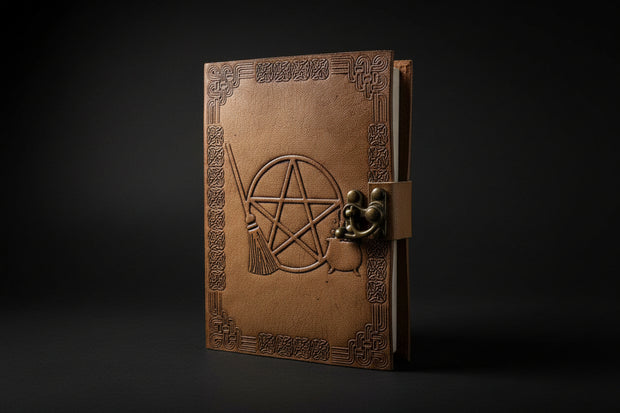
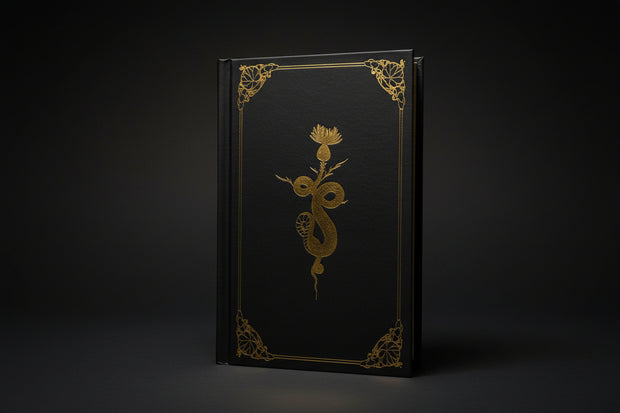
For a dedicated record, consider the Pentagram Broom Leather Journal or the Devotion Gilded Grimoire. You can also explore Ritual Supplies, Candles, and Ritual Oils. Tools should clarify the work, not replace consent, planning, or action.
Frequently Asked Questions
Do I have to write in a special color?
No. Color can add symbolism, but clear and durable writing matters more.
Should a petition be written in present tense?
It can be, but present tense is not mandatory. Use wording that accurately expresses the request and does not force you to pretend an outcome already exists.
Can I type and print a petition?
Yes. Handwriting may feel personal, while typing can improve readability, accessibility, and privacy. The method should serve the purpose.
Can I change a petition after beginning?
Yes. If the goal, evidence, or ethical situation changes, close the old version and write a revised one rather than pretending the original wording still fits.
Must I burn the paper?
No. Archiving, shredding, recycling, soaking, or ordinary disposal may be safer and more appropriate.
Clear Writing Creates Clearer Practice
A petition paper is useful because it makes intention visible. Write only what you understand, connect it to real action, handle personal information carefully, and decide from the beginning how the paper will be reviewed and retired.
Tools for this practice
Explore the products selected for this guide. Review each listing for what is included and how to use it.
Shop this guide · 2 items Collapse


Keep exploring the shop
You made it to the end of the guide. Keep exploring through related products, major departments, or the full catalog.
 RELATED TO THIS GUIDE
Ritual Supplies & Altar Tools
Shop this topic
RELATED TO THIS GUIDE
Ritual Supplies & Altar Tools
Shop this topic


Leave a comment