


Sigil Forge Master Set — A Sigil Creation System

Traditional letter-reduction sigils can be created with paper and a pencil. A statement is simplified, the remaining letters are combined, and the practitioner refines the result into a personal symbol.
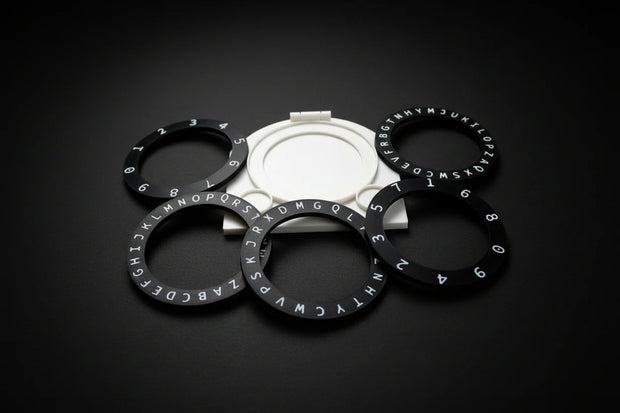
The Sigil Forge Master Set expands the construction stage by providing several alphabet and numeric mapping systems. The same intention can be processed through different engines, allowing practitioners to compare multiple symbolic structures before choosing a finished design.
The tools create starting frameworks. The practitioner still decides what the intention means, how the symbol is refined, how it is charged, and how it is activated.
What the Master Set Includes
The collection combines five Sigil Forge systems:
Alphabet systems
Numeric systems
Each engine changes how letters or numbers are organized. This creates different paths through the same underlying intention.
Sigil Forge Classic Edition
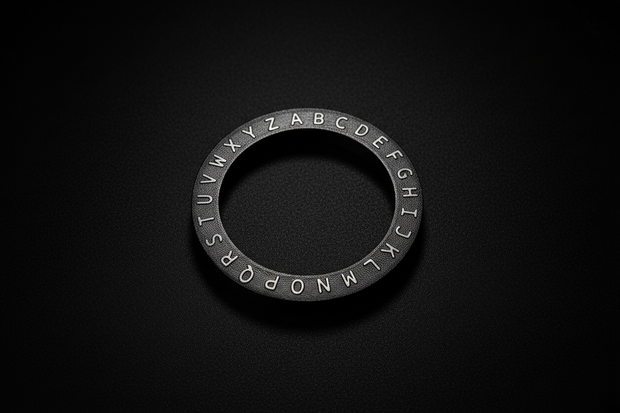
The Classic Edition uses the standard alphabetical sequence:
A B C D E F G H I J K L M
N O P Q R S T U V W X Y Z
This ordered structure provides a predictable reference point and is useful when the practitioner wants a straightforward alphabet-based system.
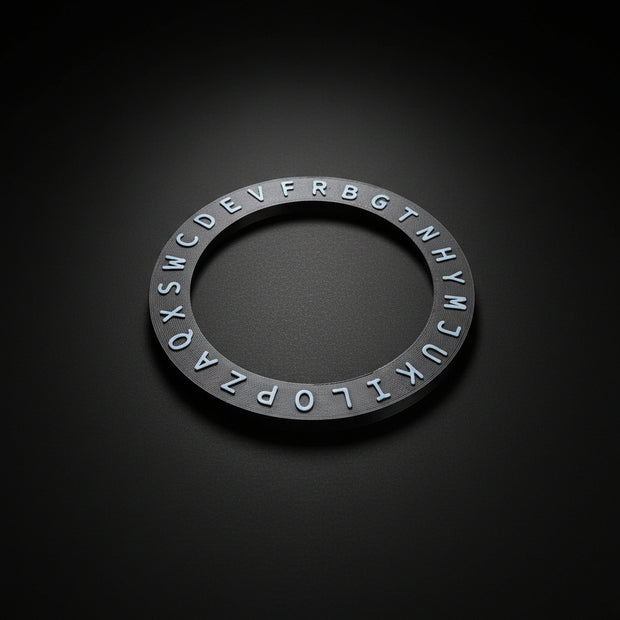
Sigil Forge Cypher Edition
The Cypher Edition rearranges the alphabet before the intention is translated. Because the letters are no longer placed in ordinary order, the resulting paths and forms can become more abstract.
This edition is useful for practitioners who want the finished sigil to move farther away from recognizable alphabetical structure.
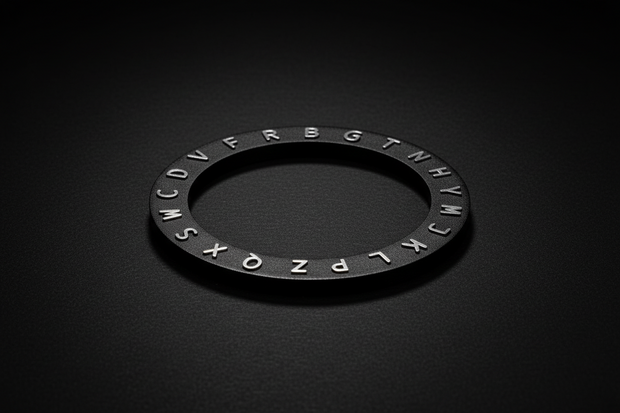
Sigil Forge Chaos Edition
The Chaos Edition removes common vowels and works with a rearranged consonant set. Reducing the alphabet changes both the available points and the density of the resulting design.
The method can produce simpler or less immediately readable structures, particularly when the original intention contains repeated vowel sounds.
Codex Ordinem
Codex Ordinem converts letters into an ordered numeric framework based on the digits:
0 1 2 3 4 5 6 7 8 9
The resulting number sequence can then be plotted or translated into a geometric sigil. The ordered arrangement makes it easier to repeat the same method with multiple statements.
Codex Discordia
Codex Discordia uses a rearranged numeric order. The letters are translated through the altered sequence, producing a different path from the same written intention.
This system is useful for comparison: a practitioner can process one statement through both numeric engines and observe how the changed mapping affects the final structure.
One Intention, Several Possible Designs
Consider a statement such as “I maintain focus and clarity.” After the wording is refined, it can be processed through each engine.
- The Classic Edition may produce a more orderly alphabet-based route.
- The Cypher Edition may create a less recognizable letter pattern.
- The Chaos Edition may reduce the design by removing vowels.
- Codex Ordinem may create a repeating numeric geometry.
- Codex Discordia may produce a more irregular numeric route.
None of these outcomes is automatically the correct one. The systems provide alternatives that the practitioner can compare and refine.
How to Use the Master Set
- Write one clear intention.
- Simplify the statement according to the chosen method.
- Process it through one Sigil Forge engine.
- Save or sketch the resulting structure.
- Repeat with additional engines when comparison is useful.
- Choose one design and simplify it into a practical sigil.
- Charge and activate the finished symbol.
The engine is only the construction tool. For intention writing, read How to Write Effective Sigil Intentions. For the larger ritual framework, read Sigil Magic: Creating, Charging, and Activating Symbols of Intention.
Why Compare Multiple Systems?
Working with several mapping systems can help practitioners:
- compare ordered and rearranged structures;
- explore alphabet and numeric construction;
- develop a personal design vocabulary;
- identify which forms are easiest to carve, draw, remember, or display;
- study how a change in method alters the visible result.
The value is not complexity for its own sake. The value is having a controlled way to generate and compare alternatives.
Keep the Final Sigil Practical
A generated framework may contain more lines than the final sigil needs. Remove clutter, combine repeated forms, and refine the design until it can be used in the intended setting.
A sigil meant for a candle may need bold, simple lines. A journal sigil can contain finer detail. A household plaque may need a balanced shape that remains clear at a distance.
Complete the Ritual Process
After construction, continue with charging and activation. The Master Set does not determine the spiritual meaning of the intention and does not guarantee an outcome. It is a creative system for turning language into structured visual options.
Explore the complete Sigil Forge Master Set or select an individual alphabet or numeric edition based on the type of construction you want to practice.
Sigil Forge products are creative and ritual tools. Sigil practice is symbolic and should not replace medical, mental health, legal, financial, safety, or emergency assistance.
Tools for this practice
Explore the products selected for this guide. Review each listing for what is included and how to use it.
Shop this guide · 4 items Collapse


Keep exploring the shop
You made it to the end of the guide. Keep exploring through related products, major departments, or the full catalog.
 RELATED TO THIS GUIDE
Ritual Supplies & Altar Tools
Shop this topic
RELATED TO THIS GUIDE
Ritual Supplies & Altar Tools
Shop this topic


Leave a comment