


Signs, Omens & Deity Communication: A Grounded Guide

People in Pagan, polytheist, and devotional traditions sometimes interpret dreams, recurring symbols, divination, or meaningful coincidences as part of their spiritual lives. These experiences can be personally important, but there is no universal checklist that proves a deity is communicating. A responsible approach leaves room for symbolism, cultural context, ordinary explanations, and careful reflection.
What Signs and Omens Mean in Deity Work
A bird at the window, a repeated number, a vivid dream, a sudden emotion, or a candle flame moving can feel significant. It can also have an ordinary cause. Weather, wildlife behavior, stress, expectation, sleep patterns, ventilation, electrical issues, and coincidence should be considered before assigning a supernatural meaning.
Spiritual interpretation is best treated as a reflective practice rather than a test of certainty. An experience may help you examine your values or deepen a devotional relationship without becoming proof that an outside being has issued a command.
A Grounded Discernment Process
- Record the event first. Note the date, setting, emotional state, and exact details before interpreting them.
- Check ordinary explanations. Consider the environment, technology, health, stress, recent media, and expectations.
- Study the tradition. Compare the experience with documented mythology, historical worship, reputable scholarship, and established modern practice.
- Avoid forcing patterns. Increased attention can make ordinary repetitions feel unusually frequent.
- Evaluate the result. A useful interpretation should encourage ethical, thoughtful, reality-based action rather than panic, isolation, or reckless choices.
Common Forms of Devotional Experience
Dreams
Dreams draw on memory, emotion, mythology, and daily concerns. Record them before deciding what they mean. Compare recurring imagery with historical sources, but keep the interpretation tentative.
Nature and Repeated Symbols
Animals, plants, weather, and repeated images can become personal devotional symbols. Observe them respectfully without disrupting wildlife, trespassing, or assuming every encounter is a message.
Divination
Tarot, runes, pendulums, and similar tools can support reflection, but they are influenced by framing, expectation, and interpretation. Do not use divination as the sole basis for medical, legal, financial, safety, or relationship decisions.
Prayer and Meditation
Prayer, contemplation, or journaling can help clarify what a deity represents within your practice. Thoughts and impressions that arise are still personal experiences and should not automatically be treated as external instructions.
How to Research Deity-Specific Symbols
Begin with the culture and period connected to the deity. Look for surviving myths, inscriptions, hymns, temple records, folklore, and modern scholarship. Clearly separate historically documented material from modern correspondences and personal associations. A symbol popular on social media may not have been part of older worship.
A Simple, Safe Devotional Exercise
- Choose a quiet place and remove distractions.
- Place a written name, image, or other nonflammable symbol nearby.
- State a simple purpose, such as learning about a virtue, myth, or area of life associated with the deity.
- Spend several minutes reading, reflecting, or journaling.
- Choose one practical action, such as studying a historical source, creating art, volunteering, or caring for the natural world.
- Close by expressing thanks and returning to ordinary activity.
When to Pause the Practice
Step back if searching for signs causes fear, loss of sleep, compulsive checking, unsafe behavior, isolation, or a sense that threatening instructions must be obeyed. Speak with someone you trust and consider support from a qualified mental-health professional. Spiritual practice should not replace appropriate care.
Frequently Asked Questions
What counts as a sign from a deity?
There is no objective universal test. Practitioners may interpret an event symbolically, but ordinary explanations and historical context should always be considered.
Can divination confirm that a deity is speaking?
Divination can support reflection, but it cannot provide unquestionable confirmation. Its results depend heavily on the question, method, expectation, and interpretation.
When should I stop looking for signs?
Pause when the practice causes distress, compulsive behavior, lost sleep, isolation, or pressure to make unsafe decisions.
Related Reading
Tools for this practice
Explore the products selected for this guide. Review each listing for what is included and how to use it.
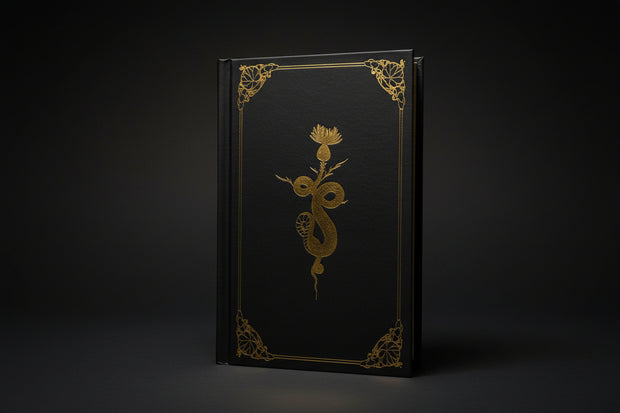
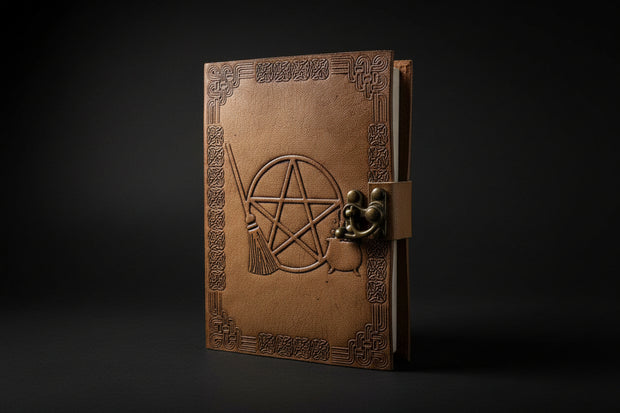
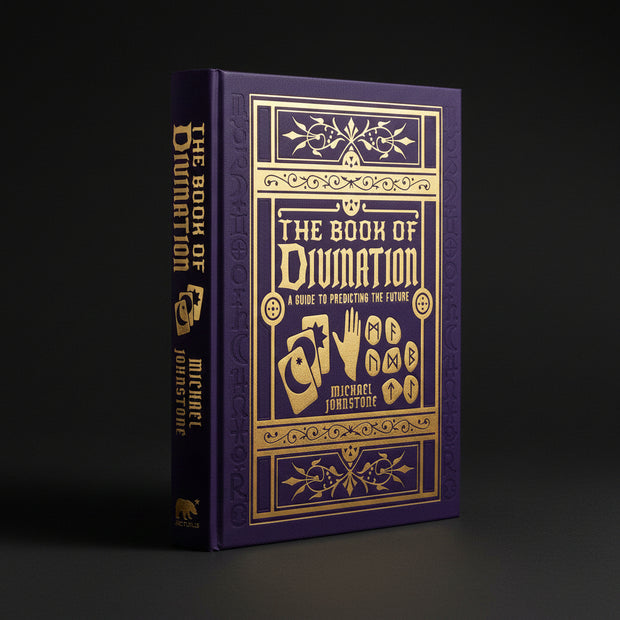
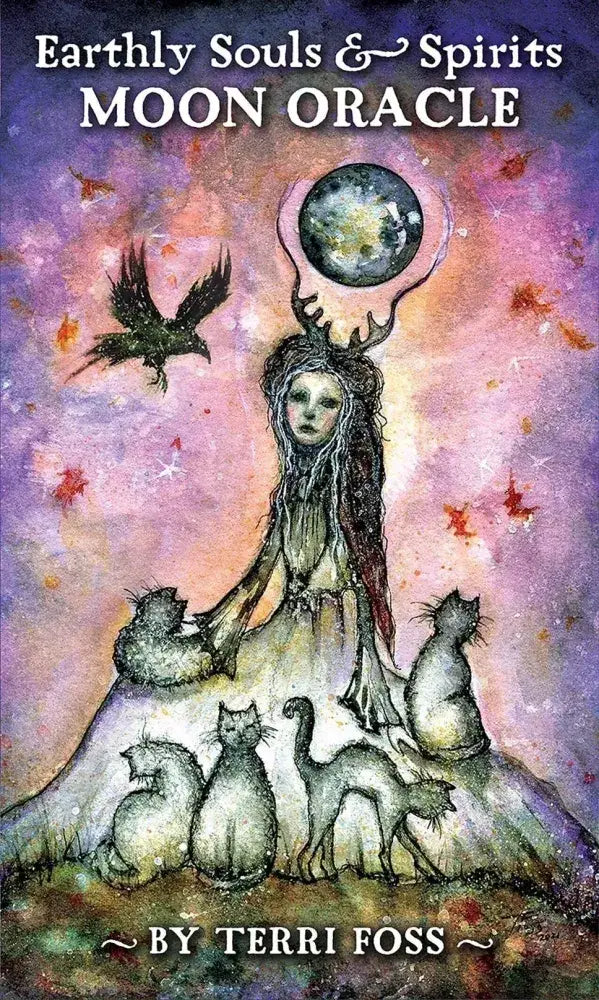
Shop this guide · 4 items Collapse


Keep exploring the shop
You made it to the end of the guide. Keep exploring through related products, major departments, or the full catalog.
 RELATED TO THIS GUIDE
Ritual Supplies & Altar Tools
Shop this topic
RELATED TO THIS GUIDE
Ritual Supplies & Altar Tools
Shop this topic


Leave a comment