


Best Hedge Witch Books and Study Path: Where to Start and What to Read Next

A useful hedge witch library should do more than repeat lists of herbs, tools, and correspondences. It should help the reader distinguish modern practice from historical evidence, understand trance and spirit-work methods, study plants safely, and record personal experience without treating every claim as universal fact.
No single book represents all hedge witchcraft. The term is used differently by solitary witches, folk practitioners, trance workers, animists, and eclectic practitioners. A balanced reading path therefore combines several kinds of sources.
Start With a Broad Orientation
Before specializing, learn how modern writers use the term “hedge witch” and how it overlaps with green witchcraft, kitchen witchcraft, folk magic, and solitary practice.
Begin with:
- What Is a Hedge Witch? Meaning, History, and Modern Practice
- Hedge Witch vs Green Witch vs Kitchen Witch
- Hedge Witchcraft: A Practical Guide
These overviews provide a map of the subject. They should not be treated as proof that every practitioner follows the same beliefs or methods.
A Common Modern Introduction
Hedge Witch: A Guide to Solitary Witchcraft by Rae Beth
This title is frequently encountered in modern solitary-witchcraft reading lists. It presents a personal approach to practice, ritual, nature, and spiritual development.
Read it as one author’s system rather than as a complete historical account of hedge witchcraft. Note which ideas are presented as personal practice, which are tied to modern Paganism, and which claims require independent historical verification.
For Hedge Riding and Trance Study
Pagan Portals: Hedge Riding by Joanna van der Hoeven
This focused introduction discusses hedge riding as a form of trance and spirit-journey practice. It is useful for readers who already understand basic grounding and want a more specific discussion of symbolic landscapes and journey structure.
Pair any trance-oriented book with practical safety guidance. Our Hedge Riding for Beginners guide covers preparation, stopping conditions, grounding, and aftercare.
Study Folklore Separately From Modern Practice
Books written for practitioners often combine folklore, personal belief, and modern ritual instruction. That mixture can be meaningful, but readers should know which type of claim they are reading.
For historical and folkloric claims, look for:
- named primary sources;
- bibliographies and footnotes;
- specific regions and time periods;
- acknowledgment of disagreement or uncertainty;
- clear separation between trial records, folklore collections, and modern reconstruction.
Be cautious when a book describes a practice as universally ancient without identifying where, when, and by whom it was documented.
Books on Plants and Herbal Practice
Plant-centered study should include both magical lore and dependable botanical safety. A correspondence book may explain symbolism, but it is not a substitute for a regional field guide, toxicology information, or medical advice.
A strong plant-study shelf may include:
- a regional plant-identification guide;
- a book on local ecology and ethical foraging;
- a historical or folkloric plant reference;
- a separate magical correspondence book;
- a personal materia magica or field journal.
Read Hedge Witch Herbs before ingesting, burning, applying, or foraging any plant.
Books on Folk Magic and Household Practice
Hedge witchcraft often overlaps with household protection, charms, threshold customs, seasonal observation, and relationships with place. Regional folk-magic studies can provide context, but traditions should not be treated as interchangeable.
When studying a regional practice:
- identify the community and historical setting;
- learn whether the practice is public, initiatory, family-based, or culturally restricted;
- avoid removing a ritual from its religious or social context merely because it appears useful;
- distinguish documented custom from an author’s modern adaptation.
Build a Five-Layer Hedge Witch Library
1. Orientation
One broad modern introduction that clearly states its perspective.
2. Trance and inner work
One focused book on meditation, journey work, dream practice, or altered states, paired with safety and grounding information.
3. Folklore and history
At least one source that is not written as a spellbook and includes citations.
4. Plants and place
A local field guide, ecological reference, and separate magical plant source.
5. Personal records
A journal for source notes, exercises, outcomes, questions, and revisions.
A Twelve-Week Study Path
- Weeks 1–2: Read a broad introduction and define unfamiliar terms.
- Weeks 3–4: Compare hedge, green, kitchen, and folk-oriented approaches.
- Weeks 5–6: Study grounding, visualization, and safe trance preparation.
- Weeks 7–8: Begin local plant and seasonal observation without harvesting.
- Weeks 9–10: Read a cited historical or folkloric source related to one practice.
- Weeks 11–12: Review notes and choose the next focused subject.
Do not rush into spirit work, intense trance, unknown herbs, or outdoor rituals simply because a book presents them dramatically.
How to Evaluate a Hedge Witch Book
Before buying or relying on a source, ask:
- Does the author identify their tradition or personal perspective?
- Are historical claims supported?
- Does the book distinguish belief from fact?
- Are plant, fire, smoke, trance, and mental-health risks addressed?
- Does it add depth beyond material already in your library?
- Does it acknowledge the limits of the author’s experience?
Combine Reading With Practice
Read in small sections, test only low-risk exercises, and record what actually occurred. A simple altar or journal practice can teach more than collecting elaborate tools without a method.
For a functional setup, see The Hedge Witch Altar and Tools.
Find the Next Book Deliberately
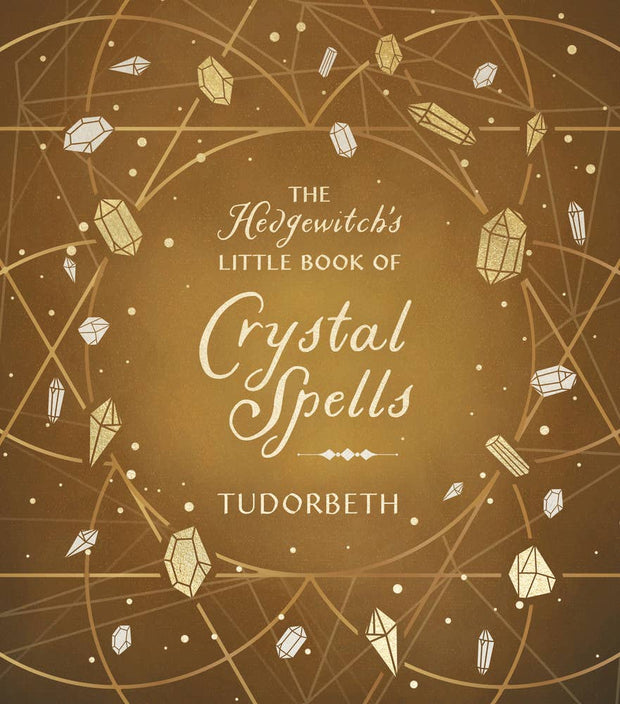
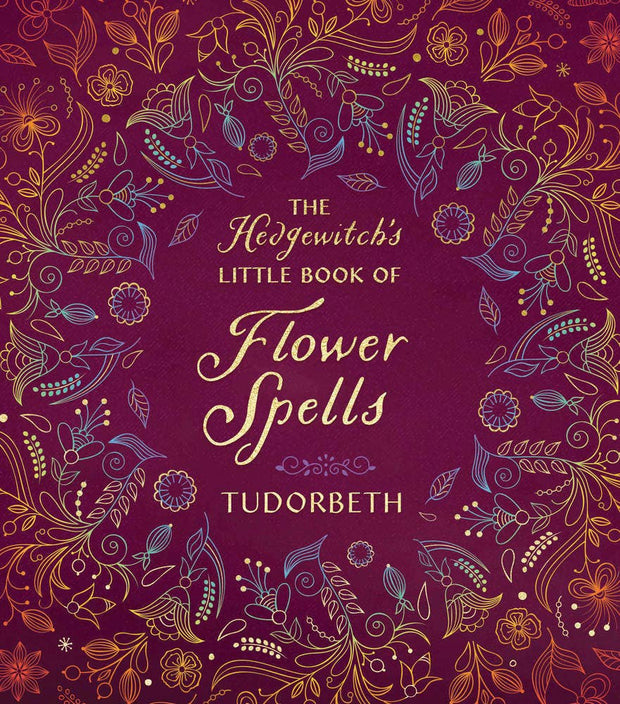
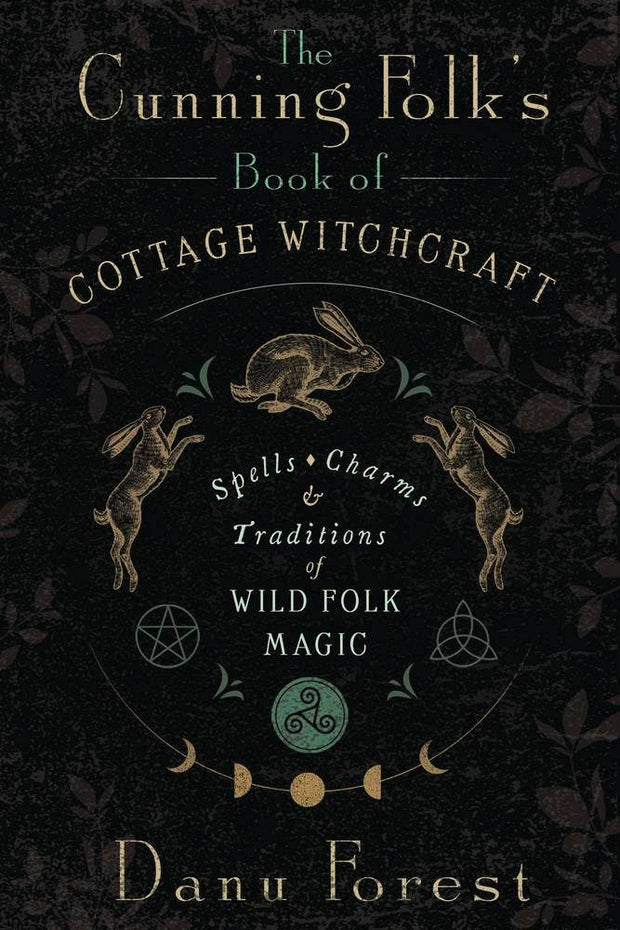
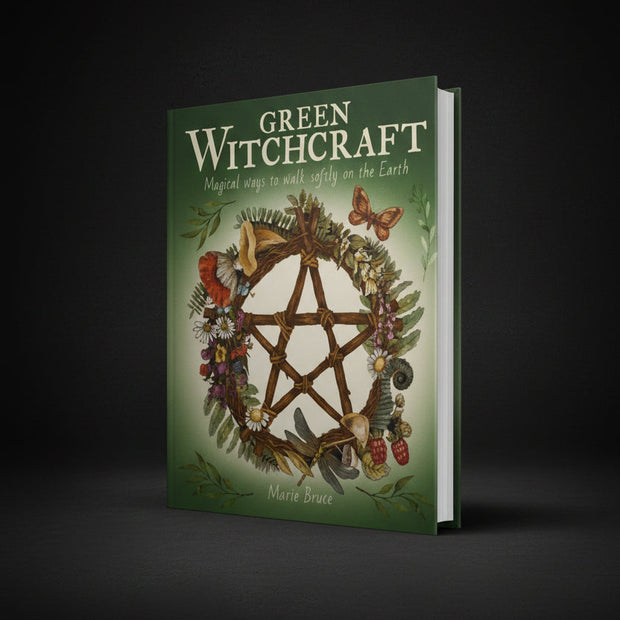
Browse the Printed Works collection by the question you are trying to answer—not by the idea that every practitioner needs the same shelf. Choose books that deepen a method, add a credible perspective, or provide a reference you will use repeatedly.
Hedge witchcraft books describe spiritual, folkloric, and symbolic practices. They should not replace medical or mental-health care, and plant or trance instructions require independent safety judgment.
Tools for this practice
Explore the products selected for this guide. Review each listing for what is included and how to use it.
Shop this guide · 4 items Collapse


Keep exploring the shop
You made it to the end of the guide. Keep exploring through related products, major departments, or the full catalog.


Leave a comment