


The Black Mass: Sacred Inversion, Cultural Fear, and Ritual Rebellion

The Black Mass is a ritual or literary form that reverses elements associated with the Catholic Mass. Its history includes accusations against heretics and witches, seventeenth-century scandal, nineteenth-century fiction, LaVeyan psychodrama, and modern political or artistic performance.
Historical research does not support the idea of one continuous secret Black Mass tradition preserved unchanged from the Middle Ages to the present.
Medieval Accusation and Ritual Inversion
Medieval and early modern authorities accused alleged heretics and witches of renouncing baptism, desecrating the Eucharist, parodying Christian ritual, and worshiping the Devil.
Historians caution that these narratives often reflect theological expectations, forced confessions, polemic, and demonological theory rather than independently documented Satanic communities.
The Affair of the Poisons
The seventeenth-century Affair of the Poisons in France produced some of the earliest documented allegations resembling later Black Mass imagery. Testimony described inverted liturgy and ritualized sacrilege connected with court scandal and criminal proceedings.
The reliability of individual claims remains debated, and the episode does not establish a widespread organized Satanic religion.
Nineteenth-Century Literary Development
The modern popular image of the Black Mass owes much to literature, particularly Joris-Karl Huysmans’ 1891 novel Là-bas.
Romantic and Decadent writers also transformed Satan and Lucifer into figures of rebellion, liberation, tragedy, and anti-clerical opposition. Fictional representations influenced later occult aesthetics and public expectations.
Modern Satanic Reinterpretation
LaVeyan Psychodrama
Anton LaVey included a Black Mass adaptation in The Satanic Rituals. Because LaVeyan Satanism is non-theistic, the ceremony was framed as symbolic rebellion and psychological release rather than worship of a literal Devil.
Public Performance and Protest
Some modern non-theistic groups have used staged Black Mass imagery as political commentary, parody, or critique of religious privilege.
Theistic Interpretation
Independent theistic practitioners may interpret inversion devotionally, although no single ritual format represents all theistic Satanism.
What Sacred Inversion Means
- Religious critique: Reversing a dominant ritual exposes assumptions about authority and sacred order.
- Identity formation: Inversion can mark separation from a former religious identity.
- Psychological release: Symbolic parody may help process anger, trauma, or rejection.
- Political performance: Public ceremony may challenge religious privilege or censorship.
- Devotional rebellion: Theistic practitioners may understand inversion through their own theology.
The Satanic Panic
During the 1980s and early 1990s, Black Mass imagery appeared repeatedly in allegations of organized Satanic ritual abuse. Researchers examining the period found that rumor, media amplification, suggestive interviewing, and moral panic shaped many of those claims.
Historical or religious discussion of the Black Mass should therefore be separated from unsupported conspiracy narratives.
Frequently Asked Questions
Is the Black Mass an ancient unbroken ritual?
No. Its recognizable modern form developed through accusation, scandal, literature, occult adaptation, and contemporary performance.
Does every Satanist perform a Black Mass?
No. Many Satanists never use the ritual, and some reject it as too dependent on Christianity.
Is every Black Mass theistic?
No. It may be theatrical, political, psychological, artistic, anti-clerical, or devotional depending on the practitioners.
Related Reading
Selected References
- Cohn, Norman. Europe’s Inner Demons.
- Dyrendal, Asbjørn, James R. Lewis, and Jesper Aa. Petersen. The Invention of Satanism.
- Faxneld, Per. Satanic Feminism.
- Kieckhefer, Richard. European Witch Trials.
- van Luijk, Ruben. Children of Lucifer.
- Victor, Jeffrey S. Satanic Panic.
Tools for this practice
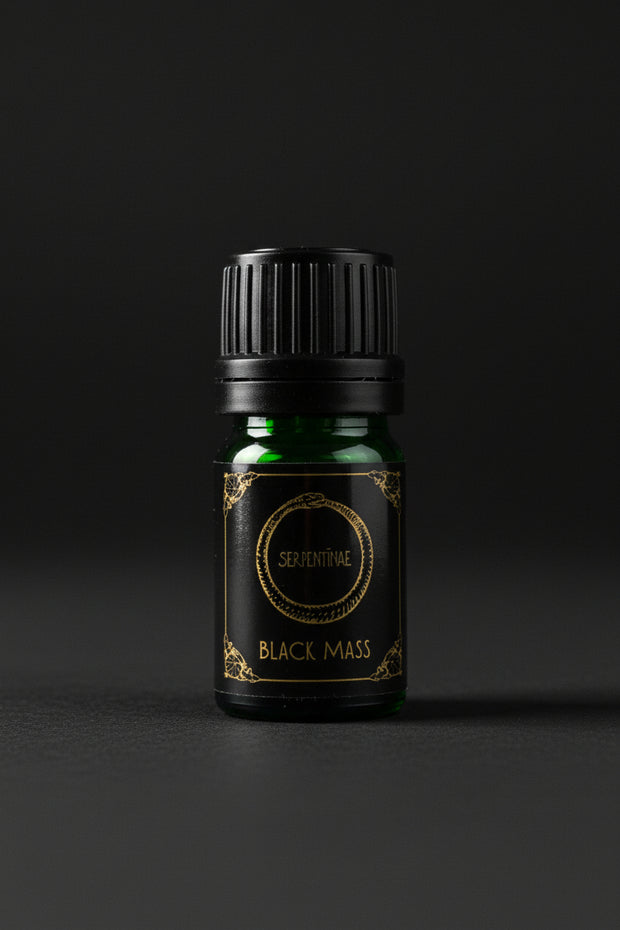
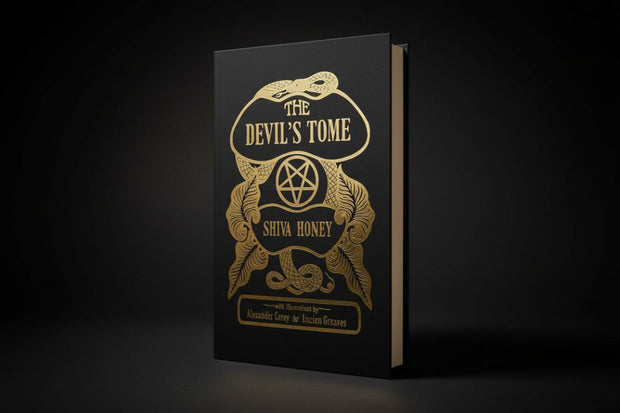
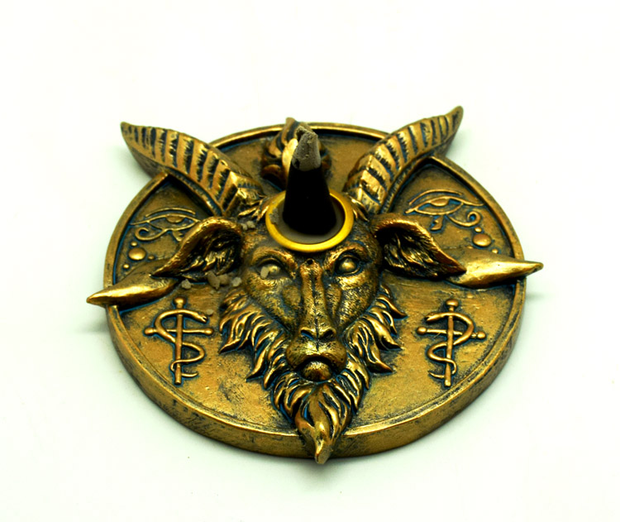
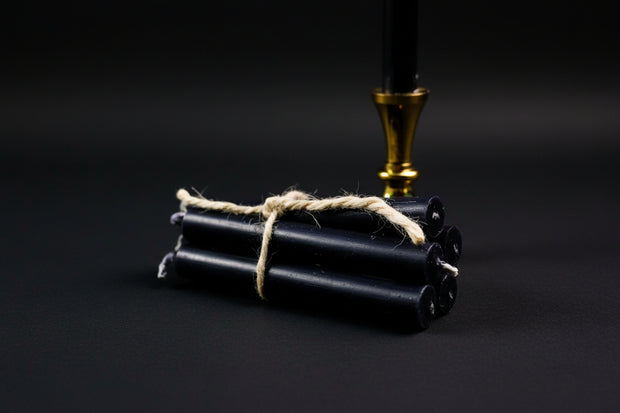
Explore the products selected for this guide. Review each listing for what is included and how to use it.
Shop this guide · 4 items Collapse

Keep exploring the shop
You made it to the end of the guide. Keep exploring through related products, major departments, or the full catalog.
 RELATED TO THIS GUIDE
Ritual Supplies & Altar Tools
Shop this topic
RELATED TO THIS GUIDE
Ritual Supplies & Altar Tools
Shop this topic


Leave a comment