


Why Ritual Reversal Matters in Satanic Philosophy

Ritual reversal is the deliberate inversion of a religious symbol, ceremony, title, direction, or sacred relationship. Within Satanic philosophy, reversal can express autonomy, critique inherited authority, process former religious identity, or create an adversarial identity.
It is more than visual provocation. The reversed structure depends on the original ritual’s cultural power and changes its meaning through parody, rejection, reclamation, or devotional realignment.
Inversion as a Structural Mirror
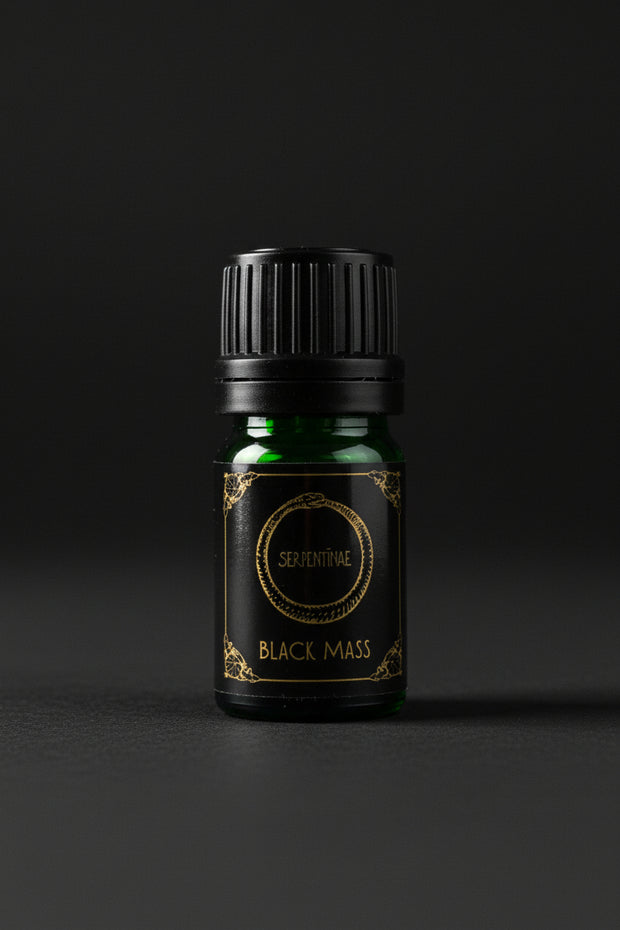
A Black Mass mirrors elements of the Catholic Mass. Unbaptism mirrors a religious initiation. Reversed symbols retain their connection to the original while changing allegiance, tone, and authority.
- Original ritual: Confirms belonging or sacred authority
- Reversed ritual: Questions, rejects, mocks, or redirects that authority
- Psychological effect: Makes abstract separation physically and emotionally memorable
- Social effect: Creates a visible boundary between identities or communities
Historical Fear of Reversal
Medieval and early modern authorities frequently accused heretics and witches of reversing Christian rites. Historians have shown that many such descriptions came from theological imagination, interrogation, and polemic rather than documented independent Satanic liturgy.
The fear itself reveals the perceived power of sacred symbols. If a rite can be reversed, then identity and authority may appear less permanent than institutions claim.
Romantic and Literary Revaluation
Romantic and Decadent writers reimagined Satan and Lucifer as rebels, tragic heroes, or liberators. This transformed inversion from an accusation of evil into a possible symbol of intellectual or spiritual freedom.
Modern Satanism inherited much of its adversarial language through this literary transformation.
Ritual Reversal in Modern Satanism
LaVeyan Psychodrama
In non-theistic Satanism, inversion may be used as dramatic emotional release. The practitioner does not need to believe the original sacrament or supernatural adversary is literally real.
Theistic Devotion
Theistic practitioners may interpret reversal as changing spiritual allegiance, dedicating themselves to an adversarial deity, or rejecting a former covenant.
Activism and Public Performance
Modern public rituals may use inversion to criticize religious privilege, compulsory belief, censorship, or institutional power.
Personal Deconversion
A private reversed ritual can help someone mark the end of a former identity, especially when childhood participation was not freely chosen.
The Philosophical Meaning of Reversal
Ritual reversal can express several recurring Satanic principles:
- The individual may question inherited authority.
- Religious identity is not beyond withdrawal or reinterpretation.
- Sacred symbols receive power through communities and belief.
- Opposition can become a positive identity rather than only a rejection.
- Ritual can transform fear or shame into deliberate self-definition.
Limits of Ritual Reversal
Reversal remains connected to what it opposes. Some Satanists therefore prefer rituals that create independent symbols and values rather than continually centering Christianity.
A ceremony can mark a change, but it cannot by itself resolve trauma, replace practical boundaries, or change legal and institutional records.
Common Misconceptions
“Every Satanic ritual must reverse Christianity.”
No. Many Satanic rituals center personal values, milestones, devotion, art, or reflection without Christian imagery.
“Reversal proves belief in the original religion.”
No. A symbol can be criticized or repurposed without accepting its theological claims.
“Inversion is only shock value.”
It can be superficial, but it can also serve psychological, devotional, philosophical, political, or identity-forming purposes.
Frequently Asked Questions
Why are inverted symbols common in Satanism?
They visually communicate opposition, reinterpretation, or rejection of dominant religious authority.
What are examples of ritual reversal?
The Black Mass, unbaptism, reversed prayers, inverted symbols, and ceremonies that replace divine submission with personal autonomy are common examples.
Does reversal have to be public?
No. Many acts of ritual reversal are private and used for personal transition or reflection.
Related Reading
Tools for this practice
Explore the products selected for this guide. Review each listing for what is included and how to use it.

Shop this guide · 3 items Collapse



Keep exploring the shop
You made it to the end of the guide. Keep exploring through related products, major departments, or the full catalog.


Leave a comment