


House Witch vs. Kitchen Witch vs. Green Witch vs. Hedge Witch

House witchcraft, kitchen witchcraft, green witchcraft, and hedge witchcraft are overlapping modern labels with different centers of practice. A house witch treats the home as a whole as a ritual setting; a kitchen witch centers food and cooking; a green witch centers plants and ecology; and a hedge witch centers thresholds, trance, and spirit-oriented practice.
These labels are flexible descriptions rather than rigid denominations or proof of one shared historical tradition. Many practitioners combine two, three, or all four.
What Is a House Witch?
House witchcraft centers the home itself: its rooms, thresholds, routines, atmosphere, protection, comfort, hospitality, and the ordinary work of maintaining a living space. The label is best understood as a modern description of practice rather than a single historical tradition.
Common House-Witch Practices
- Home cleansing and renewal routines
- Doorway, window, and threshold protection
- Household altar or shrine tending
- Hospitality, comfort, and boundary rituals
- Seasonal care of the living space
House witchcraft can include cooking, plants, ancestor work, or protective charms, but none of those is required. Its defining center is the household as a whole.
What Is a Kitchen Witch?
Kitchen witchcraft centers on cooking, hospitality, household routine, pantry ingredients, recipes, and the symbolic meaning of nourishment.
Common Kitchen-Witch Practices
- Cooking with a stated intention
- Recipe and family-food traditions
- Pantry correspondences
- Hearth, table, and hospitality rituals
- Mindful preparation and sharing of food
Food safety, allergy awareness, and ordinary culinary practice remain more important than magical correspondence.
House Witch vs. Kitchen Witch
A kitchen witch usually focuses on food, cooking, pantry ingredients, and the hearth or table. A house witch uses the wider home as the center of practice, which can include cleaning, protection, room-by-room routines, thresholds, hospitality, and household altars. The two can overlap heavily, but kitchen witchcraft is the more specifically culinary label.
What Is a Green Witch?
Green witchcraft centers on plants, gardens, ecology, seasonal change, natural materials, and direct relationship with the living environment.
Common Green-Witch Practices
- Gardening and plant care
- Botanical folklore and correspondence study
- Seasonal rituals and nature observation
- Herbal crafts and plant-based altar work
- Environmental responsibility and local ecology
Green witchcraft does not automatically confer medical or botanical expertise. Correct identification and safety remain essential.
What Is a Hedge Witch?
Hedge witchcraft centers on thresholds, trance, hedge-crossing, dreamwork, spirit or ancestor relationships, divination, household protection, and local folklore.
Common Hedge-Witch Practices
- Guided trance and visionary journeying
- Dream journaling and scrying
- Familiar, ancestor, household, or land-spirit work
- Threshold wards and protective charms
- Herbal and botanical study
House Witch vs. Kitchen Witch vs. Green Witch vs. Hedge Witch
- House witch: The home as a whole, including protection, atmosphere, cleaning, comfort, hospitality, and household routines.
- Kitchen witch: Food, cooking, pantry ingredients, recipes, nourishment, hearth, and table practices.
- Green witch: Plants, gardens, ecology, seasonal nature, and relationship with the living environment.
- Hedge witch: Thresholds, trance, dreamwork, divination, spirit relationships, and liminal practice.
The same tool or ingredient can appear in more than one path. The main difference is the purpose, setting, and method around it.
Where the Paths Overlap
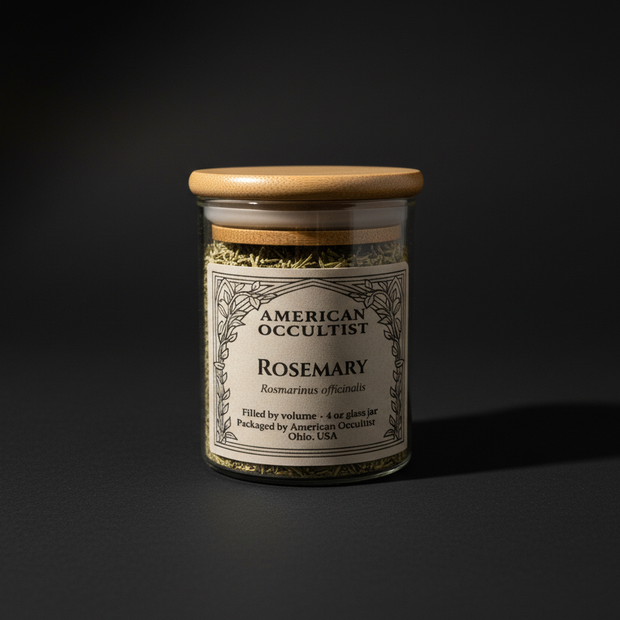
A single rosemary plant can touch all four labels. Growing and observing it fits green witchcraft; cooking with it intentionally fits kitchen witchcraft; placing a prepared sprig near a doorway can fit house witchcraft; and using threshold symbolism within a trance or spirit-oriented practice can fit hedge witchcraft.
The label matters less than having a clear, safe, and consistent practice. Many people use more than one because their routines naturally cross categories.
How to Choose a Path
- Notice which activities you already sustain consistently.
- Identify the center of your practice: home, food, plants, or liminal and spirit work.
- Study the safety requirements and historical context of the practices you use.
- Begin with one repeatable routine rather than collecting many tools.
- Allow the label to change as your practice develops.
Beginner Practices for Each Path
- House witch: Choose one room or doorway and create a simple weekly cleaning, boundary, or renewal routine.
- Kitchen witch: Prepare one familiar recipe while focusing on hospitality, rest, or gratitude.
- Green witch: Learn one local plant through observation and reliable field guides.
- Hedge witch: Keep a dream journal and practice a short, grounded threshold visualization.
Frequently Asked Questions
Is a house witch the same as a kitchen witch?
No. The labels overlap, but house witchcraft uses the broader home as its center of practice, while kitchen witchcraft is more specifically focused on food, cooking, pantry work, hearth, and table.
Can someone be a house, kitchen, green, and hedge witch?
Yes. These are flexible modern labels, and one personal practice can include elements of all four.
Which path is best for beginners?
The best starting point is the practice you can perform safely and consistently with the resources you already have. Start with the center that already fits your daily life.
Do all four paths use herbs?
No. Herbs are common in green, kitchen, hedge, and some house-witch practices, but they are not required. The purpose and method matter more than using a particular ingredient.
Related Reading
Tools for this practice
Explore the products selected for this guide. Review each listing for what is included and how to use it.



Shop this guide · 4 items Collapse




Keep exploring the shop
You made it to the end of the guide. Keep exploring through related products, major departments, or the full catalog.


Leave a comment