


The Four Elements in Wiccan Practice

Earth, Air, Fire, and Water are the four classical elements most commonly used in Wiccan ritual. They organize directions, tools, colors, qualities, and stages of magical work. Many Wiccans also recognize Spirit, sometimes called Aether, as the unifying fifth element.
Earth in Wicca
Earth represents stability, embodiment, growth, material resources, home, boundaries, and practical work.
- Direction: North
- Colors: Green, brown, black, and earth tones
- Tools: Pentacle, salt, stones, soil, grains, and plants
- Common themes: Protection, prosperity, grounding, fertility, and household matters
- Modern stone correspondences: Jasper, hematite, obsidian, and black tourmaline
Earth can be represented by a stone, pentacle, bowl of salt kept separate from tools, or a living plant. Do not scatter salt or bury ritual materials outdoors without considering soil, wildlife, and property rules.
Air in Wicca
Air represents thought, communication, language, movement, learning, breath, and intellectual clarity.
- Direction: East
- Colors: Yellow, white, and pale blue
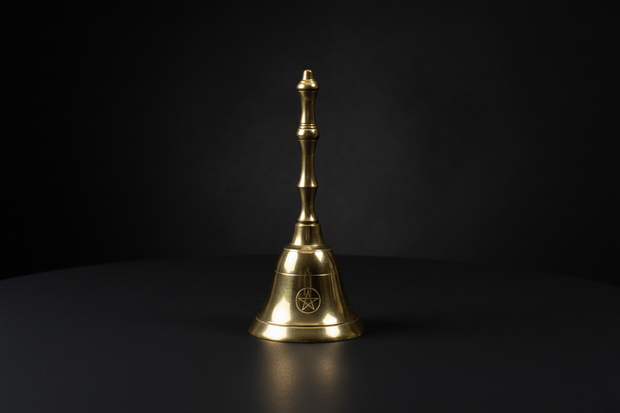
- Tools: Incense, bell, feather, fan, wand, and written words
- Common themes: Study, divination, communication, creativity, and new ideas
- Modern stone correspondences: Clear quartz, fluorite, and pale blue stones
Air does not require smoke. A bell, breath practice, spoken prayer, or fan provides a smoke-free representation.
Fire in Wicca
Fire represents will, courage, transformation, passion, energy, action, and creative force.
- Direction: South
- Colors: Red, orange, gold, and bright yellow
- Tools: Candle, lamp, athame, sun image, and heated forge symbolism
- Common themes: Confidence, motivation, protection, release, and transformation
- Modern stone correspondences: Carnelian, garnet, sunstone, and tiger’s eye
Use candles only in stable holders on clear, heat-resistant surfaces. LED candles are fully suitable when open flame is unsafe or prohibited.
Water in Wicca
Water represents emotion, intuition, memory, dreams, healing symbolism, relationship, and adaptability.
- Direction: West
- Colors: Blue, silver, sea green, and violet
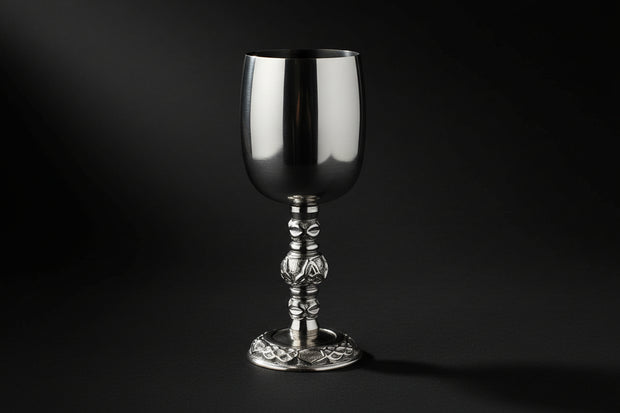
- Tools: Chalice, bowl of clean water, shell, mirror, and moon imagery
- Common themes: Love, grief, reflection, dreams, cleansing, and emotional work
- Modern stone correspondences: Amethyst, aquamarine, moonstone, and blue calcite
Keep ritual water away from electrical equipment and water-sensitive minerals. Water used symbolically should not be consumed when herbs, oils, stones, wax, or other ritual materials have been added.
Spirit or Aether
Spirit is commonly placed at the center and represents unity, consciousness, sacred relationship, or the force that connects the other elements.
- Direction: Center, above, below, or all directions
- Colors: White, purple, black, silver, or a personal choice
- Tools: Pentacle, central candle, deity image, cauldron, or clear quartz
- Common themes: Integration, sacred space, devotion, and completion
The Elements in Circle Casting
Many Wiccan rituals acknowledge the elements at the four quarters. A simple sequence may include:
- Face North and acknowledge Earth.
- Face East and acknowledge Air.
- Face South and acknowledge Fire.
- Face West and acknowledge Water.
- Return to the center and acknowledge Spirit.
- Perform the central ritual work.
- Thank and release each quarter in reverse order before closing.
Exact wording and order vary by tradition. Initiated practitioners should follow their lineage’s established structure.
Elemental Balance
The elements can also serve as a reflective model:
- Too much Earth may feel rigid; too little may feel ungrounded.
- Too much Air may feel scattered; too little may limit perspective.
- Too much Fire may feel impulsive; too little may reduce motivation.
- Too much Water may feel overwhelming; too little may restrict emotional awareness.
This is symbolic reflection rather than medical or psychological diagnosis.
A Beginner Elemental Practice
- Place a stone in the North, a bell or feather in the East, an LED candle in the South, and a bowl of clean water in the West.
- Sit at the center and observe each object.
- Name one quality each element represents in your current life.
- Identify which quality needs practical attention.
- Choose one action and write it in a journal.
- Thank the elements and return the objects to storage.
Frequently Asked Questions
Are the elemental directions universal?
No. North–Earth, East–Air, South–Fire, and West–Water are common in modern Wicca, but traditions and local adaptations differ.
Is Spirit always considered a fifth element?
Many Wiccans use Spirit or Aether as a fifth element, while others focus primarily on the four classical elements.
Do elemental tools create literal physical elements?
No. They are ritual representations used to organize symbolism, attention, and sacred space.
Related Reading
Tools for this practice
Explore the products selected for this guide. Review each listing for what is included and how to use it.

Leave a comment