


Hedge Witchcraft: A Practical Guide to Hedge Riding, Spirit Work, and Folk Magic

Hedge witchcraft is a modern, flexible form of solitary and folk-inspired practice centered on thresholds, trance, spirit or ancestor relationships, herbal knowledge, household magic, local ecology, and the symbolic movement between ordinary and visionary awareness.
The label does not describe one ancient religion, required theology, formal initiation, pantheon, or universal lineage. Contemporary hedge witchcraft draws from folklore, cunning-craft history, animism, traditional witchcraft, modern Paganism, herbalism, dreamwork, and personal practice. Responsible practitioners describe those influences honestly rather than presenting the path as an unchanged survival from the distant past.
What does “hedge witch” mean?
Historically, a hedge marked the edge between cultivated land and uncultivated space. In modern witchcraft, it commonly symbolizes boundaries between:
- home and wilderness;
- waking awareness and dream;
- ordinary attention and trance;
- human community and other-than-human nature;
- the familiar and the uncertain;
- private household space and the world beyond it.
“Riding the hedge” or “crossing the hedge” refers to intentionally entering a visionary, imaginal, dreamlike, or spiritual state and returning deliberately. Practitioners interpret that experience in different ways; no single interpretation is required.
Historical and folkloric influences
Modern hedge witchcraft is influenced by several streams rather than one documented continuous tradition:
- cunning folk and village magical practitioners;
- European folklore involving night journeys, spirit flight, dreams, and fairy encounters;
- household charms, healing customs, and protective magic;
- animistic relationships with land, plants, animals, ancestors, and place;
- modern traditional witchcraft and solitary Pagan practice;
- contemporary herbal, ecological, and devotional study.
Witch-trial records require particular caution because they often contain coercion, hostile religious interpretation, and standardized accusations. They are historical sources, but not neutral instruction manuals.
Core hedge-witch practices
Trance, hedge riding, and journey work
Breath, rhythm, visualization, scrying, meditation, and dream incubation may be used to enter a focused state. Sessions should remain time-limited, grounded, and free from dangerous substances. A planned return and aftercare routine matter more than producing dramatic imagery.
Plant and land knowledge
A hedge witch may study local plants, seasonal cycles, ecological relationships, folklore, culinary use, and safe handling. Magical correspondence does not establish that a plant is edible, medicinal, safe to smoke, or appropriate for skin contact.
Household and threshold magic
Charms, wards, blessings, and cleansing routines may be associated with doors, windows, gardens, gates, hearths, or property boundaries. Symbolic protection should reinforce practical maintenance, locks, lighting, consent, and real household rules rather than replace them.
Spirit, ancestor, and familiar work
Some practitioners develop devotional or symbolic relationships with ancestors, land spirits, household spirits, or familiar spirits. Others remain agnostic or interpret these experiences psychologically. Discernment, consent, cultural context, and ordinary explanations remain important.
Divination and dreamwork
Tarot, runes, pendulums, scrying, and dream interpretation can organize reflection and record patterns. They should not become the sole basis for medical, legal, financial, relationship, or safety decisions.
Hedge witchcraft compared with related paths
Hedge witch vs. green witch
Green witchcraft generally places plants, gardens, ecology, and nature-based practice at the center. Hedge witchcraft may include those areas but usually gives greater emphasis to thresholds, trance, dreamwork, spirit flight, and movement between states of awareness.
Hedge witch vs. kitchen witch
Kitchen witchcraft centers on food, domestic routine, hospitality, nourishment, and repeated household activity. A hedge witch may practice kitchen magic, but food preparation is not the defining feature of the path.
Hedge witch vs. traditional witch
Traditional witchcraft is a broader umbrella involving folklore, charms, land relationships, spirit work, and non-Wiccan magical traditions. Hedge witchcraft is a modern specialization that overlaps with that territory without representing every form of traditional craft.
Hedge witch vs. Wiccan
Wicca is a modern Pagan religion with characteristic ritual structures, Sabbats, varied forms of deity worship, and traditions of circle casting. Hedge witchcraft is a practice style and does not require Wiccan theology or ritual structure.
Common hedge-witch tools
- a journal for dreams, plants, folklore, and ritual notes;
- a safe candle or LED light;
- a mirror or bowl for scrying;
- labeled herbs stored separately from food and medicine;
- a key, broom, cord, staff, gate, or other threshold symbol;
- an offering bowl when appropriate;
- local plant, wildlife, weather, and history references.
No tool is mandatory. A notebook, safe source of light, and consistent observation are enough to begin. The purpose of a tool matters more than its price or appearance.
How to begin hedge witchcraft
- Start a journal for local ecology, dreams, folklore, sources, and practice.
- Learn the plants, weather, animals, public lands, and history of your actual region.
- Create one simple household or doorway practice connected to a real boundary.
- Practice a five-minute visualization with a timer and clear return point.
- Study one plant deeply instead of collecting many unsupported correspondences.
- Read historical scholarship alongside modern practitioner books.
- Review what was observed, what was interpreted, and what remains uncertain.
Safety, ethics, and discernment
- Do not trespass, damage habitat, or collect protected plants.
- Do not ingest, smoke, or apply unidentified herbs.
- Do not leave salt, wax, food, ribbons, crystals, or other offerings outdoors.
- Respect cultural, community, and initiatory boundaries.
- Check ordinary explanations for dreams, sounds, animals, coincidences, and unusual sensations.
- Pause trance or spirit work if it causes fear, compulsion, dissociation, paranoia, or loss of sleep.
- Keep medical and mental-health care separate from magical claims.
Frequently asked questions
Can anyone call themselves a hedge witch?
The term is generally open and modern, but responsible use requires honest study rather than false claims of ancient lineage or secret initiation.
Does a hedge witch have to be solitary?
No. Many practice alone, but a hedge witch may also participate in classes, covens, study groups, or wider Pagan communities.
Do hedge witches have to work with spirits?
No. A practitioner may focus on folklore, plants, household practice, dreams, or symbolic trance without literal spirit belief.
Is hedge riding literal travel?
Practitioners interpret it as spiritual journeying, active imagination, trance, dreamwork, or visionary ritual. A vivid experience does not objectively prove travel outside the body.
Is hedge witchcraft an ancient unbroken tradition?
No. It is a modern path influenced by older folklore, cunning craft, household magic, animism, and traditional witchcraft.
Continue learning
Tools for this practice
Explore the products selected for this guide. Review each listing for what is included and how to use it.
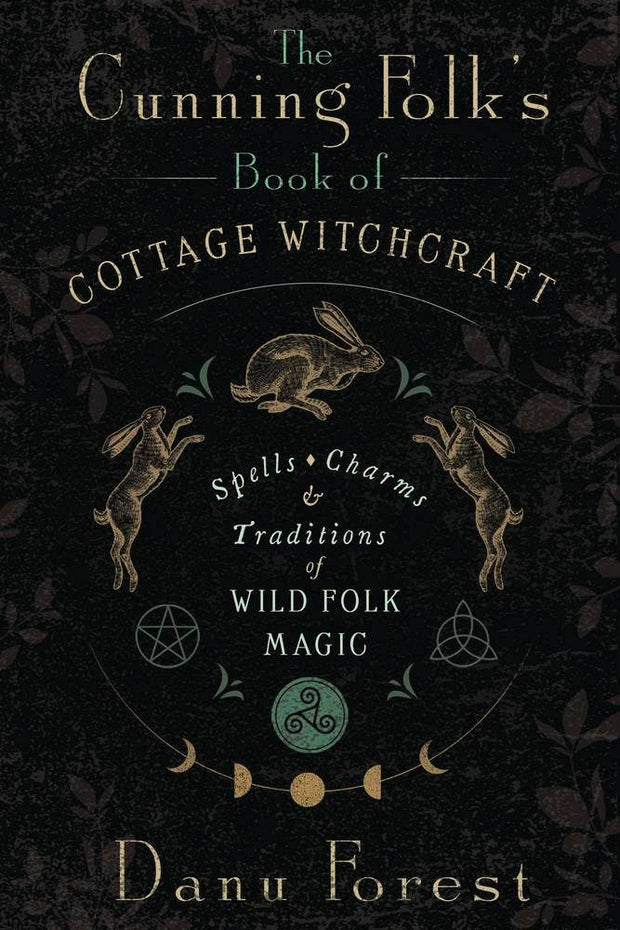
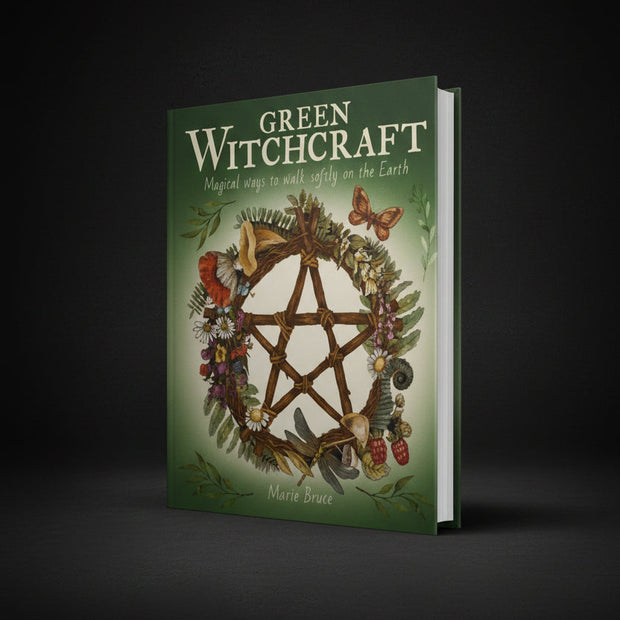

Shop this guide · 4 items Collapse


Keep exploring the shop
You made it to the end of the guide. Keep exploring through related products, major departments, or the full catalog.


Leave a comment