


What to Expect at an Occult Workshop or Spiritual Class

An occult workshop or spiritual class should give participants a clear subject, a structured learning experience, and enough practical guidance to continue studying afterward. You do not need to arrive as an expert, but you should know what the class promises, what it requires, and which boundaries apply to the group.
Read the Full Class Description
Before registering, check:
- the exact topic and learning goals;
- whether the class is introductory or assumes previous experience;
- the date, start time, expected length, and location;
- the materials provided and what you must bring;
- age requirements;
- accessibility information;
- whether smoke, fragrance, flame, sound, movement, or touch may be used;
- the cancellation and refund policy.
Do not assume every workshop includes a take-home kit, personal reading, certification, initiation, or private consultation unless it is stated.
Ask About Accessibility Before the Event
Useful questions include:
- Is the space wheelchair accessible?
- Will participants remain seated or move around?
- Are printed instructions available?
- Will incense, essential oils, candles, flashing light, or loud sound be used?
- Can a smoke-free or fragrance-free alternative be provided?
- May a support person attend?
- Are breaks scheduled?
Accessibility is not an inconvenience to spiritual practice. A good class can often adapt the mechanism while preserving the lesson.
Bring Only What the Class Requires
A typical supply list may include a notebook, writing tool, deck, pendulum, cloth, bowl, herbs, or a specific ritual tool. Label personal belongings when several participants may own similar items.
Do not bring blades, open flame, alcohol, unknown powders, loose animals, or restricted substances unless the organizer has explicitly approved them and the venue allows them. Do not assume “ritual use” overrides ordinary safety rules.
What Usually Happens at the Beginning?
The instructor may introduce the subject, explain the schedule, establish group agreements, review safety, and invite participants to share names or experience levels. An introduction should not require disclosure of religion, trauma, medical history, sexuality, or private spiritual experiences.
Common group agreements include confidentiality, consent before touch, no photographing others without permission, respectful disagreement, and time limits on personal stories.
Participation Should Be Informed and Voluntary
A class may include meditation, chanting, card reading, partner work, journaling, crafting, movement, prayer, or ritual. You should know what will happen before being pressured to participate.
Reasonable participation levels may include:
- observing without performing;
- using a smoke-free or touch-free alternative;
- working alone instead of with a partner;
- stepping out during an exercise;
- declining to share personal results;
- leaving the event when a boundary is not respected.
Consent can be withdrawn during the class. Read How to Prepare a Shared Ritual Space for a fuller discussion of consent and accessibility.
Respect Privacy and Confidentiality
Stories shared in a workshop should not become social media content or gossip. Ask before photographing altars, handouts, instructor materials, completed projects, or other participants.
Recording a class may violate privacy or the instructor’s intellectual property. Written permission should be obtained before audio or video recording. Review Privacy and Confidentiality in Spiritual Practice.
Ask Questions That Serve the Class
Useful workshop questions include:
- Which part of this method is essential and which can be adapted?
- What safety limits apply?
- What sources support this history or correspondence?
- How should a beginner practice after class?
- What mistakes should we avoid?
- Is this practice public, culturally specific, or initiatory?
- How should the tools be cleaned and stored?
Keep personal consultations brief unless the event includes them. One participant’s unrelated story should not consume the time reserved for the group.
Cultural and Initiatory Boundaries
An introductory class may discuss a tradition without granting membership, authority, lineage, or initiation. Ask the instructor to distinguish:
- publicly documented practice from closed instruction;
- personal adaptation from historical tradition;
- inspiration from claimed cultural authority;
- education from certification.
A payment receipt does not automatically confer a title, priesthood, or permission to represent a community.
Safety During Hands-On Work
Follow the venue’s fire, ventilation, sanitation, and tool rules. Confirm ingredients before placing anything on skin, in food, around animals, or near flame. Do not share applicators, drink from ritual vessels used for nonfood materials, or burn unknown substances.
For flame-related classes, read Fire Safety for Candles, Incense, Charcoal, and Ritual Burning.
After the Workshop
- Review your notes within a day or two.
- Separate the instructor’s method from your own later additions.
- Identify one safe practice exercise.
- Record unanswered questions and sources to check.
- Clean and label any take-home materials.
- Do not teach the class immediately as though one attendance made you an expert.
Learning continues through study, practice, correction, and honest acknowledgment of limits.
Explore Workshops and Classes
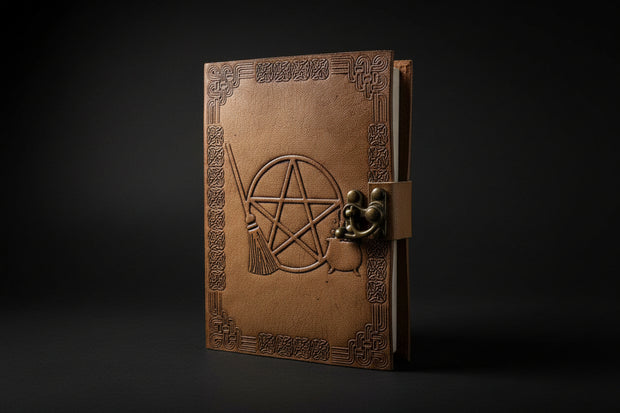
View current offerings through our Metaphysical Workshops & Classes page and complete In-Store Services page. Bring a dedicated notebook from the Journals collection so instructions, sources, personal observations, and later revisions remain in one place.
Frequently Asked Questions
Do I need to be a witch or pagan?
Not necessarily. Check the description. Many educational workshops welcome respectful beginners and people from different beliefs.
Will I have to participate in a ritual?
You should be told what participation involves. Ask whether observation or an alternative exercise is available.
Can I bring my own tools?
Bring only requested or approved tools. Label them and follow the instructor’s safety guidance.
May I take photographs?
Only with permission from the organizer and every identifiable participant or private work involved.
Does a workshop make me certified?
Only when a legitimate certification program explicitly states its standards. A general class or attendance certificate does not automatically create professional authority.
What if smoke or fragrance affects me?
Contact the organizer before registering and ask about alternatives, ventilation, and the ability to step out.
A Good Workshop Makes the Next Step Clear
Read the description, ask about access and safety, participate by consent, respect privacy, take useful notes, and leave with a manageable practice rather than pressure to claim expertise.
Tools for this practice
Explore the products selected for this guide. Review each listing for what is included and how to use it.


Shop this guide · 3 items Collapse


Keep exploring the shop
You made it to the end of the guide. Keep exploring through related products, major departments, or the full catalog.


Leave a comment