


You Do Not Need Every Ritual Tool: How to Choose What Your Practice Actually Needs

There is no universal list of ritual tools that every practitioner must own. A ceremonial magician following a defined source, a tarot reader, a devotional polytheist, and a kitchen witch may all have serious practices with almost no overlap in equipment.
The useful question is not “What should be on an occult altar?” It is “What job does this object need to do in my actual practice?” This guide helps answer that question before you spend money or fill a space with tools you do not use.
Start With the Practice, Then Choose the Object
Write down the action you plan to perform. Lighting a candle, burning resin, making an offering, recording a reading, marking a boundary, and following a ceremonial text are different actions with different physical needs.
For each action, ask:
- What function must the tool perform?
- Do I already own something safe that performs it?
- Does my tradition or source require a specific form?
- Will a specialized tool improve safety, durability, or repeated use?
- Can I store and maintain it properly?
If you cannot identify the function, postpone the purchase. An undefined spiritual need is easy to turn into an unlimited shopping list.
Minimal Setups for Common Practices
Candle work
The physical minimum is a candle appropriate to the work, a stable heat-safe holder, a safe place to burn it, and a way to extinguish it. Colors, oils, carvings, and additional correspondences may support a chosen method, but they do not replace fire safety or a clear ritual structure.
Incense and smoke work
Match the burner to the material: sticks, cones, loose herbs, and charcoal-burned resin do not use identical equipment. Ventilation, a heat-safe surface, and awareness of household restrictions matter more than decorative complexity. Read our guide to choosing an incense burner before buying by appearance alone.
Divination
One working method and a way to record results are enough to begin. A tarot deck does not require a special cloth, box, crystals, and multiple backup decks. Those can become useful later if they protect the cards, support a reading routine, or serve an intentional aesthetic purpose.
Offerings and devotion
A clean, stable surface and an appropriate vessel may be sufficient. The needs of the deity or tradition should come from serious study of that tradition, not from a generic “must-have altar” graphic.
Structured ceremonial practice
When a specific text or initiatory system defines a tool, research its construction and function before substituting or purchasing. In this case, the source—not an all-purpose retail checklist—should establish what is necessary.
When a Specialized Ritual Tool Is Worth Buying
- It performs a repeated function well. A durable mortar, cauldron, burner, or storage box may earn its place through regular use.
- It improves physical safety. Correctly sized holders and heat-safe vessels are practical equipment, not decorative extras.
- Your chosen tradition gives it a specific role. The role should be understood before the object is acquired.
- Its symbolism supports deliberate practice. Beauty and meaning are valid functions when chosen consciously.
- It solves a real limitation. Storage, accessibility, cleanup, transport, or shared space may justify a particular design.
When to Wait
- You are buying because a short video labeled the item “essential.”
- You do not know how or when you will use it.
- The purchase would displace rent, food, medication, or another ordinary need.
- You already own several objects that perform the same function.
- You hope the object will create discipline you have not yet practiced.
- You feel pressured to make the altar look finished for other people.
Waiting is not a lack of commitment. It is part of learning what your practice actually requires.
A Better Order for Building a Working Kit
- Study: learn the method and its safety limits.
- Practice simply: use the minimum safe setup.
- Observe: note where your current setup creates friction.
- Buy for the friction: choose the object that solves that specific problem.
- Reassess: remove, repurpose, or stop buying tools that have no continuing role.
For tradition-specific context, compare this approach with our guide to Pagan altar tools and supplies. If you have already identified a real function, browse our Altar Tools collection. The collection is a set of options, not a list of requirements.
Tools for this practice
Explore the products selected for this guide. Review each listing for what is included and how to use it.
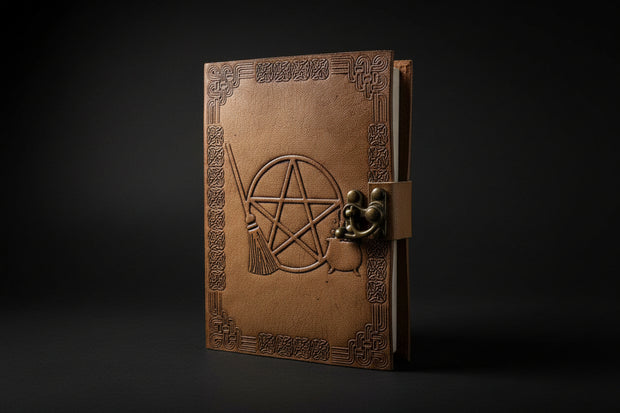
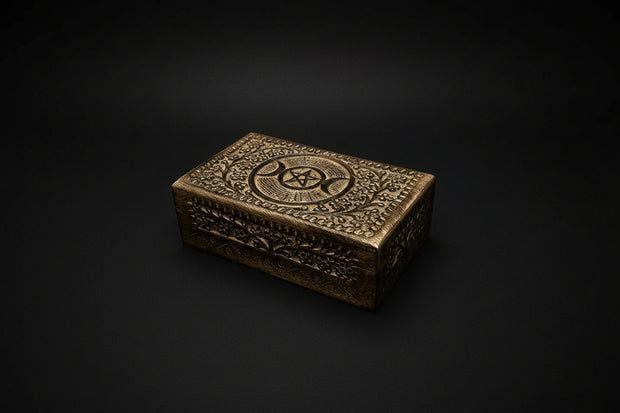
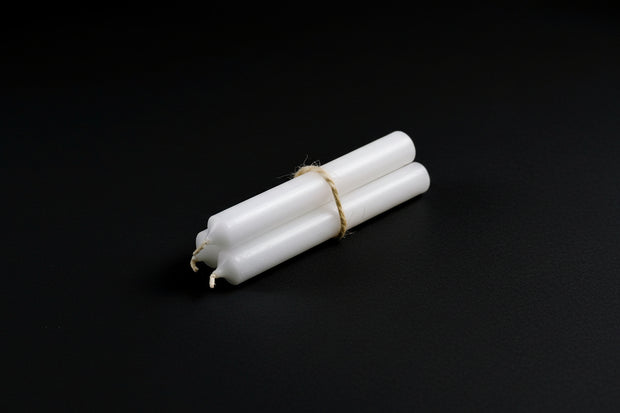
Shop this guide · 3 items Collapse


Keep exploring the shop
You made it to the end of the guide. Keep exploring through related products, major departments, or the full catalog.


Leave a comment