


Essential Oils vs. Fragrance Oils vs. Carrier Oils vs. Ritual Oils

Essential oil, fragrance oil, carrier oil, infused oil, and ritual oil are not interchangeable names. One term describes a concentrated plant extract, another may describe a complex scent formula, another identifies a base oil, and “ritual oil” usually describes the product’s spiritual purpose rather than its chemical composition.
Before putting any scented oil on skin, into a diffuser, onto a candle, or near a pet, read the actual ingredient and use directions. A mystical name such as Protection, Attraction, Ancestor, or Road Opener does not establish whether the formula is cosmetic, aromatic, combustible, topical, or intended only for objects.
The five oil categories at a glance
| Term | What it usually means | What it does not prove |
|---|---|---|
| Essential oil | A concentrated aromatic material obtained from plant matter through methods such as distillation or expression | That it is safe undiluted, safe to ingest, safe for every person, or safe around every animal |
| Fragrance oil | A scent blend that may contain synthetic materials, natural aromatic materials, or both | That every component will appear separately on a consumer label |
| Carrier oil | A comparatively nonvolatile oil used as a base or diluent | That the finished blend is automatically skin-safe or stable indefinitely |
| Infused oil | A carrier oil that has been exposed to herbs, resins, flowers, spices, or other material | That it contains essential oil, that the plant was correctly identified, or that it is food-grade |
| Ritual oil | A finished product named for a spiritual purpose, tradition, spirit, condition, or spell | Any specific composition or approved route of exposure |
What is an essential oil?
Essential oils are concentrated aromatic mixtures derived from plants. They are not the same as whole herbs, teas, culinary extracts, or ordinary vegetable oils. A very small bottle can represent a large amount of plant material, which is one reason direct skin application and improvised ingestion are poor assumptions.
The U.S. Food and Drug Administration explains that an ingredient’s plant origin does not automatically make it safe. Some plant-derived aromatic materials can irritate skin, trigger allergic reactions, or become more harmful under particular conditions such as sun exposure. Product claims and intended use also affect whether a scented product is treated as a cosmetic, drug, or another regulated category. See the FDA’s Aromatherapy guidance.
What is a fragrance oil?
“Fragrance oil” usually refers to a formulated scent rather than one single botanical extract. It may contain synthetic aroma chemicals, natural isolates, essential oils, solvents, stabilizers, or other components. A fragrance formula can be designed for candles, soap, perfume, room scent, or another specific application.
Do not use a candle fragrance oil on skin merely because it smells pleasant. Do not put a body fragrance into a diffuser or candle unless the manufacturer approves that use. Formulas are developed for particular products, concentrations, temperatures, and exposure routes.
For cosmetics sold to consumers, the FDA notes that a complex fragrance formula may often appear on the ingredient list simply as “fragrance” rather than naming every aromatic component. People with sensitivities may need to contact the manufacturer for more information. Read the FDA’s Fragrances in Cosmetics guidance.
What is a carrier oil?
A carrier oil is a base such as jojoba, fractionated coconut, grapeseed, sunflower, sweet almond, or another fixed oil. It can dilute aromatic ingredients and help a blend spread across a surface. The carrier affects texture, odor, absorption, staining, allergen concerns, and shelf life.
A carrier does not neutralize every hazard. The final concentration, all ingredients, the user’s sensitivities, the intended surface, and the maker’s formulation still matter. Nut-derived carriers may also be relevant to people with allergies.
What is an infused oil?
An infused oil is made by placing plant or aromatic material into a carrier so some components transfer into the oil. It is not the same as an essential oil. A bottle with visible herbs may be decorative, traditionally prepared, commercially manufactured, or improvised; appearance alone does not reveal sanitation, moisture content, botanical identity, extraction strength, or intended use.
Fresh plant matter can introduce water and increase spoilage risk. Homemade infusions should be labeled with the botanical identity, plant part, carrier, date, preparation method, and approved use. An old unlabeled bottle should not be used from memory.
What is a ritual oil?
Ritual oil is a purpose category. A formula may be built for protection, success, uncrossing, devotion, attraction, ancestor work, deity practice, or another symbolic goal. Its physical base may be carrier oil, fragrance, essential oil, botanical infusion, or a proprietary blend.
Two products with the same ritual name may have different ingredients and directions. One may be intended only for candles and objects; another may be labeled for limited external anointing. Treat each bottle as an individual product.
Read the route of use before the intention
| Possible use | What must be confirmed |
|---|---|
| Candle dressing | The maker approves candle use; only a very small amount is used away from the wick and active flame |
| Objects and petitions | The surface tolerates oil and staining; the product is not transferred to skin or food-contact items |
| Topical anointing | The finished product is explicitly labeled for skin use and directions are followed |
| Diffuser or warmer | The product and device manufacturer approve that formula and concentration |
| Bath | The finished preparation is specifically formulated for bath use; oil does not disperse safely in water merely because it was stirred |
| Ingestion | The exact product is manufactured and labeled for ingestion and its use is appropriate for the individual |
When the route is unknown, treat the oil as object-only, nonfood, and non-topical.
A practical label checklist
Look for:
- full product name and supplier;
- ingredient list or available composition information;
- carrier or base;
- intended uses and prohibited uses;
- dilution or concentration when relevant;
- warnings for skin, eyes, ingestion, flame, children, animals, or pregnancy;
- lot or batch code;
- purchase, opening, or preparation date;
- storage directions;
- manufacturer contact information.
Words such as natural, pure, therapeutic, sacred, organic, skin-loving, or premium do not replace directions and ingredient information.
Topical use requires a finished skin-use product
Use an oil on the body only when the finished blend is explicitly labeled for that purpose. Follow the maker’s amount and location directions. Avoid eyes, lips, mucous membranes, broken skin, and areas that will be exposed to flame or heat.
A patch test may help reveal some reactions, but it does not guarantee that later irritation or allergy cannot occur. Stop use when burning, itching, rash, swelling, breathing difficulty, or another concerning reaction appears, and seek appropriate medical help when needed.
Candle use and heat
Oil and flame should be combined with restraint. Excess oil can soften wax, carry loose herbs into the flame, pool in a holder, increase smoke, or contribute to flare-ups.
- Confirm that the product is intended for candle dressing.
- Use a trace amount rather than saturating the candle.
- Keep oil, herbs, glitter, and powder away from the wick.
- Place the bottle away from the burning area.
- Use a fitted heat-resistant holder.
- Never add oil to a burning candle or hot charcoal.
- Extinguish abnormal flames, heavy smoke, or an unstable setup.
Review Fire Safety for Candles, Incense, Charcoal, and Ritual Burning.
Diffusers, room scent, and respiratory comfort
A product that is suitable for topical use is not automatically appropriate for airborne use. Follow both the oil and device instructions, ventilate the room, and stop when scent causes headache, coughing, nausea, irritation, or discomfort. Give household members a fragrance-free option instead of treating participation as mandatory.
Do not use open aromatic products near birds, aquariums, cages, food, bedding, or places where animals groom. Veterinary guidance should be based on the exact product and species, not a generic internet list.
Choose the simplest product that performs the job
- For dressing a candle or petition, choose a ritual oil labeled for objects and candle use.
- For personal fragrance, choose a finished cosmetic labeled for body application.
- For a diffuser, choose a formula approved for that device and household.
- For symbolic altar scent without airborne exposure, keep a closed bottle or scent strip as a visual reminder.
- For a fragrance-sensitive group, use unscented oil, water, light, sound, or a dry token instead.
Frequently asked questions
Are essential oils more natural than fragrance oils?
Essential oils are plant-derived aromatic mixtures, while fragrance oils may use natural and synthetic components. “More natural” does not determine safety, suitability, or quality for a particular use.
Can I turn an essential oil into ritual oil?
You may give an aromatic ingredient symbolic meaning, but a safe finished product requires appropriate formulation, dilution, labeling, storage, and route-of-use decisions. Intention is not a substitute for formulation.
Can ritual oil go on skin?
Only when that exact finished product is explicitly labeled for external skin use. The ritual name alone tells you nothing about topical suitability.
Can fragrance oil be used in candles?
Only fragrance specifically intended for the candle wax, manufacturing method, and safe concentration being used. Body fragrance and room oil are not automatic substitutes.
Does “fragrance-free” always mean no aromatic ingredients?
Read the full label. Some products marketed as unscented may use fragrance to mask the odor of other ingredients.
Can I ingest an oil because its ingredients are edible plants?
No. Concentration, extraction, contaminants, formulation, and intended use differ from eating the original plant. Use only products specifically manufactured and labeled for ingestion.
What should I do with an unknown oil?
Quarantine it from usable supplies. If identity and directions cannot be reliably confirmed, dispose of it according to local guidance rather than experimenting.
Let the label control the physical use
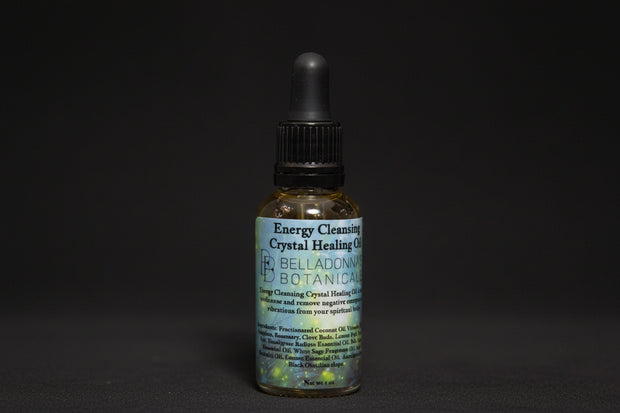
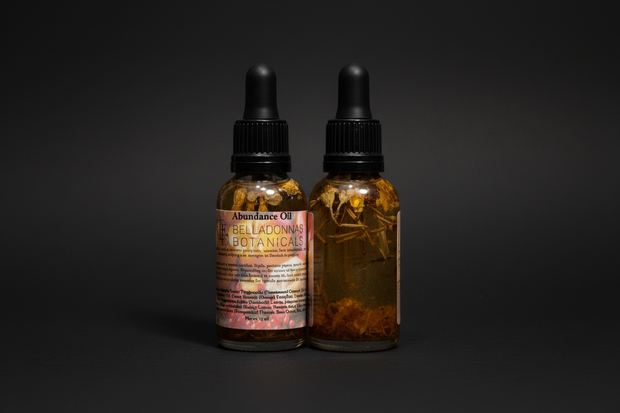
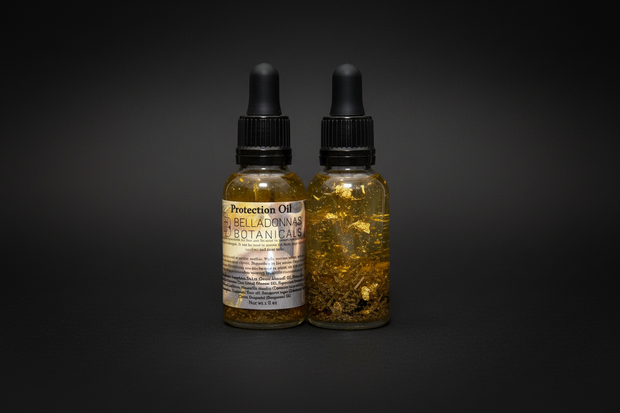
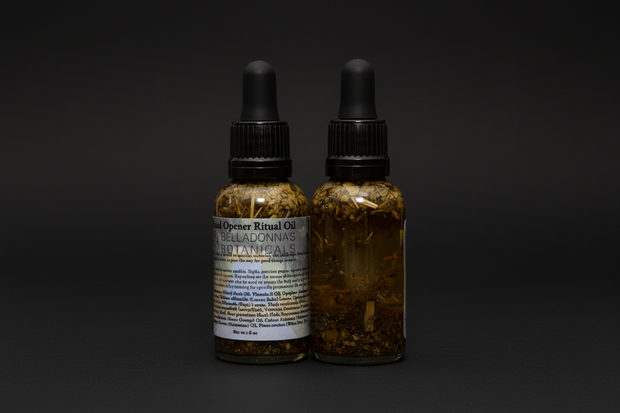
Explore the Ritual Oils collection after defining the spiritual purpose and approved application. Then use How to Use Ritual Oils in Witchcraft and How to Label and Store Ritual Oils to keep composition, exposure route, and symbolism clearly separated.
Tools for this practice
Explore the products selected for this guide. Review each listing for what is included and how to use it.
Shop this guide · 4 items Collapse


Keep exploring the shop
You made it to the end of the guide. Keep exploring through related products, major departments, or the full catalog.
 RELATED TO THIS GUIDE
Ritual Supplies & Altar Tools
Shop this topic
RELATED TO THIS GUIDE
Ritual Supplies & Altar Tools
Shop this topic


Leave a comment