


How Sigil Generators Work: Alphabet and Number Systems

A sigil generator is a structured method for turning a written intention into a visual pattern. Some generators are digital, while others are printed wheels, grids, cards, or hand-drawn charts. The underlying logic is usually similar: language is simplified, converted into mapped positions, and traced into a symbol.
The generator does not create the intention and does not complete the ritual. It handles the construction stage.
The Basic Sigil Generator Process
Most systems follow five stages:
- Input: the practitioner writes a focused statement.
- Reduction: spaces, repeated letters, vowels, or other elements may be removed.
- Encoding: the remaining letters are assigned to alphabet or numeric positions.
- Plotting: the positions are connected in sequence.
- Refinement: the practitioner simplifies and personalizes the generated structure.
The exact rules vary, so the same sentence can produce very different designs in different systems.
Step One: Start With a Clear Intention
A generator cannot repair vague wording. “I want success” gives less direction than “I complete the daily work that supports my business.”
Keep the sentence concise and centered on one outcome. Read How to Write Effective Sigil Intentions before choosing a construction system.
Step Two: Normalize the Text
The written intention is prepared according to the rules of the generator. A system may:
- convert all letters to uppercase;
- remove spaces and punctuation;
- remove repeated letters;
- remove vowels;
- retain the full sequence without reduction.
These choices affect the result. Removing repeated letters produces a shorter path, while retaining them creates recurring points and lines.
Alphabet Mapping
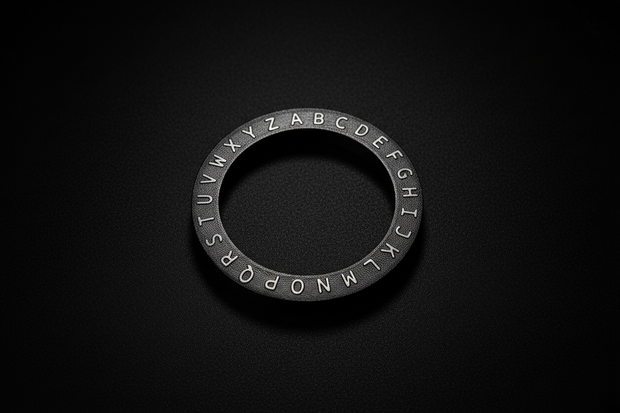
An alphabet generator places A–Z on a wheel, grid, or field. The practitioner follows the letters of the reduced intention in order and connects their positions.
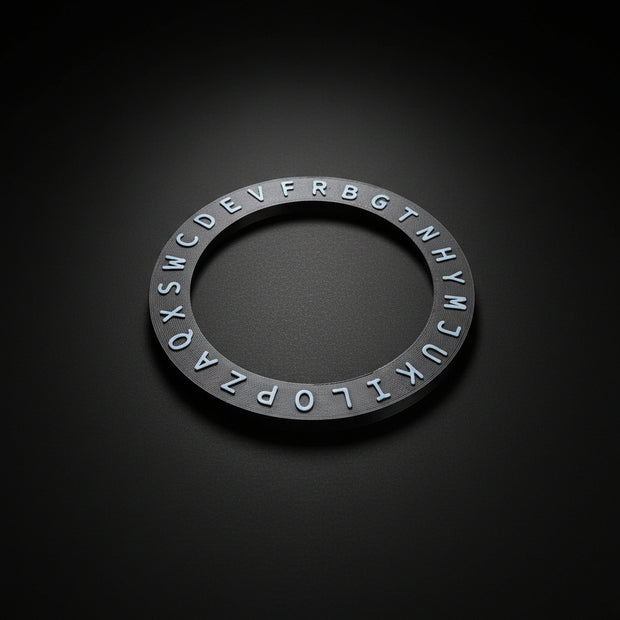
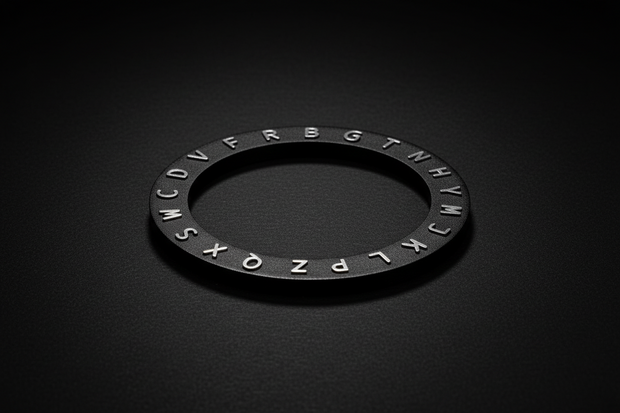
An ordered alphabet makes the conversion easy to study. A rearranged alphabet creates a more abstract path because familiar letter relationships are changed.
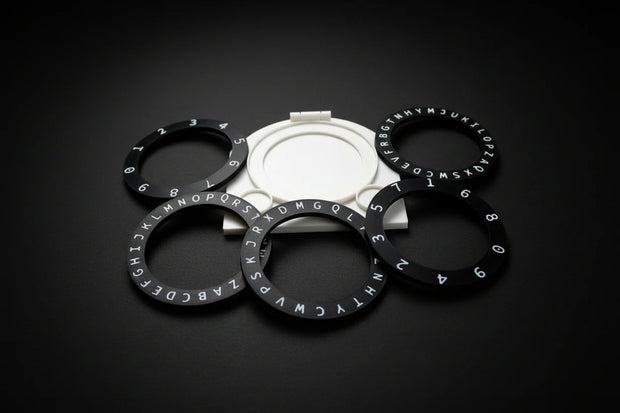
Examples within the Sigil Forge system include the ordered Classic Edition, the rearranged Cypher Edition, and the reduced Chaos Edition.
Numeric Encoding
A numeric generator assigns letters to digits, then plots the resulting number sequence. Because multiple letters may map to the same digit, the design often contains repeated points and stronger geometric compression.
Ordered numeric systems use a familiar sequence. Rearranged systems change the placement or order of the digits before the intention is mapped.
The Sigil Forge numeric options are Codex Ordinem and Codex Discordia.
Plotting the Sequence
Once each letter or number has a position, those positions are connected in the order they appear. Some systems add a circle, dot, crossbar, or other marker to show the beginning and end.
The plotted line is the raw structure—not necessarily the finished sigil. It may be rotated, mirrored, simplified, enclosed, or redrawn more smoothly.
Why Different Generators Produce Different Results
Several variables change the geometry:
- the original wording;
- the letter-reduction rule;
- the alphabet or number order;
- the shape of the plotting field;
- whether repeated positions are retained;
- how the practitioner refines the raw line.
Different results do not mean one generator interpreted the intention correctly and another failed. They are different visual encodings of the same text.
Digital and Physical Generators
Digital tools
Digital tools can generate designs quickly and make comparison easy. Consider privacy before entering sensitive personal intentions into an unfamiliar website or application.
Printed or physical tools
Printed wheels, cards, and charts keep the process offline and allow the practitioner to trace every step manually. They can be slower, but they make the construction logic visible.
Freehand systems
Freehand letter combination gives the greatest artistic freedom but the least standardization. It is useful when intuition matters more than repeatability.
How to Evaluate a Generated Sigil
Ask whether the design is:
- easy enough to reproduce;
- appropriate for the intended medium;
- visually distinct from unrelated symbols;
- simple enough to remember;
- connected clearly to the original intention.
Do not assume a more complex design is more powerful. A simple form may be more practical for repeated use.
Generators and Magical Practice
After the symbol is constructed, the practitioner still decides how to charge and activate it. A generated sigil may be carried, carved into a candle, placed on an altar, displayed in a space, or retired after a single working.
The complete ritual sequence is explained in Sigil Magic: Creating, Charging, and Activating Symbols of Intention.
A Repeatable Comparison Exercise
- Use one finalized intention.
- Generate it with an ordered alphabet system.
- Generate it with a rearranged alphabet system.
- Generate it with an ordered numeric system.
- Compare the raw results before editing.
- Refine each design and choose the one best suited to the intended use.
The Sigil Forge Master Set is designed for this type of side-by-side experimentation.
Sigil generators are symbolic design tools. They do not guarantee outcomes and should not replace practical, medical, mental health, legal, financial, safety, or emergency action.
Tools for this practice
Explore the products selected for this guide. Review each listing for what is included and how to use it.
Shop this guide · 4 items Collapse


Keep exploring the shop
You made it to the end of the guide. Keep exploring through related products, major departments, or the full catalog.
 RELATED TO THIS GUIDE
Ritual Supplies & Altar Tools
Shop this topic
RELATED TO THIS GUIDE
Ritual Supplies & Altar Tools
Shop this topic


Leave a comment