


How to Buy Used Occult Books: Editions, Condition, Missing Pages, and Provenance

A used occult book can be an affordable reading copy, a discontinued edition, a heavily annotated working text, or a collectible object with meaningful provenance. It can also arrive with missing pages, detached plates, smoke odor, water damage, mold, or a different edition than the one shown.
Buying well begins by deciding whether you need a readable text, a specific edition, or a collectible copy. Condition standards change according to that purpose.
Identify the Exact Edition Before Judging the Price
Ask for or verify:
- full title and subtitle;
- author, translator, editor, or compiler;
- publisher;
- publication date and printing number;
- ISBN when present;
- hardcover, paperback, booklet, or bound manuscript format;
- edition statements such as revised, expanded, abridged, or facsimile.
A photograph of one cover paired with a generic marketplace record can lead to the wrong printing. Request the title page and copyright page when edition matters.
Use How to Compare Editions and Translations of Occult Books to evaluate textual differences.
Confirm That the Book Is Complete
Occult books may include components that sellers overlook:
- frontispiece or title-page illustration;
- plates and color images;
- foldout charts or diagrams;
- dust jacket;
- appendices and indexes;
- publisher errata slip;
- cards, CDs, posters, or companion materials;
- blank record pages intended for the owner’s notes.
Compare the table of contents and page count with reliable information for the same edition. Ask whether any pages are loose, torn, clipped, stuck together, or removed.
Understand Common Condition Terms
Booksellers may use grades such as fine, very good, good, fair, or poor, but standards vary. Read the written description rather than relying on the grade alone.
| Condition Area | Questions to Ask |
|---|---|
| Binding | Are hinges cracked? Are pages or signatures loose? |
| Cover | Is there rubbing, warping, staining, fading, or peeling laminate? |
| Pages | Are there tears, folds, highlighting, writing, stains, or brittleness? |
| Edges | Is there foxing, dirt, water tide marks, or insect damage? |
| Odor | Does it smell of smoke, mildew, perfume, incense, or storage chemicals? |
| Illustrations | Are plates present, clear, and uncropped? |
Distinguish Ordinary Aging From Active Damage
Older paper may yellow, fox, or become slightly brittle. Those changes can be stable. Active moisture, mold, insects, adhesive failure, and severe red rot require more caution.
Warning signs include:
- fuzzy or spreading growth;
- strong musty odor combined with spotting or dampness;
- warped pages with recent water stains;
- powder or frass from insect activity;
- pages stuck together;
- oily or unknown residues;
- crumbling leather or flaking synthetic coating.
Do not place a suspicious book directly beside the rest of your library. Isolate it until the condition is understood.
Annotations Can Add or Reduce Value
Writing in a used occult book may be:
- ordinary highlighting that lowers resale value;
- useful cross-references from a careful student;
- ritual records connected to the text;
- a signature or ownership mark;
- notes by a known author, practitioner, or prior collector;
- private information that should be handled respectfully.
Do not assume dramatic-looking symbols prove historical or magical importance. Provenance requires evidence connecting the writing to a person or context.
Evaluate Provenance Without Romanticizing It
Provenance can include bookplates, inscriptions, invoices, dealer records, estate information, library stamps, or documented ownership. It may increase historical interest, but it can also reveal that a book was withdrawn, stolen, or separated from an institutional collection improperly.
Ask how the seller acquired a high-value or unusually documented copy. A story without records should not command the same premium as verified provenance.
Look Closely at Seller Photographs
Useful images include:
- front and back covers;
- spine and both hinges;
- title and copyright pages;
- page edges;
- representative interior pages;
- all stated damage;
- plates, foldouts, signatures, and inscriptions;
- dust jacket beneath any protective cover.
Stock photographs are insufficient when condition or edition affects the purchase.
Ask About Odors Directly
Smoke, incense, mildew, perfume, cleaning chemicals, and basement storage may not be visible. Odor sensitivity differs, and complete removal can be difficult. Ask the seller to describe odors rather than using a vague phrase such as “old-book smell.”
Do Not Use Spiritual Cleansing as Conservation
Smoke, oils, salt, sprays, sunlight, water, and powders can stain paper, weaken bindings, attract pests, or introduce odor. If you want to perform a symbolic cleansing, use a contact-free method that does not alter the book.
For broader secondhand considerations, read Secondhand Occult Tools: How to Inspect, Clean, Use, or Decline Used Items.
Compare Price With the Correct Market
Separate:
- common used reading copies;
- out-of-print but widely available editions;
- scarce small-press titles;
- signed or association copies;
- limited editions;
- historically important printings;
- books expensive only because one seller listed them optimistically.
Use completed sales for the same edition and comparable condition when possible. An asking price is not proof of value.
Consider the Cost of Repair
A cheap copy may become expensive when it needs professional rebinding, mold remediation, page repair, or replacement plates. Amateur tape, glue, lamination, and marker “restoration” can cause permanent damage.
For a reading copy, minor wear may be acceptable. For a collectible copy, consult a qualified book conservator before altering it.
Questions to Send the Seller
- Do the photographs show the exact book?
- What edition, printing, translator, and publisher is it?
- Are all pages, plates, and inserts present?
- Are there markings, inscriptions, highlighting, or removed bookplates?
- Is the binding tight?
- Has the book had water, mold, smoke, or insect exposure?
- Does it have a noticeable odor?
- Are any repairs present?
- What is the return policy if the condition differs from the description?
When a New Copy Is the Better Choice
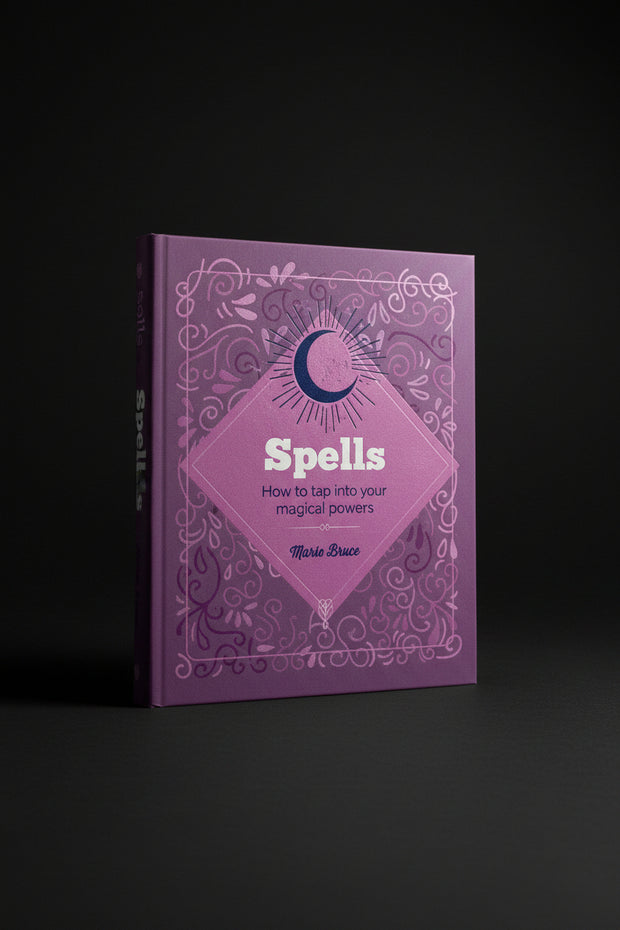
A current edition may be preferable when you need clean diagrams, reliable pagination, a returnable reading copy, or a book that will be used frequently. Explore active titles such as Essential Book of Spells, The Book of Practical Witchcraft, and Natural Magic: Spells, Enchantments and Personal Growth.
For evaluating content rather than physical condition, read How to Evaluate an Occult Book.
Frequently Asked Questions
Is writing in an occult book spiritually dangerous?
No conclusion follows from handwriting alone. Evaluate the content, privacy, provenance, and physical condition without turning ordinary annotations into frightening claims.
Can mold be cleaned from a book at home?
Minor surface contamination and serious active mold are different problems. Valuable, extensive, or health-sensitive cases should be handled by a conservator or appropriate remediation professional.
Does a first edition always have high value?
No. Demand, scarcity, condition, importance, completeness, and provenance all matter.
Are ex-library books bad?
They may be sturdy and affordable but often contain stamps, labels, reinforced bindings, or removed pockets. Confirm they were legitimately withdrawn.
Should I remove a previous owner’s bookplate?
Usually preserve it when provenance or collecting value matters. Removal can damage the paper and erase ownership history.
Can I return a used book because of odor?
That depends on the seller’s policy and description. Ask about odor before purchasing and document any material discrepancy immediately.
Buy the Copy That Serves Your Purpose
A working book can tolerate ordinary wear. A research edition needs complete and identifiable text. A collectible copy requires stronger condition and provenance evidence. Verify the edition, inspect completeness, ask direct condition questions, and do not let a mysterious story replace documentation.
Tools for this practice
Explore the products selected for this guide. Review each listing for what is included and how to use it.

Shop this guide · 2 items Collapse


Keep exploring the shop
You made it to the end of the guide. Keep exploring through related products, major departments, or the full catalog.


Leave a comment