


Secondhand Occult Tools: How to Inspect, Clean, Use, or Decline Used Items

Secondhand occult tools can be affordable, historically interesting, environmentally responsible, and personally meaningful. A used tarot deck may be out of print. A statue may have been carefully maintained for decades. A wooden box may be better made than a new equivalent.
Used items can also carry mold, insects, smoke residue, fragrance, corrosion, broken parts, unknown oils, private records, misleading provenance, or damage hidden by photographs.
The first question should not be, “Is the energy bad?” It should be: What is this object, where has it been, what touched it, and can it be cleaned and used safely?
Why Buy Secondhand?
- lower cost;
- access to discontinued books, decks, or designs;
- reduced demand for new manufacturing;
- higher-quality vintage materials;
- local history or family meaning;
- repair and reuse skills;
- the ability to examine an object in person.
Secondhand does not automatically mean ethical, rare, antique, or safe. Evaluate the specific item.
Ask for Provenance
Provenance is the documented history of ownership, origin, manufacture, and use. For an ordinary modern object, complete documentation may not exist. The seller should still answer basic questions.
Ask:
- Where was it acquired?
- How old is it?
- Who made or published it?
- Was it used with food, incense, charcoal, oils, bodily materials, plants, or chemicals?
- Was it stored in a smoking home, damp basement, attic, garage, or pet area?
- Has it been repaired, painted, glued, treated, or polished?
- Are any parts missing?
- Why is it being sold?
- Are there receipts, edition details, maker’s marks, or original packaging?
“Estate item,” “ritual used,” and “antique” are descriptions, not proof.
Inspect Before You Buy
When possible, examine:
- odor;
- mold, mildew, or water staining;
- insects, webbing, eggs, or frass;
- rust, verdigris, flaking metal, and damaged plating;
- cracks, chips, sharp edges, and unstable bases;
- loose glue, wire, hinges, clasps, or handles;
- warping, swelling, delamination, and fading;
- oil, wax, soot, ash, powder, or sticky residue;
- missing labels and unknown contents;
- signatures, names, petitions, photographs, or private information.
Ask for close photographs of the bottom, interior, seams, edges, labels, and damaged areas—not only the display side.
Quarantine New Arrivals
Do not place a used item directly into your altar cabinet, bookcase, textile storage, or mineral collection.
- Open the package in a washable, well-lit area.
- Photograph the condition.
- Keep packing material away from clean storage.
- Inspect for insects, mold, moisture, leakage, and odor.
- Isolate the object until you know how it should be cleaned.
- Wash hands after handling unknown residue.
- Do not burn, ingest, apply, or heat anything unidentified.
A symbolic cleansing does not remove pests, spores, chemicals, or physical residue.
Tarot and Oracle Decks
Check:
- card count;
- guidebook and box;
- edition and publisher;
- bent, torn, marked, sticky, or water-damaged cards;
- smoke and fragrance saturation;
- mold along card edges;
- writing that reveals another person’s private reading;
- whether replacement cards are available.
Paper cards cannot tolerate universal disinfecting methods. Do not spray them with cleaner, perfume, essential oil, or smoke. Use clean dry handling and follow conservation-safe guidance for valuable decks.
Read How to Store and Care for Tarot and Oracle Decks.
Books and Journals
Used occult books may contain valuable annotations, but also mold, pests, brittle paper, detached bindings, and private information.
- Check the copyright page and edition.
- Look for missing pages and water tide lines.
- Smell cautiously for mildew or heavy fragrance.
- Inspect the spine and page edges.
- Do not erase historically useful notes without considering their value.
- Remove personal addresses, financial records, or identifying documents responsibly.
- Do not add a moldy book to a clean library.
A handwritten grimoire may belong to a family or contain information never intended for publication. Consider privacy and lawful ownership before sharing images online.
Statues and Decorative Objects
Determine whether the statue is stone, resin, plaster, ceramic, metal, wood, or a composite. Check the base, thin projections, repairs, paint, and hanging hardware.
Do not assume:
- a heavy object is solid stone;
- a gold-colored finish is brass;
- a dark patina is ancient;
- a repaired crack is stable;
- paint is suitable for washing;
- a religious-looking object was used historically.
Place heavy items low and stable. Keep cracked or repaired objects away from flame and overhead display.
Bowls, Chalices, Cauldrons, and Vessels
Used vessels require strict boundaries.
Do not use a vessel for food or drink when it previously held:
- incense ash or charcoal;
- ritual oils;
- unknown herbs or powders;
- paint, pigment, wax, or chemicals;
- soil or outdoor material;
- bodily substances;
- metal polish or unknown cleaners.
Decorative ceramic and metal are not automatically food-safe, heat-safe, or flame-safe. A used cauldron with unknown history should remain nonfood.
Metal Tools
Inspect knives, bells, tongs, rods, keys, spoons, and metal altar pieces for:
- rust and active corrosion;
- flaking plating;
- loose handles;
- sharp burrs;
- bent rods;
- cracks around cast joints;
- unknown polish or oil;
- unstable repair work.
Do not aggressively polish an antique or plated item. Patina may be stable and historically relevant, while harsh polishing can remove the original surface.
Crystals and Mineral Specimens
Used stones may be natural, treated, dyed, coated, repaired, glued, or incorrectly labeled.
- Request the mineral name and locality when known.
- Look for chips, cleavage fractures, loose matrix, dye, coating, and adhesive.
- Do not soak an unidentified specimen.
- Keep soft and fragile stones separated during transport.
- Wash hands after handling unknown mineral material.
- Do not use mineral vessels for food or water without reliable material and safety information.
Use Crystal Hardness vs. Toughness vs. Cleavage before cleaning or displaying a specimen.
Textiles, Altar Cloths, and Pouches
Fabric can retain smoke, fragrance, oils, wax, insects, mold, and allergens.
- Identify the fiber and dye when possible.
- Inspect seams, fringe, embroidery, and attached charms.
- Check for wax and oily staining.
- Keep infested or moldy textiles away from the home.
- Follow suitable laundering or conservation guidance.
- Do not apply heat until you understand the stain and fiber.
Some odors cannot be removed without damaging the material. Declining the item may be the safest decision.
Do Not Buy Used Consumables With Unknown History
Exercise strong caution with opened or unlabeled:
- ritual oils;
- incense powders and resins;
- herbs;
- bath products;
- candles dressed with unknown material;
- charcoal;
- food offerings;
- cosmetics or skin products;
- liquids in decorative bottles.
Identity, ingredients, contamination, allergens, age, and storage conditions may be impossible to verify. Do not burn or apply a mystery substance merely because it came from an altar.
Physical Cleaning Comes First
Identify every material and use the least invasive method.
- Dry dust with a soft cloth or brush when appropriate.
- Test any moisture or cleaner on a hidden area.
- Avoid universal soaking.
- Keep salt away from soft stone, metal, wood, and porous material.
- Do not use smoke as physical cleaning.
- Do not oil wood, stone, or metal without knowing the finish.
- Dry completely before storage.
- Document repairs and treatments.
Follow How to Clean Ritual Tools by Material.
What About Spiritual Cleansing?
Spiritual cleansing is optional and tradition-dependent. It can mark a change of ownership, dedication, or beginning. It should not be used to disguise uncertainty about physical condition.
Low-risk symbolic options include:
- placing the clean object on a designated cloth;
- speaking a dedication;
- ringing a bell where sound is appropriate;
- using a written statement of new purpose;
- leaving the object unused for a defined period;
- performing a smoke-free ritual gesture.
You do not need to assume that the previous owner’s emotions, spirits, or “energy” are dangerous. If the item creates persistent fear, returning or declining it may be healthier than escalating cleansing rituals.
Privacy and Ethical Ownership
A secondhand object can contain:
- client names and reading notes;
- photographs;
- petitions;
- medical or relationship information;
- addresses;
- initiation material;
- family records;
- culturally restricted content.
Do not post private pages for entertainment. Secure, return, redact, or destroy sensitive information appropriately. Read Privacy and Confidentiality in Spiritual Practice.
Authenticity and “Haunted” Marketing
Claims that an item is haunted, cursed, priest-owned, temple-used, ancient, or recovered from a famous location can inflate price without providing evidence.
Ask for documentation and evaluate the physical object independently. A dramatic story does not establish age, ownership, power, or authenticity. Avoid sellers who use fear to pressure an immediate purchase or sell an expensive cleansing afterward.
When to Decline the Item
Walk away when:
- mold or infestation is present;
- the substance or material cannot be identified and exposure matters;
- the seller will not show damage;
- a vessel’s prior use makes safe reuse uncertain;
- a blade or heavy object is structurally unstable;
- the item may be unlawfully obtained or culturally restricted;
- private records are being sold exploitatively;
- the price depends entirely on an unverifiable supernatural story;
- you feel pressured by fear, scarcity, or guilt;
- cleaning and repair will cost more than a safer alternative.
Document the New Use
After inspection and cleaning, record:
- date acquired;
- seller and location;
- known provenance;
- materials;
- condition and photographs;
- cleaning and repair methods;
- restrictions on food, skin, water, heat, or flame;
- new ritual function;
- storage location.
This improves future care and prevents the same uncertainty when the object changes owners again.
New Alternatives When Used Condition Is Uncertain
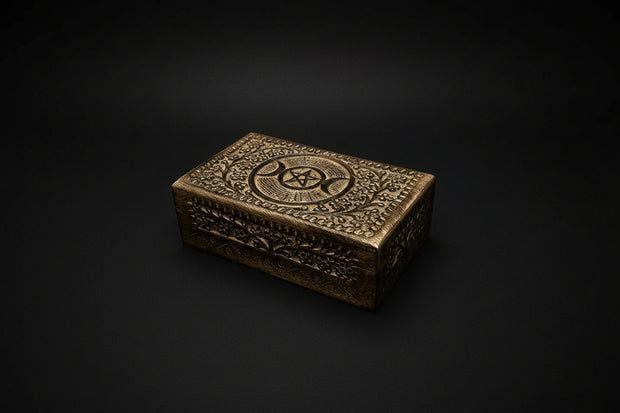
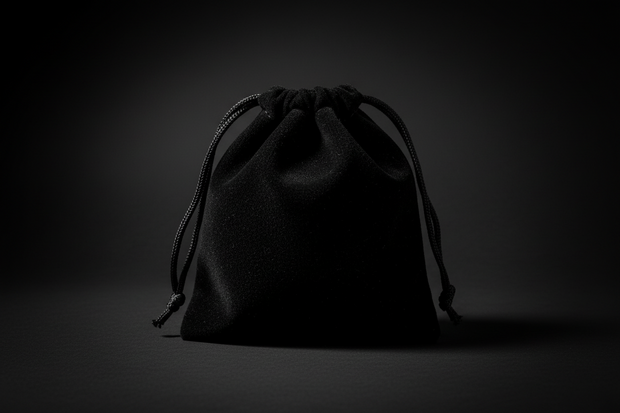
Secondhand objects can be excellent, but new items with known labels and care information may be more appropriate for food contact, heat, skin, fragrance, or fragile materials. Browse Tarot, Altar Supplies, and Storage & Chests when condition or provenance cannot be verified. A Triple Moon Pentacle Box can organize clean, dry tools, while a Black Velvet Pouch separates small durable objects inside rigid storage.
Frequently Asked Questions
Are used tarot decks spiritually unsafe?
There is no universal rule that they are unsafe. Inspect the deck physically, protect privacy, and use an optional dedication if it fits your practice.
Should I cleanse every secondhand tool?
Physically clean it according to material and condition. Symbolic cleansing is optional and should not damage the object.
Can I use a secondhand chalice for drinking?
Only when the material, coating, condition, and prior use are reliably known to be food-safe. Unknown ritual vessels should remain nonfood.
Can smoke remove the previous owner’s residue?
No. Smoke adds residue. Use material-appropriate physical cleaning first.
Are handwritten grimoires okay to buy?
Possibly, but consider lawful ownership, privacy, family significance, restricted material, and whether the seller has the right to distribute the contents.
What if the object makes me uncomfortable?
You are not obligated to keep it. Return, resell, donate, or responsibly decline the item rather than performing escalating rituals out of fear.
Reuse Begins With Knowledge
Secondhand occult tools deserve the same scrutiny as any used book, vessel, textile, mineral, blade, or collectible. Verify provenance where possible, quarantine new arrivals, identify materials, clean physically, protect private information, reject unsafe consumables, and let symbolic dedication follow—not replace—practical care.
Tools for this practice
Explore the products selected for this guide. Review each listing for what is included and how to use it.
Shop this guide · 2 items Collapse


Keep exploring the shop
You made it to the end of the guide. Keep exploring through related products, major departments, or the full catalog.


Leave a comment