


How to Choose a Ritual Chalice: Uses, Materials, Libations, and Care

A ritual chalice can look simple: a cup placed on an altar. In practice, it may serve several very different purposes. One practitioner may use it to represent Water, another may pour libations from it, and another may keep it empty as a symbol of receptivity, communion, or sacred presence. The right chalice is therefore not necessarily the most ornate one. It is the vessel whose material, size, stability, symbolism, and cleaning needs match the work you actually intend to perform.
This guide explains how to choose a ritual chalice, how chalices differ from offering bowls and ordinary cups, how they are commonly used in modern Wiccan and Pagan practice, and where firm safety boundaries belong. The most important distinction is established early: a vessel suitable for symbolic or offering use is not automatically safe for drinking.
What Is a Ritual Chalice?
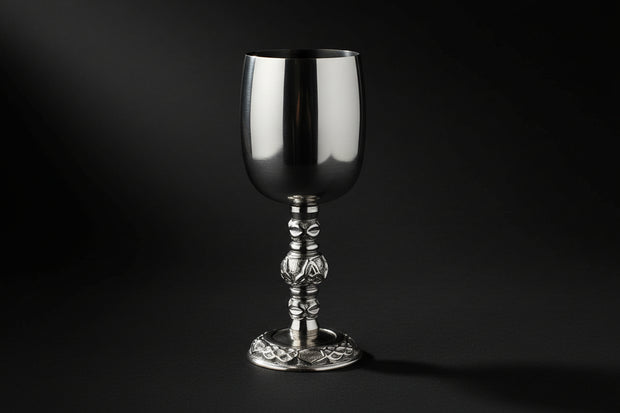
A ritual chalice is a cup-shaped ceremonial vessel used in religious, magical, devotional, or symbolic practice. It may be stemmed like a goblet, shaped like a small cup, or formed as a low drinking bowl. Its purpose comes from the ritual system and the practitioner’s use rather than from one required design.
In many modern Wiccan systems, the chalice is associated with Water, receptivity, emotion, intuition, and the life-giving or containing principle. Some traditions place it in the west of the altar or use it in rites involving blessing, communion, seasonal celebration, or symbolic union. These correspondences are common but not universal. A specific coven, initiatory tradition, devotional path, or solitary practice may assign the vessel differently.
Readers new to this framework may find it useful to begin with our introduction to Wiccan beliefs and ritual structure. The chalice makes the most sense when understood as part of a complete working system rather than as an isolated object that possesses one fixed meaning.
Chalice, Cup, Goblet, and Offering Bowl: What Is the Difference?
These terms overlap, but the shape and intended task can help you choose correctly.
- Chalice: A ceremonial cup, often stemmed, used for symbolic liquids, libations, blessings, or ritual representation.
- Goblet: A physical shape—a bowl with a stem and base. A goblet can become a ritual chalice when dedicated to ceremonial use.
- Cup: A general drinking-vessel form. A plain cup can serve ritually if its material and intended use are appropriate.
- Offering bowl: Usually wider and lower, making it better for solid offerings, small objects, coins, herbs, or food portions that will not be consumed.
- Libation vessel: Any vessel used to hold or pour a liquid offering. It may be a chalice, bowl, cup, bottle, or pitcher.
A chalice is usually easier to lift, present, pass, or raise ceremonially. An offering bowl is usually easier to leave on the altar without spilling and to clean after solid offerings. When the task is primarily containment rather than drinking or ceremonial presentation, compare the options in our Offering Bowls collection.
Begin With the Intended Use
Before choosing a material or symbol, decide what the vessel must do. This one decision eliminates most unsuitable options.
Symbolic Altar Representation
A chalice used only to represent Water, receptivity, or sacred presence does not need to hold liquid at all. Stability, proportion, and visual meaning matter more than capacity. This is often the easiest choice for small altars, homes with pets, or spaces where spills would be damaging.
Holding a Non-Ingested Libation
A libation may consist of water, tea, juice, wine, milk, or another culturally appropriate liquid offered during devotion or ceremony. If no one will drink from the vessel, you still need a material that will not be damaged by the liquid and that can be cleaned promptly. Acidic drinks, dairy, oils, and sweet liquids can stain, corrode, spoil, or leave residue in unsuitable materials.
Actual Ritual Drinking
This use requires the strictest standard. Do not drink from a chalice merely because it resembles drinkware or because a product description calls it ceremonial. Use it for ingestion only when the manufacturer or seller clearly identifies the vessel and its finish as food-safe for the specific beverage and temperature involved.
Decorative coatings, unknown alloys, adhesives, solder, patinas, porous stone, damaged glaze, and internal finishes may be inappropriate for consumption. When food safety is uncertain, treat the chalice as symbolic equipment and use a separate verified food-safe cup for anything that will be consumed.
Pouring Rather Than Drinking
A chalice can be used to pour water onto soil, transfer a libation into an offering bowl, or measure a small ceremonial amount. A wide rim pours differently from a narrow one, and a tall stem may feel less stable when tilted. Test the vessel over a sink with plain water before using it near cloth, books, candles, electronics, or fragile altar pieces.
Travel and Outdoor Ritual
Portable practice benefits from a small, durable, unmarked vessel with a broad base. Avoid delicate stems and irreplaceable pieces. Carry it dry, wrap it separately, and never leave ritual vessels or offerings outdoors as litter.
Choosing a Chalice Material
Stainless Steel
Stainless steel is practical for frequent ritual use because it is durable, relatively light, and easier to clean than many porous materials. It resists ordinary wear and suits practitioners who prefer a neutral vessel without elaborate symbolism.
The Small Unmarked Stainless Steel Ritual Chalice is a compact option for a travel altar or limited surface area. The Plain Stainless-Steel Chalice offers another neutral design for practitioners who want the ritual itself—not an engraved emblem—to determine the vessel’s meaning.
Stainless steel construction alone does not establish food safety for a finished product. Seams, coatings, manufacturing specifications, and intended use still matter. Confirm before drinking.
Ceramic
Ceramic can feel grounded, domestic, and appropriate for seasonal or hearth-centered work. A glazed ceramic vessel may be easy to wash, but only intact, verified food-safe glaze should contact beverages meant for consumption. Retire a drinking vessel if the glaze becomes cracked, chipped, or deeply crazed.
Unglazed or partly glazed ceramics may absorb liquid and scent. That can be acceptable for a dedicated symbolic vessel, but it complicates sanitation and makes switching between oils, milk, wine, and water a poor practice.
Glass
Glass makes the contents visible and can work well in water, lunar, cleansing, or seasonal rites. It also allows you to inspect residue clearly. Its disadvantages are breakage, thermal shock, and slippery handling. Do not place hot liquid into glass unless the vessel is specifically rated for the temperature change.
Brass, Copper, and Other Metals
Metal vessels have strong visual presence and may acquire a meaningful patina through use. They also demand care. Copper, brass, plated metal, and unknown alloys can react with acids or develop corrosion. A decorative metal bowl or chalice should not be assumed safe for beverages.
Use manufacturer guidance for cleaning and compatible liquids. Avoid improvised chemical cleaners that may leave residue or strip a protective finish. A metal vessel intended only for a brief water offering is a different choice from one intended for wine, citrus, dairy, or repeated drinking.
Wood and Horn
Wooden and horn vessels can carry strong cultural, ancestral, or land-based associations, but they are generally more porous and sensitive to moisture than steel or glass. They may warp, crack, retain odor, or require specialized conditioning. Do not soak them, and do not use household oils or finishes without knowing whether they are suitable for the intended contact.
Stone and Crystal
Stone and crystal vessels are often best treated as decorative or symbolic tools. Some minerals are water-sensitive, porous, fragile, dyed, stabilized, or capable of releasing unwanted material into liquid. Even a mineral that tolerates water physically may not be appropriate for ingestion.
Use stone chalices and bowls to hold dry objects only when the material is known and compatible. Never prepare “crystal-infused” drinking water by placing an unidentified mineral directly into it.
Plain or Symbolic: Choosing the Design
A plain chalice is flexible. It can move between seasonal rites, elemental work, devotional practice, and non-theistic ceremony without imposing a single symbol. It is also easier to use in a shared household or public setting where discretion matters.
An engraved symbol can strengthen visual consistency when it genuinely belongs to the practice. The Stainless Steel Chalice with Engraved Pentacle is suited to practitioners who want a pentacle visibly present in their altar arrangement. In modern Wiccan and witchcraft settings, the pentacle commonly signifies protection, elemental relationship, embodied practice, or the ordered sacred space.
A symbol should support the rite rather than replace understanding. There is no requirement that a chalice display a pentacle, moon, deity image, knot, animal, or inscription. An object does not become more spiritually effective merely because it carries more decoration.
Size, Shape, and Stability
The most useful chalice is one you can handle confidently.
- Small chalices: Good for compact altars, single-person rites, small libations, and travel.
- Medium chalices: Easier to see in a full altar arrangement and more practical for group presentation.
- Wide bases: Reduce tipping risk, especially around cloth, pets, children, or outdoor ground.
- Tall stems: Create ceremonial presence but raise the center of gravity and can be awkward in crowded spaces.
- Wide mouths: Simplify filling and cleaning but may spill more easily when carried.
- Rolled or smooth rims: Matter when the vessel will be lifted near the face, even if no one drinks.
Check the vessel on the actual altar surface. A chalice stable on a kitchen counter may wobble on carved wood, thick velvet, uneven stone, or a portable altar box. Fill it only partway until you understand its balance.
Using a Chalice in Ritual
Elemental Representation
Fill the chalice with clean water or leave it empty as a sign of Water and receptivity. If the ritual uses directional correspondences, place it according to your own tradition rather than assuming every system uses the same altar map.
Blessing Water
A chalice may hold water while a prayer, intention, or blessing is spoken. The water can then be used externally in a manner appropriate to the practice. Do not ingest it if oils, ash, unknown herbs, stones, ritual powders, or non-food-safe tools have contacted it.
Libations
Pour a small amount of an appropriate liquid into the vessel, present it during the rite, and dispose of it responsibly afterward. Plan disposal before the ceremony begins. Do not pour alcohol, milk, saltwater, sweet liquid, or oily material onto land without considering animals, plants, pests, local rules, and the composition of the offering.
Our guide to offerings, libations, and respectful disposal explains how to choose and remove offerings without turning devotion into contamination or litter.
Symbolic Communion
Some rites include sharing a beverage, receiving a blessing from a cup, or presenting the chalice as a symbol of relationship. In group settings, consent and hygiene matter. No participant should be pressured to consume alcohol, share a rim, drink an unknown preparation, or ingest anything that conflicts with health needs, medication, recovery, pregnancy, age, religion, or personal boundaries.
Individual verified food-safe cups are often the better choice. Symbolic participation can also use an empty gesture, a spoken blessing, or a sealed personal beverage.
A Simple Chalice Dedication
A new chalice does not require an elaborate consecration. Clean it according to its material, place it on the altar, and state what role it will serve.
I set this vessel apart for deliberate use. May it hold only what I choose with care, and may its purpose remain clear in every rite.
You may then fill it with plain water, hold it briefly, and empty the water in a sink or appropriate place. Dedication is a commitment to use, care, and boundaries—not a substitute for physical cleaning or material safety.
For help building a larger ceremony around the vessel, see our step-by-step guide to crafting Pagan rituals.
Cleaning and Caring for a Ritual Chalice
- Follow the maker’s instructions. Material-specific guidance takes priority over a generalized ritual cleaning method.
- Empty liquids promptly. Do not let milk, juice, wine, tea, sweetened drinks, or plant matter sit for days.
- Wash physical residue away. Smoke, prayer, moonlight, sound, or energetic cleansing does not remove sugar, bacteria, oil, corrosion, or allergens.
- Dry completely. Moisture trapped in seams, bases, porous materials, or storage cloth can cause odor, corrosion, or damage.
- Inspect before use. Look for cracks, chips, sharp edges, loosened stems, damaged plating, rust, discoloration, or unknown residue.
- Store separately when needed. Keep the vessel protected from ash, loose herbs, leaking oils, and tools that could scratch it.
If the chalice has ever held ritual oil, incense ash, unknown plant material, loose mineral fragments, cleaning chemicals, or a non-potable preparation, do not later use it for drinking. Clear role separation is safer than trying to restore uncertain drinkware status.
Common Chalice Mistakes
Assuming “Ritual Drinking Bowl” Means Food-Safe
Spiritual language describes intended symbolism, not necessarily manufacturing certification. Seek explicit food-contact guidance before consumption.
Using One Vessel for Everything
A chalice that alternates between wine, oils, herbal mixtures, ash, saltwater, and decorative stones is difficult to maintain safely. Dedicate separate vessels to ingestible and non-ingestible work.
Burning Material Inside It
A chalice is not automatically a burner or cauldron. Do not place charcoal, candles, burning herbs, hot resin, or flame inside unless the vessel is specifically designed and rated for that use. Heat can fracture glass and ceramic, damage coatings, weaken solder, overheat metal, and ignite nearby altar materials.
Choosing Height Over Stability
A dramatic stemmed goblet may be beautiful but impractical on a narrow altar. Spilled liquid can damage books, cloth, wood, electronics, statues, and other tools.
Leaving Offerings Indefinitely
Liquid offerings spoil, evaporate, stain, attract pests, and develop odor. Set a clear removal time and clean the vessel after the rite.
Ritual Chalice Frequently Asked Questions
Does a Chalice Have to Be Silver?
No. Stainless steel, ceramic, glass, wood, brass, and other materials may all serve ritual purposes when their care and safety match the intended use.
Does a Wiccan Chalice Need a Pentacle?
No. A pentacle is meaningful in many practices, but a plain chalice is equally valid. Choose symbolism that belongs to your path rather than decoration selected only to make the object appear more occult.
Can I Use an Ordinary Cup?
Yes. A clean, stable cup can be dedicated to ritual use. A verified food-safe household cup may be the most responsible choice when the rite includes actual drinking.
Can the Chalice Hold Moon Water?
It can hold water symbolically if the material tolerates it. Do not drink water that has been left exposed outdoors or contaminated by unknown surfaces, stones, herbs, oils, insects, ash, or ritual materials.
Where Does the Chalice Go on the Altar?
Placement depends on the tradition and the physical altar. Some modern Wiccan arrangements associate it with Water and the west, while others place it where it is safest and most useful. Tradition and practical stability should work together.
Should I Share the Chalice in a Group?
Only when every participant freely agrees and hygiene, allergies, ingredients, alcohol content, and food safety are fully addressed. Separate cups or symbolic participation are often better.
Choosing a Vessel With a Clear Purpose
A ritual chalice does not need to be rare, expensive, or heavily ornamented. It needs a defined role. Decide whether it will represent an element, contain a non-ingested libation, pour a blessing, support devotion, travel with you, or hold a beverage that will actually be consumed. Then choose a material and form that can perform that role safely.
Keep drinking vessels separate from vessels used with oils, ash, powders, stones, and unknown herbs. Clean physical residue with the same seriousness you bring to spiritual preparation. A well-chosen chalice becomes meaningful through repeated, responsible use.
Explore the live Chalices & Cups collection for plain and symbolic ritual vessels suited to different altar sizes and practices.
Tools for this practice
Explore the products selected for this guide. Review each listing for what is included and how to use it.
Shop this guide · 1 item Collapse

Keep exploring the shop
You made it to the end of the guide. Keep exploring through related products, major departments, or the full catalog.
 RELATED TO THIS GUIDE
Ritual Supplies & Altar Tools
Shop this topic
RELATED TO THIS GUIDE
Ritual Supplies & Altar Tools
Shop this topic


Leave a comment