


Wicca 101: Introduction to Wiccan Beliefs and Rituals

Wicca is a modern Pagan religion that developed publicly in the twentieth century. It commonly includes ritual magic, nature reverence, seasonal festivals, lunar observances, sacred space, and varied understandings of deity.
Wicca is diverse. Initiatory traditions, solitary practitioners, and eclectic Wiccans may differ in theology, ethics, ritual structure, and use of tools.
What Is Wicca?
Wicca emerged publicly in Britain during the mid-twentieth century and is closely associated with Gerald Gardner and later teachers. It drew from ceremonial magic, folklore, romantic ideas about pre-Christian religion, ritual practice, and modern occult movements.
Wicca is part of the broader Pagan umbrella, but Paganism includes many religions that are not Wiccan.
Common Wiccan Beliefs
Nature and Seasonal Cycles
Many Wiccans understand the natural world and its seasonal changes as sacred or spiritually meaningful.
Deity
Some Wiccans honor a Goddess and God, while others are polytheist, pantheist, duotheist, animist, agnostic, or eclectic.
The Elements
Earth, Air, Fire, Water, and Spirit are often used as ritual categories connected with directions, tools, qualities, and stages of ceremony.
Ethics
The Wiccan Rede and ideas about magical consequence influence many practitioners, but interpretation varies and not every Wiccan follows an identical ethical formula.
The Structure of Wiccan Practice
Solitary and Coven Practice
Some Wiccans train within initiatory covens, while others practice alone through self-study or eclectic traditions.
Circles and Sacred Space
Ritual may involve cleansing, casting a circle, calling directions or elements, honoring deity, performing the central work, and formally closing.
Sabbats and Esbats
Sabbats are seasonal festivals associated with the Wheel of the Year. Esbats are lunar observances, often held at the full or new moon.
Common Tools
- Athame: Ritual blade used symbolically to direct energy
- Wand: Tool for invocation or direction
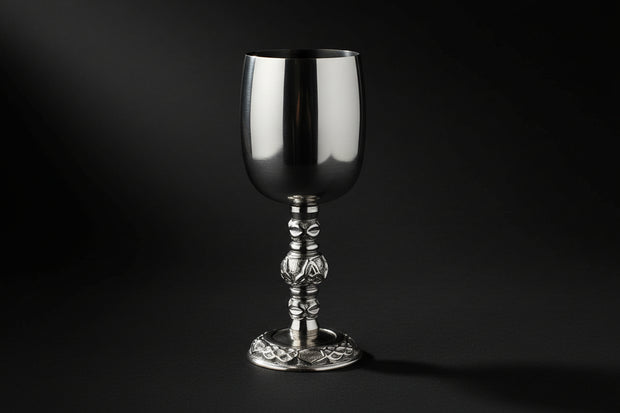
- Chalice: Cup associated with Water, offering, or deity
- Pentacle: Symbol and altar tool associated with Earth
- Cauldron: Symbol of transformation, containment, and rebirth
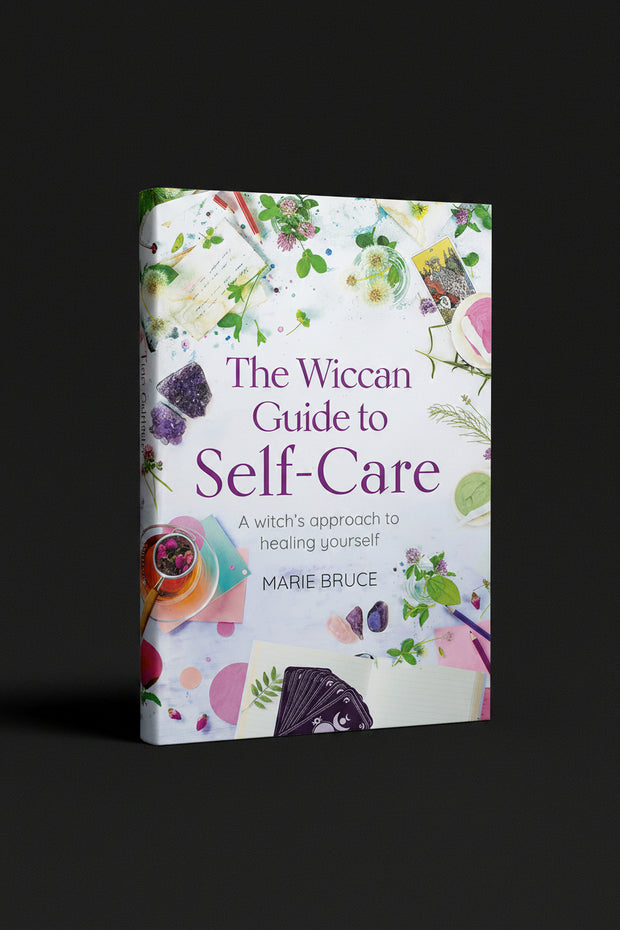
- Book of Shadows: Record of rituals, study, and personal experience
Beginner Wiccan Practices
- Observe the moon and seasonal changes.
- Learn grounding, centering, and visualization.
- Keep a Book of Shadows or study journal.
- Create a simple altar with safe, meaningful objects.
- Study the history of Wicca alongside modern practitioner material.
- Practice one clear ritual rather than buying every possible tool.
How to Begin Studying Wicca
- Learn the difference between Wicca, witchcraft, and Paganism.
- Read about both initiatory and solitary forms.
- Study the Wheel of the Year, lunar practice, elements, and ritual structure.
- Evaluate authors and historical claims carefully.
- Begin slowly and record what you actually practice and observe.
Frequently Asked Questions
Do Wiccans worship Satan?
No. Satan is not a required figure in Wiccan theology.
Do you need initiation to be Wiccan?
Traditional initiatory forms require coven initiation, while many solitary and eclectic practitioners use the Wiccan label without it.
Are spells required?
No. Devotion, seasonal observance, meditation, study, and ritual can be practiced without spellwork.
Do you need ritual tools?
No. Tools can support symbolism and focus, but a simple practice can begin with a journal, a safe light, and clear intention.
Related Reading
Tools for this practice
Explore the products selected for this guide. Review each listing for what is included and how to use it.

Shop this guide · 3 items Collapse


Keep exploring the shop
You made it to the end of the guide. Keep exploring through related products, major departments, or the full catalog.


Leave a comment