


How to Choose and Use a Ritual Bowl: Offerings, Water, Salt, Scrying, and Material Safety

A ritual bowl can hold water, offerings, herbs, salt, ash, incense, written papers, or nothing at all. That versatility is useful, but it also encourages one bowl to be treated as if it were safe for every substance and every method. It is not.
Choose the bowl by what it must physically do. Material, coating, porosity, heat rating, food-contact status, depth, stability, and cleaning requirements matter before symbolism.
Define the Bowl’s Job
Write the intended use before selecting the object.
- dry offering bowl;
- liquid offering or libation vessel;
- water bowl for reflection or symbolic cleansing;
- salt, soil, herb, or stone container;
- incense or charcoal vessel;
- scrying bowl;
- temporary container for petitions or ritual remains;
- display piece with no active contents.
A bowl chosen for dry flowers may be unsuitable for water. A food-safe cup may be unsafe over heat. A heat-resistant metal bowl may react with salt or acidic liquid.
Bowl, Chalice, Cauldron, Censer, and Mortar Are Different Tools
- Bowl: broad open vessel for holding or presenting material.
- Chalice: stemmed or cup-shaped vessel usually associated with liquid, offering, or ceremonial drinking.
- Cauldron: deeper vessel, often metal, whose safe uses depend on construction and heat rating.
- Censer: purpose-built incense burner designed to manage heat, ash, and airflow.
- Mortar: grinding bowl made to withstand pressure and abrasion from a pestle.
Trade names overlap, but the construction decides what the object can safely do. A decorative bowl does not become a censer because incense was placed inside it.
Common Bowl Materials
Glass
Glass is nonporous and makes liquid visible, but ordinary decorative glass may crack from heat or sudden temperature change. Inspect for chips and never assume it is flame-safe.
Glazed ceramic
Glaze can make a bowl easier to clean, but age, cracks, unknown pigments, and decorative finishes affect food and liquid safety. Heat can damage ceramics not designed for burners.
Unglazed ceramic and clay
Porous material absorbs oil, water, scent, pigment, and residue. It may be suitable for a dedicated dry use but difficult to sanitize.
Stainless steel
Stainless steel is durable and relatively easy to clean, though finish, seams, heat transfer, and product rating still matter. Metal becomes hot rapidly.
Cast iron
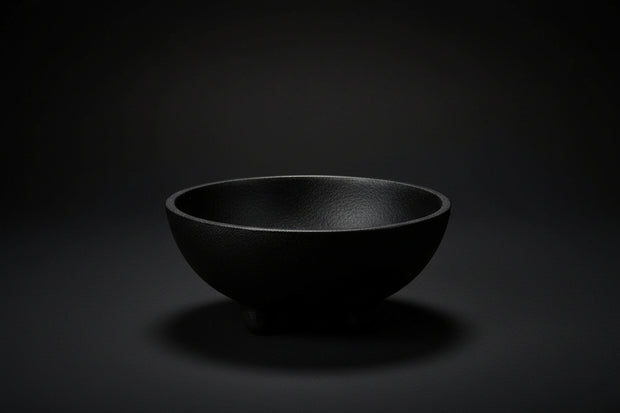
Cast iron is heavy and can offer stability, but it rusts when wet, transfers heat, and may have coatings or seasoning that determine use. A cast-iron incense or offering bowl should sit on a heat-resistant surface.
Brass and copper alloys
These metals are visually traditional in many contexts, but they tarnish and can react with salts, acids, oils, and moisture. Decorative brass is not automatically food-safe.
Wood
Wood is light and quiet but porous. It absorbs oil and moisture, can crack, and should not hold flame or hot charcoal.
Stone and carved mineral
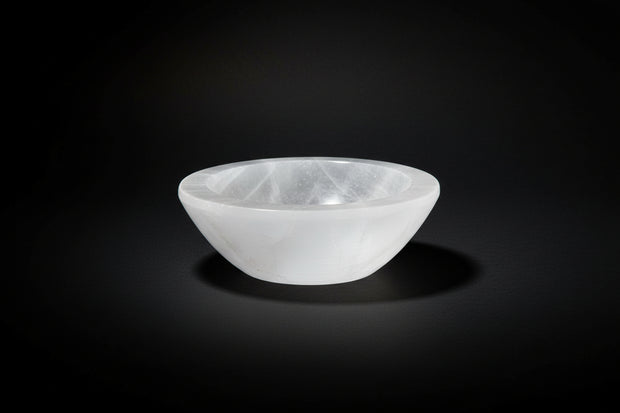
Stone bowls vary enormously. Soft minerals scratch; cleavable minerals split; porous material stains; soluble minerals react with water. A white selenite bowl, for example, is best treated as a dry display or storage object rather than a water, salt, oil, or heat vessel.
Shell
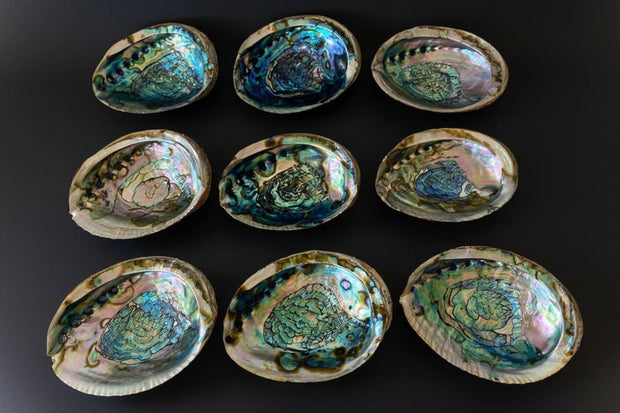
Natural shell can be culturally meaningful and visually distinctive, but it is not indestructible. Heat, impact, rapid temperature change, and direct charcoal can crack or scorch it. Use a stable stand and follow the maker’s instructions. Purchase does not grant permission to reproduce a culture-specific ceremony.
Dry Offerings
Dry offerings may include flowers, grain, written words, stones, coins, or objects appropriate to the actual devotional or ritual context.
Check:
- allergies and pet access;
- pest attraction;
- sharp edges and choking hazards;
- whether food will spoil;
- how long the offering remains;
- how it will be removed and disposed of;
- whether the bowl will return to food use.
Do not allow an offering bowl to become an unlabeled container of old plant material and unknown powders.
Liquid Offerings and Water Bowls
For water, milk, wine, juice, oil, or another liquid, verify that the bowl is nonporous, stable, compatible, and appropriate for food contact when anyone will drink from it.
- Do not place liquid in selenite, gypsum, salt, porous wood, or unknown stone.
- Do not leave perishable liquid standing for long periods.
- Keep liquids away from electrical cords, books, cards, and unstable shelves.
- Use a tray under the bowl.
- Clean and dry the vessel promptly.
- Do not pour oil, alcohol, milk, wax, or ritual mixtures outdoors without considering wildlife, soil, plumbing, and local rules.
If the purpose is specifically a libation, compare the open bowl with a dedicated cup using How to Choose a Ritual Chalice.
Salt, Soil, Herbs, and Powders
Dry material still affects the container.
- Salt corrodes metal and retains moisture.
- Soil can contain insects, mold, fertilizer, glass, or biological contaminants.
- Herbs shed dust and may stain porous surfaces.
- Charcoal powder spreads easily.
- Glitter and synthetic confetti are difficult to contain and should not be released outdoors.
- Unknown powders should not be handled or stored casually.
Label the bowl or its contents when material remains beyond one session.
Incense and Charcoal Require a Purpose-Built Setup
Charcoal discs and burning resins produce intense localized heat. A bowl’s appearance does not establish heat resistance.
A safer incense setup considers:
- manufacturer rating;
- heat-resistant material;
- stable, nonflammable base;
- sand or another approved insulating medium;
- airflow;
- distance from fabric, paper, herbs, oils, and shelves;
- ventilation and smoke sensitivity;
- pets, children, sprinklers, and alarms;
- how hot ash will be extinguished and discarded.
Use a censer or incense burner designed for the method. Read Incense Sticks, Cones, Resins, and Powders Compared.
Scrying With a Bowl
A dark, stable bowl of water can provide a reflective surface for contemplative or divinatory practice. The optical effect comes from lighting, angle, surface movement, expectation, and attention; it is not proof that every perceived image is an external message.
For safer use:
- place the bowl on a level surface;
- use modest, indirect light;
- keep flame separate from the liquid vessel;
- set a time limit;
- record impressions before interpretation;
- empty and dry the bowl afterward;
- stop if the practice increases distress, fixation, or sleep disruption.
Do not add dyes, oils, herbs, or reflective powders unless the vessel and cleanup method are compatible.
Food-Contact and Ritual-Only Bowls
Mark ritual-only bowls clearly. A vessel that has held incense ash, charcoal, unknown herbs, ritual oil, cemetery dirt, cleaning chemicals, or nonfood pigment should not return to kitchen use.
A symbolic cleansing does not establish food safety. When ceremonial drinking is part of the practice, use a dedicated food-safe vessel and manage shared-cup hygiene deliberately.
Size, Depth, and Stability
- Small shallow bowl: easy to display but spills and dries quickly.
- Deep bowl: contains loose material but can hide residue.
- Wide bowl: useful for reflection and offerings but occupies more altar space.
- Heavy bowl: stable but dangerous on high shelves or weak furniture.
- Footed bowl: visually elevated but may tip if the base is narrow.
- Handled bowl: easier to move only when handles remain cool and secure.
Measure the available surface and leave space around the vessel. The bowl should not crowd candles or sit where sleeves can catch it.
Cleaning and Storage
Follow the material and the residue.
- Allow heat to dissipate fully before moving or washing.
- Remove dry residue without blowing dust into the air.
- Avoid soaking wood, shell, soft minerals, repaired pieces, and unknown coatings.
- Dry metal completely.
- Do not use acidic cleaners on reactive stone or metal.
- Do not scrape glaze or polished surfaces with blades.
- Store fragile bowls individually with support under the base.
- Record whether the bowl is food-safe, heat-safe, water-safe, or dry-use only.
A Bowl-Selection Checklist
- Primary use:
- Material:
- Food-contact status:
- Heat rating:
- Water and salt compatibility:
- Porosity or coating:
- Size and stability:
- Cleaning method:
- Storage location:
- Disposal plan for contents:
Choose the Vessel by Its Function
Browse Altar Supplies and Chalices & Cups after defining the use. The Cast Iron Incense Burner and Offering Bowl is intended for heat-conscious ritual use; the Abalone Shell Ritual Bowl requires stable support and careful heat management; the White Selenite Bowl suits dry display and storage rather than water, salt, oil, or flame. Product category does not override material limits.
Review Altar vs. Shrine before assuming every devotional surface needs a bowl.
Frequently Asked Questions
Can one bowl hold offerings, water, incense, and food?
That is usually a poor plan. Heat, ash, oil, porous material, and contamination make separate dedicated vessels safer.
Can I burn charcoal directly in an abalone shell?
Direct heat can damage shell. Follow the product instructions, use an approved insulating setup and stable stand, and consider a purpose-built censer.
Is a selenite bowl water-safe?
Selenite is a soft gypsum material vulnerable to water and scratching. Keep it dry.
Can a decorative bowl be used for drinking?
Only when it is explicitly identified as food-safe and the glaze, metal, coating, and history support that use.
What should I do with a liquid offering?
Follow the tradition and practical safety. Remove perishable liquids promptly, avoid environmental harm, and never pour oils or unknown mixtures into soil or drains casually.
Does bowl color determine its ritual purpose?
Color may carry meaning in a chosen system, but it does not determine food, heat, water, or chemical safety.
A Ritual Bowl Is Still a Physical Vessel
Choose the job first, identify the material, verify heat and food-contact limits, control spills and contamination, and plan how the contents will leave the bowl. A well-chosen vessel supports the ritual because it performs safely—not because one object is expected to do everything.
Tools for this practice
Explore the products selected for this guide. Review each listing for what is included and how to use it.
Shop this guide · 3 items Collapse


Keep exploring the shop
You made it to the end of the guide. Keep exploring through related products, major departments, or the full catalog.
 RELATED TO THIS GUIDE
Candles & Incense
Shop this topic
RELATED TO THIS GUIDE
Candles & Incense
Shop this topic


Leave a comment