


How to End or Dismantle a Long-Term Spell or Altar Working

Some workings are designed to remain in place: protection jars, prosperity bowls, devotional candles, ancestor spaces, petitions, wards, altar arrangements, offerings, and repeated prayers. Eventually the goal changes, the materials deteriorate, the commitment ends, or the practitioner no longer consents to maintain the work.
A long-term working does not need to remain forever because ending it feels frightening. Close it deliberately, preserve any promises that still matter, and dismantle the physical materials according to what they actually are.
Why a Working May Need to End
- The stated goal has been completed or abandoned.
- The timeframe has expired.
- The practice is no longer sustainable.
- The materials are leaking, molding, attracting pests, corroding, or becoming a fire hazard.
- The relationship, home, job, or situation has changed.
- The working was created under pressure or without informed consent.
- The practitioner is taking a break or changing traditions.
- The altar is connected to grief, fear, or obligation that no longer serves a healthy purpose.
Ending a working is not the same as declaring it meaningless.
Find the Original Terms
Before moving anything, review the original petition, journal entry, instructions, vow, offering schedule, and intended duration.
Ask:
- What was the goal?
- Was an end date named?
- Was a promise made to a deity, spirit, ancestor, person, or community?
- Were any materials borrowed, inherited, restricted, or intended for return?
- Does the tradition prescribe a closing method?
- Are any contents hazardous, sharp, biological, flammable, or unknown?
Use Ritual Recordkeeping to reconstruct the working when notes are incomplete.
Distinguish the Relationship From the Arrangement
Removing an altar does not necessarily end devotion. Ending a spell does not automatically end every prayer or value connected to it. Decide separately whether you are ending:
- the physical display;
- the repeated ritual;
- the petition or practical goal;
- a devotional commitment;
- a vow or oath;
- a relationship with a group or tradition;
- all of the above.
If a vow was made, review Vows, Oaths, and Promises in Spiritual Practice. Do not assume a commercial spell instruction can create an obligation you can never leave.
Create a Closing Statement
A closing can be simple:
“This working began for the purpose recorded in my journal. I now declare the active work complete. I release the materials from that function, preserve the lessons and records, and end the obligations that were mine to end.”
Use wording consistent with your tradition. Do not make a new permanent promise merely because you feel nervous about ending the old one.
Photograph and Inventory the Working
Before dismantling, photograph the arrangement and list every object and material. This helps identify what belongs to the working, preserves the record, and prevents unknown contents from being mixed into ordinary storage.
Note damage, residue, wax, oil, corrosion, food, moisture, insects, mold, and broken glass.
Remove Materials in a Safe Order
- Extinguish flame and allow hot items to cool.
- Remove food, flowers, water, and other perishable offerings.
- Separate blades, pins, nails, glass, charcoal, ash, and sharp fragments.
- Seal unknown powders, oils, herbs, and liquids until identified.
- Remove papers and labels before washing vessels.
- Lift heavy statues and stones with full support.
- Move reusable tools to a temporary cleaning area.
- Leave the bare surface for final cleaning.
Do not burn everything as a symbolic shortcut. Ink, coatings, oils, plastics, synthetic cloth, treated wood, resin, and unknown materials can produce harmful smoke.
Dispose by Material, Not by Myth
| Material | Safer Consideration |
|---|---|
| Clean paper | Archive, recycle, shred, or dispose according to privacy needs |
| Wax | Allow to cool; discard or reuse only when composition is known |
| Food and drink | Dispose according to ordinary food safety; do not leave where animals may be harmed |
| Herbs and soil | Compost only when clean, noninvasive, and free of wax, salt, oil, glitter, or unknown substances |
| Salt | Keep out of soil and waterways; dispose in household waste when appropriate |
| Oil | Do not pour into soil or drains; follow local disposal guidance |
| Glass and metal | Clean when safe, recycle when accepted, or wrap sharp pieces securely |
| Charcoal and ash | Confirm completely cold, contain, and discard according to local rules |
See Proper Disposal of Ritual Remnants for more detailed material guidance.
Petitions, Names, and Private Records
Protect the privacy of anyone named in petitions, photographs, readings, medical notes, or relationship records. Archive only what you have a reason and right to keep. Shred or redact private information rather than posting it as aesthetic content.
A petition does not need to be burned to be closed. It can be marked complete, dated, folded into an archive, shredded, or disposed of securely. Review Petition Papers in Folk Magic.
Reusable Tools
Separate symbolic closure from physical cleaning. Identify the material before using water, salt, smoke, oils, solvents, sunlight, or heat.
- Remove wax without scratching the surface.
- Keep water away from soluble minerals, porous wood, paper, and unknown finishes.
- Do not use food vessels after they have held charcoal, unknown oils, powders, or nonfood substances.
- Inspect metal for rust, verdigris, and loose handles.
- Wash textiles according to fiber and dye.
- Discard consumables whose identity or condition is uncertain.
Decommissioning a Spell Jar or Bottle
Do not open a swollen, leaking, pressurized, moldy, or chemically reactive container casually. Wear appropriate protection, ventilate the area, keep it away from flame, and use local hazardous-waste guidance when the contents are unknown.
For a stable jar:
- State that the working is closed.
- Photograph the label and contents.
- Open it in a washable area.
- Separate sharp, liquid, organic, metal, and reusable contents.
- Dispose of each material appropriately.
- Clean or discard the vessel according to its prior use.
Ending a Devotional Altar
A devotional altar may involve more than objects. When appropriate:
- offer thanks without inventing fear;
- state whether devotion continues elsewhere;
- complete or renegotiate realistic promises;
- return borrowed or community-owned items;
- consult legitimate clergy or tradition holders for initiatory obligations;
- avoid repeated divination until you obtain permission to leave.
You retain the right to leave a practice that is coercive, unsafe, exploitative, or harmful.
Clean the Space
After objects are removed, clean the surface physically. Check for wax, soot, oil, water damage, pests, heat damage, unstable shelves, and fragrance residue. Repair the space before installing another altar.
A symbolic closing gesture can follow: open a window, ring a bell, wash the surface, remove the altar cloth, or leave the area empty for a chosen period.
Archive the Outcome
Record:
- date opened and closed;
- original goal;
- observable outcome;
- promises completed, transferred, or ended;
- materials disposed, retained, or donated;
- damage or safety concerns;
- lessons for future practice.
The review in Ritual Failure: How to Review a Working can help when the reason for closure is unclear.
Storage After Closure
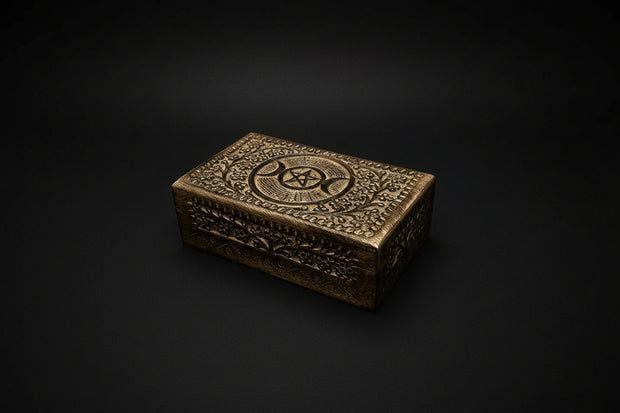
Use Ritual Chests and Storage & Chests for clean, dry, identified tools. The Triple Moon Altar Box can hold archived papers and stable objects, but it should not contain damp herbs, hot charcoal, leaking oils, or unidentified substances.
Frequently Asked Questions
Will ending a spell reverse its results?
Not automatically. Closing the active maintenance of a working is different from undoing every event connected to it.
Do I need permission from divination?
No universal rule requires repeated readings before ending your own working. Follow genuine community or initiatory obligations without surrendering safety or consent.
Must I burn the petition?
No. Archive, shred, recycle, or dispose of it securely according to privacy and material needs.
Can I reuse the jar?
Only when the material and contents are known and it can be cleaned safely. Do not return a ritual vessel to food use after unknown or nonfood substances.
What if I forgot the original ingredients?
Treat unknown contents cautiously. Do not burn, ingest, compost, or pour them into soil or drains.
Is taking down an altar disrespectful?
Not inherently. A deliberate closing, honest communication, and appropriate treatment of sacred or community-owned objects can be respectful.
Closure Is Part of Ritual Design
A long-term working should have a way to end. Review its terms, distinguish relationships from objects, close the active purpose, dispose by material, clean the tools and space, protect privacy, and archive what happened.
Tools for this practice
Explore the products selected for this guide. Review each listing for what is included and how to use it.


Shop this guide · 4 items Collapse


Keep exploring the shop
You made it to the end of the guide. Keep exploring through related products, major departments, or the full catalog.


Leave a comment