


Ritual Recordkeeping: What to Document Before, During, and After a Working

Ritual memory changes quickly. A candle that burned unevenly becomes “dramatic.” A vague petition becomes more precise in hindsight. Misses are forgotten while striking coincidences remain. A ritual record protects the practice from that drift.
Good recordkeeping is not about producing a beautiful grimoire. It is about preserving enough information to understand what you did, why you did it, what actually happened, and what should change next time.
Why Keep Ritual Records?
A useful record can help you:
- repeat a method accurately;
- identify safety problems;
- separate observation from interpretation;
- compare outcomes over time;
- recognize which materials were unnecessary;
- track costs and practical actions;
- avoid repeating the same question compulsively;
- preserve personal or family methods with appropriate context.
A record does not prove a supernatural explanation. It improves the quality of your own observation.
Book of Shadows, Grimoire, Log, or Notebook?
The title matters less than the function. A Book of Shadows may combine copied material, personal practice, liturgy, correspondence, and reflection. A grimoire may be a working manual or structured record. A plain notebook, spreadsheet, voice note, or digital document can perform the same practical job.
See Book of Shadows vs. Grimoire for a fuller distinction.
What to Record Before the Ritual
Purpose
Write one sentence explaining the intended function. Avoid wording that is so broad it cannot be evaluated.
Context
Record the situation as it exists before ritual:
- observable facts;
- what remains uncertain;
- what practical action is available;
- why ritual is being added;
- what outcome would count as improvement.
Method and source
Identify whether the working is your own design, adapted from a book, learned from a teacher, inherited, or connected with a specific tradition. Include page numbers, author, edition, or teacher when relevant.
This makes later study easier and prevents a personal adaptation from being remembered as universal tradition. Review How to Evaluate an Occult Book when the method comes from a published source.
Materials
List what you actually plan to use, including:
- candles and holders;
- herbs, oils, incense, or water;
- tools and containers;
- petitions, symbols, or texts;
- protective equipment;
- cleanup and disposal supplies.
Record substitutions. A changed ingredient may explain a changed physical result even when the ritual symbolism remains similar.
Safety check
Note ventilation, fireproof surfaces, allergies, pets, children, sharp objects, medication concerns, and whether another person is present. Record why a material was omitted when safety required it.
Timing and duration
Write the planned date, start time, expected length, repetition schedule, and review date. Timing can be practical, symbolic, religious, seasonal, or astrological. The record should show which system you actually used.
Emotional and physical state
A simple note about sleep, stress, pain, illness, substances, grief, or strong expectation can provide valuable context. This is not self-diagnosis. It helps explain attention, perception, and decision-making.
What to Record During the Ritual
Do not let note-taking interfere with safety or attention. Use a few short marks, a voice memo after the central action, or complete the record immediately afterward.
Observable events
Describe what happened before interpreting it:
- “The candle extinguished after twelve minutes.”
- “The wick leaned toward the window.”
- “The room became smoky.”
- “I lost my place in the spoken text.”
- “A phone alarm interrupted the working.”
Then list possible causes: wick condition, draft, wax, ventilation, unfamiliar wording, technology, fatigue, or ordinary interruption.
Changes from the plan
Record skipped steps, substitutions, repeated phrases, changed timing, or a shortened closing. These are not automatic failures. They are part of the actual method used.
Emotional and bodily responses
Record sensations without turning them immediately into diagnosis or revelation. “I felt pressure in my chest” is an observation. “A spirit entered me” is an interpretation. Both may be documented, but they belong in separate fields.
Consent and participation
For group ritual, record who agreed to participate, what privacy expectations were established, and whether anyone withdrew. Do not record confidential personal details that are not necessary.
What to Record Immediately After
Closing and cleanup
Was the ritual formally closed? Were candles extinguished, charcoal cooled, tools cleaned, food removed, and remains stored or disposed of safely?
First interpretation
Write your immediate impression, then label it as an interpretation. This preserves the first response without letting it become the only possible explanation.
Practical next step
Record one action that supports the goal: send the application, make the budget, schedule the appointment, clean the room, communicate the boundary, or gather evidence.
Review date
Choose a time when the result can reasonably be assessed. Constant checking is not better data.
Use What Happens After You Cast a Spell? to set a realistic follow-through process.
What to Record at the Review
Separate the review into four sections:
- Observable outcome: what changed, remained the same, or became known.
- Practical actions: what you completed outside ritual.
- Interpretation: how you understand the working now.
- Revision: what you would repeat, remove, or redesign.
Include “no observable result” as a legitimate conclusion. A record loses value when every possible outcome is automatically labeled success.
A One-Page Ritual Record Template
- Title:
- Date and time:
- Purpose:
- Source or tradition:
- Materials:
- Safety notes:
- Planned duration:
- Practical action:
- Observations:
- Interpretations:
- Changes from plan:
- Cleanup and disposal:
- Review date:
- Outcome:
- Revision for next time:
Observation vs. Interpretation
This is the most important distinction in the record.
| Observation | Interpretation |
|---|---|
| The flame leaned toward the open door. | The working was moving outward. |
| I dreamed about the petition that night. | The ritual continued through dreams. |
| I received an email two days later. | The spell caused the opportunity. |
| I felt calmer after the closing. | The cleansing removed unwanted energy. |
Interpretations may be spiritually meaningful. Keeping them separate prevents them from being mistaken for facts the record cannot establish.
Record Failed, Interrupted, and Abandoned Work
An interrupted or abandoned ritual can teach more than a polished one. Record why it stopped:
- fire or smoke concern;
- fatigue or pain;
- loss of consent;
- unclear wording;
- outside interruption;
- new information;
- ethical concern;
- the goal no longer felt appropriate.
Stopping for safety or changing your mind is not automatically spiritual failure. See What to Do When a Ritual Is Interrupted.
When Recordkeeping Becomes Compulsive
A record should reduce confusion, not create another ritual that must be completed perfectly. Simplify when you find yourself:
- rewriting pages because the handwriting is imperfect;
- checking signs every hour;
- documenting every passing thought;
- repeating a ritual solely to produce cleaner notes;
- feeling unable to act until every correspondence is recorded.
Use a one-page form, voice note, or three-line summary. Low-energy practice can include low-energy documentation. Review Low-Energy Witchcraft for accessible adaptations.
Paper vs. Digital Records
Paper advantages
- tactile and easy to use during ritual;
- no notifications or battery concerns;
- can become part of the working;
- easy to sketch diagrams and layouts.
Digital advantages
- searchable;
- easy to back up;
- supports photos, timestamps, and spreadsheets;
- accessibility tools such as dictation and text enlargement;
- easier to redact or duplicate.
Use both when helpful: brief paper notes during the work and a searchable digital index afterward.
Privacy and Security
Ritual records may contain names, grief, health concerns, relationship details, photographs, addresses, or group information. Protect them proportionately.
- Use initials or coded identifiers when full names are unnecessary.
- Store physical books in a dry, secure location.
- Password-protect sensitive digital records.
- Do not upload private group material without consent.
- Separate personal reflection from records intended for teaching or publication.
- Destroy sensitive drafts responsibly when they are no longer needed.
Tools for Building a Working Record
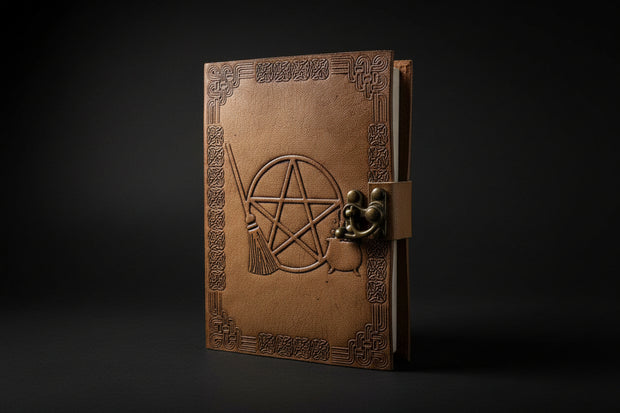
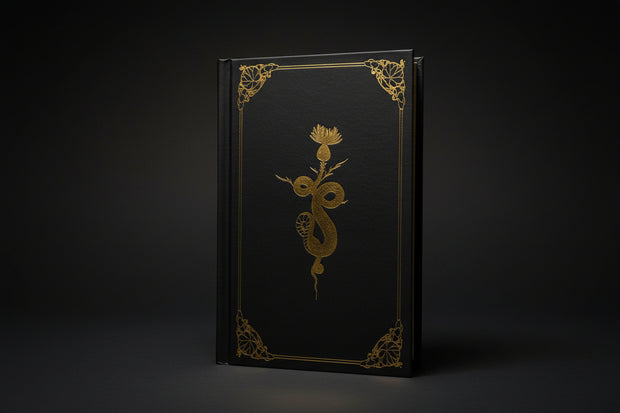
The Book of Shadows Paper Journal, Pentagram Broom Leather Journal, and Devotion Gilded Grimoire can provide dedicated space for written practice. For physical organization, explore Storage & Chests. A plain notebook or secure digital file is equally valid when it serves the work better.
Frequently Asked Questions
Do I need to record every ritual?
No. Prioritize work you may repeat, evaluate, teach, or need to review for safety.
Should I photograph candles and remains?
Photographs can preserve physical details, but keep them away from flame and protect any private information visible in the image.
Can I rewrite messy notes later?
Yes, but preserve the original or clearly label the rewritten version so later editing does not erase what was recorded at the time.
What if I forgot to record the ritual?
Write what you remember and label it as a retrospective account. Do not add false precision.
Can ritual records prove a method works?
They can reveal personal patterns and improve consistency, but informal records do not by themselves establish universal causation.
A Record Should Improve the Next Decision
The purpose of documentation is not to create an impressive book. It is to make the practice clearer, safer, more honest, and easier to revise. Record enough to learn—then return to living the work.
Tools for this practice
Explore the products selected for this guide. Review each listing for what is included and how to use it.

Shop this guide · 3 items Collapse


Keep exploring the shop
You made it to the end of the guide. Keep exploring through related products, major departments, or the full catalog.
 RELATED TO THIS GUIDE
Ritual Supplies & Altar Tools
Shop this topic
RELATED TO THIS GUIDE
Ritual Supplies & Altar Tools
Shop this topic


Leave a comment