


How to Move an Altar or Shrine: Packing, Closing, Transporting, and Rebuilding

Moving an altar or shrine involves fragile objects, private records, liquids, blades, active workings, and relationships that may feel spiritually important. A careful move protects the physical items while giving the practitioner a clear way to pause, close, transport, and rebuild the sacred space.
Begin before moving day
Do not wait until the final hour to sweep every object into one box. Begin with documentation and decisions.
- Photograph the full setup and close details.
- Create an inventory of objects, contents, condition, and replacement value.
- Identify what is ordinary décor, what is devotional, and what belongs to an active working.
- Review vows, offering schedules, petitions, and time-sensitive materials.
- Decide what will travel, what will be safely disposed of, and what can be donated or retired.
- Prepare a small temporary kit for the days when the main altar is packed.
Pause or close active workings
An active candle working, open liquid, perishable offering, unstable spell jar, or burning incense should not be packed as though it were ordinary décor. Complete, pause, or close it according to the method and materials.
If the work is long-term, document its purpose, current stage, contents, and intended next step. Read How to End or Dismantle a Long-Term Spell or Altar Working for a full closing process.
Separate objects by risk, not only by meaning
| Category | Examples | Packing priority |
|---|---|---|
| Fragile | Statues, glass, bowls, crystal points, framed art | Individual padding and rigid boxes |
| Liquid | Oils, waters, washes, inks | Leakproof caps, labels, upright secondary containment |
| Sharp | Athames, scissors, pins, nails, ritual spikes | Sheaths, guards, rigid wrapping, legal transport |
| Combustible | Candles, charcoal, incense, herbs | Cool, dry, separated from ignition sources |
| Private | Petitions, client notes, journals, photographs | Sealed labeled storage under personal control |
| Heavy | Stone slabs, cauldrons, large statues | Small strong boxes, weight distributed safely |
How to pack statues and fragile vessels
Dust objects gently before packing so grit is not rubbed into painted or polished surfaces. Photograph existing chips, repairs, and seams. Wrap each statue separately, supporting protruding wings, horns, hands, tools, and bases without placing pressure on them.
Do not allow stone, ceramic, resin, metal, and glass objects to strike one another. Fill empty box space so items cannot shift, but do not compress delicate projections. Label boxes as fragile and indicate which side should remain upright.
How to pack crystals and mineral specimens
Mineral specimens can scratch, chip, shed, or break along cleavage planes. Wrap each piece individually using material appropriate to the specimen. Avoid adhesive tape directly on a mineral, label, old repair, or matrix. Keep heavy specimens from resting on smaller pieces.
Maintain labels and catalog numbers with the correct specimen. For valuable pieces, photograph the specimen and label together before separating them for packing.
Oils, waters, and other liquids
Check every cap and bottle for cracks, rust, degraded droppers, and leakage. Do not move questionable mixtures merely because they are ritually important. Label contents clearly. Tighten caps without damaging them, place each bottle in a sealed secondary bag, keep bottles upright in a rigid container, and separate them from books, cloth, electronics, and porous statues.
Do not transport flammable or restricted materials in violation of carrier, building, or transportation rules. Unknown liquids should be identified or responsibly disposed of before the move.
Blades and sharp ritual tools
Clean and dry blades before packing. Use a fitted sheath, edge guard, or rigid protective wrap. Secure the protection so the blade cannot slide out, then place it in a clearly labeled container inaccessible to children or unauthorized handlers.
Check applicable laws and mover policies, especially for unusual knives, swords, or other regulated items. Symbolic purpose does not exempt an object from ordinary transport requirements.
Candles, incense, charcoal, and herbs
Pack only fully extinguished, completely cool materials. Keep charcoal dry and away from ignition sources. Protect candles from heat that can soften or deform wax. Seal powders and herbs against moisture and spills, and discard anything moldy, infested, leaking, or unlabeled.
For general organization, use How to Store Witchcraft Supplies.
Moving deity and ancestor shrines
Traditions differ, so follow any established requirements that genuinely apply to your practice. In many personal devotional settings, a respectful explanation and temporary pause are sufficient. Remove perishable offerings, clean vessels, wrap images and statues carefully, and keep private names or photographs secure.
A simple statement may acknowledge that the physical arrangement is being moved while the relationship or remembrance continues. Avoid making new promises under moving-day pressure.
Create a temporary travel altar
A small temporary kit can preserve continuity without unpacking everything. It may include:
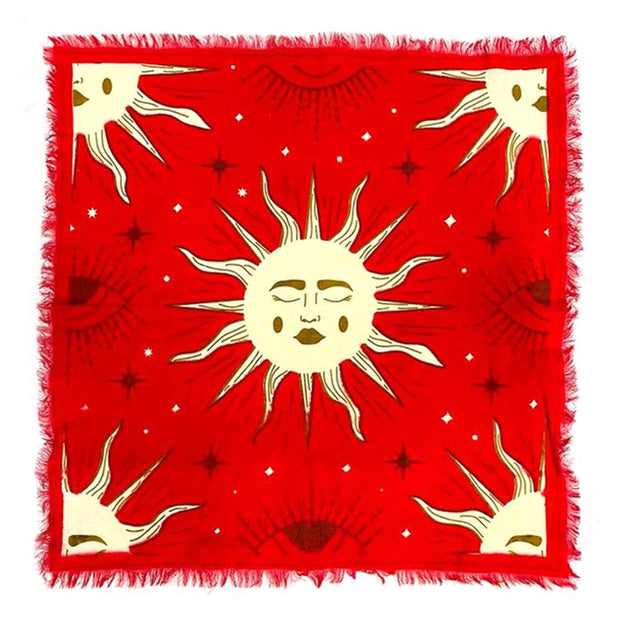
- A cloth or tray
- A battery candle
- A small image, symbol, or written prayer
- One divination tool or journal
- A compact offering cup
- A bell, key, or other portable ritual object
A temporary altar is not spiritually inferior. It is a practical bridge between spaces.
Assess the new home before rebuilding
Start with physical conditions: smoke rules, alarms, ventilation, children, pets, roommates, sunlight, humidity, stable furniture, outlet placement, and emergency access. Clean the area and inspect shelves or tables for weight limits and wobbling.
Then rebuild gradually. Place the central devotional or working items first and live with the arrangement before adding every object. The old layout may not fit the new home, and preserving function matters more than recreating a photograph exactly.
What should not be left behind
- Hidden spell jars or bottles
- Wax, oil, powders, salt, herbs, food, or liquids
- Nails, pins, blades, glass, charcoal, or burned material
- Private papers, photographs, or client information
- Offerings in shared or outdoor areas
- Items the next resident could mistake for a hazard
Frequently asked questions
Do I need to deconsecrate every altar item before moving?
Not necessarily. Practices differ. Items can often be cleaned, respectfully packed, and rededicated after the move. Follow specific obligations only when they genuinely belong to your tradition.
Can I dismantle a deity shrine temporarily?
Usually yes in personal practice. Explain the practical reason, remove offerings respectfully, document the arrangement, and establish a temporary devotional point if desired.
Should I cleanse the new home before unpacking?
Physical cleaning and safety inspection come first. A spiritual cleansing is optional and can be adapted to smoke-free methods.
Can movers transport ritual knives?
Policies and laws vary. Protect, label, and secure sharp tools, and confirm what the mover or carrier permits.
How do I move a large statue?
Support the base and vulnerable projections separately, use rigid packaging and sufficient padding, and avoid lifting by wings, arms, horns, or attached symbols.
What if the new home has no permanent altar space?
Use a tray, box, cabinet, drawer, cloth, or temporary arrangement. A solitary altar can be private, portable, and flexible.
Use storage that protects the practice
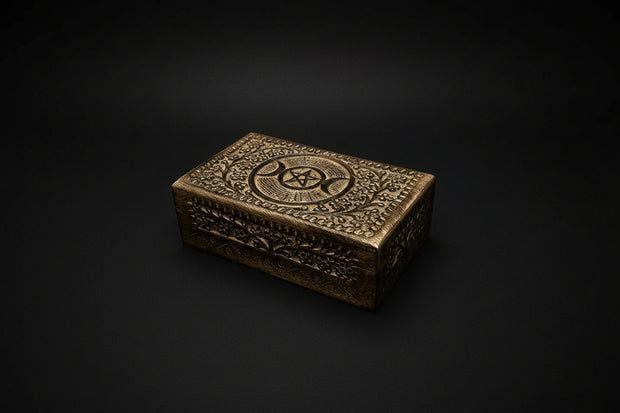
Explore ritual chests, storage and chests, and altar boxes for organized transport and compact rebuilding.
Tools for this practice
Explore the products selected for this guide. Review each listing for what is included and how to use it.
Shop this guide · 4 items Collapse



Keep exploring the shop
You made it to the end of the guide. Keep exploring through related products, major departments, or the full catalog.


Leave a comment