


How to Build a Solitary Witch Altar: Private, Portable, and Flexible Setups

A solitary witch altar is a personal working space designed around the needs of one practitioner. It may be a permanent shelf, a cloth spread across a desk for twenty minutes, a small box carried between rooms, or a discreet arrangement that looks ordinary when it is not in use. What makes it an altar is not its size, price, visibility, or number of tools. It is the deliberate purpose given to the space.
For solitary practitioners, flexibility often matters more than spectacle. You may live with family members who do not share your beliefs, rent a room where flame is prohibited, have children or animals in the home, travel frequently, manage limited energy, or simply prefer not to keep spiritual work on permanent display. A useful altar should fit those realities rather than compete with them.
This guide focuses specifically on building a solitary witch altar that can be private, portable, temporary, accessible, and safe. For the broader structure of independent practice, study, discernment, and sustainable routine, begin with How to Practice Witchcraft Alone.
What Is a Solitary Witch Altar?
A solitary witch altar is a surface, container, or defined area used by an individual practitioner for ritual, devotion, divination, meditation, study, seasonal observance, spellwork, or recordkeeping. It can belong to Wicca, folk magic, Pagan devotion, secular witchcraft, traditional craft, green witchcraft, or an eclectic personal practice.
Solitary does not necessarily mean secret, isolated, or unaffiliated. It means the altar is organized primarily for one person’s use rather than for a coven, temple, family tradition, or public ritual group.
A solitary altar may be:
- Permanent or assembled only when needed
- Religious, magical, devotional, reflective, or practical
- Highly visible or completely discreet
- Tool-rich or nearly empty
- Located indoors, outdoors temporarily, or contained in a travel kit
- Used daily, weekly, seasonally, or only for specific workings
No universal altar diagram applies to every solitary witch. Specific traditions may prescribe directions, elemental placements, deity images, or ritual tools, but an independent practitioner should understand the system before copying its layout.
Choose the Purpose Before the Objects
The easiest way to overcrowd an altar is to begin shopping before deciding what the space must do. Write one sentence describing its primary function.
Examples include:
- “This altar supports weekly meditation and journaling.”
- “This is a devotional space for one deity and contained offerings.”
- “This temporary surface is for tarot readings and ritual records.”
- “This box contains the tools needed for a simple monthly ritual.”
- “This shelf marks seasonal changes without open flame or perishable offerings.”
A clear purpose determines the size, location, storage, tools, and cleanup routine. A divination altar needs an uncluttered surface and room for cards. A devotional altar needs a respectful image or symbol, a safe offering vessel, and a disposal plan. A spellworking altar may need temporary space for materials but should not become permanent storage for unfinished work.
Four Solitary Witch Altar Models
1. The Permanent Shelf Altar
A permanent altar remains assembled between rituals. It works well when you have a private room, stable shelf, dedicated table, or household agreement allowing the space to remain undisturbed.
Keep the arrangement simple enough to clean and use. A permanent altar might include:
- One central symbol, image, or devotional focus
- A safe light or candle holder
- A small bowl or cup
- One or two frequently used tools
- A journal stored nearby rather than beneath unstable objects
Leave open working space. A shelf covered edge to edge with statues, jars, cards, dried plants, stones, and candles may function as display but become difficult to use safely.
2. The Temporary Cloth or Tray Altar
A temporary altar is assembled for a ritual and completely removed afterward. It is one of the most practical choices for shared homes, small rooms, kitchens, dormitories, and practitioners who do not want a permanent display.
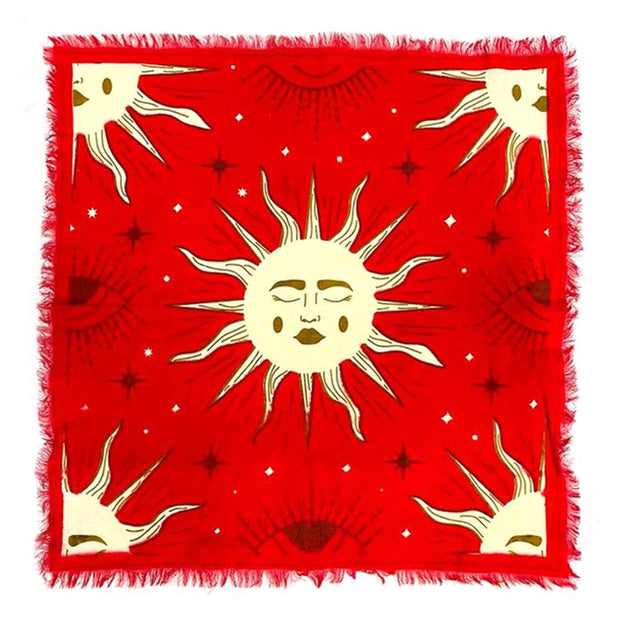
Use a washable cloth, tray, placemat, or board as the boundary of the working space. The base makes setup repeatable and helps protect the furniture beneath it. The article How to Choose an Altar Cloth explains sizing, materials, cleaning, symbolism, and flame safety.
A temporary setup can contain only:
- A cloth or tray
- An LED candle or other safe light
- A cup of water
- A written intention or journal
- One tool connected with the work
When the ritual ends, clean the objects, fold the cloth, return everything to storage, and restore the surface to ordinary use. The act of putting the altar away can become part of the closing rite.
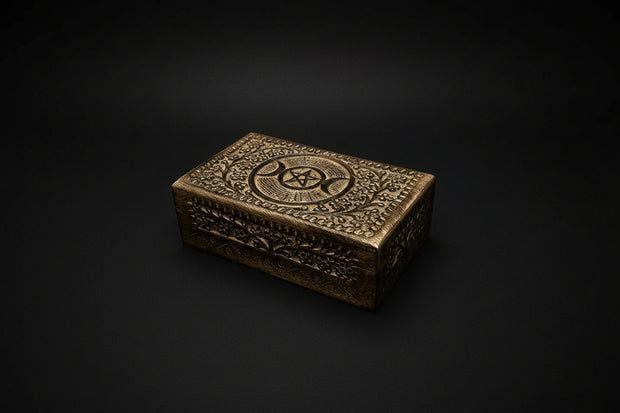
3. The Portable Altar Box or Bag
A portable altar keeps a small set of tools together so the practice can move between rooms, travel safely, or remain stored when privacy is needed. The container itself may become the altar surface when opened.
Choose a box or bag that closes securely and protects fragile items. A practical kit may include:
- A small cloth
- An LED tealight
- A compact journal and pen
- A small unbreakable cup or bowl
- A symbolic token, image, or card
- A bell, cord, pendulum, or other single working tool
- A written opening and closing sequence
A portable altar should not contain leaking oils, loose powders, lit candles, hot charcoal, open liquids, sharp blades, or unidentified plants. Wrap breakable objects separately and check travel rules before carrying anything that could be treated as a weapon or prohibited item.
4. The Discreet or Everyday-Object Altar
A discreet altar uses ordinary-looking items that carry private meaning. It can be useful when overt religious or occult display would create conflict, threaten housing, expose a practitioner to harassment, or simply violate personal preference.
Possible arrangements include:
- A framed landscape or family photograph
- A plain cup used for water offerings
- A small lamp rather than a ritual candle
- A decorative bowl holding one meaningful stone
- A houseplant used as a focus for seasonal observation
- A closed journal with a neutral cover
- A piece of jewelry placed deliberately during ritual
Discretion does not make a practice dishonest or weak. Symbols work through understood meaning and repeated use, not through how clearly they advertise themselves to visitors.
What Does a Solitary Witch Altar Need?
Nothing is universally required. The most useful beginning is one stable surface and one object that marks the purpose.
A Base
A cloth, tray, shelf, box lid, desk corner, or bare tabletop can define the space. The base should be stable, washable when needed, and large enough for safe movement.
A Focus
The central focus may be a deity image, ancestor photograph, candle, natural object, pentacle, written value, artwork, plant, or empty space. Choose one focus rather than forcing several unrelated systems onto a small surface.
A Safe Source of Light
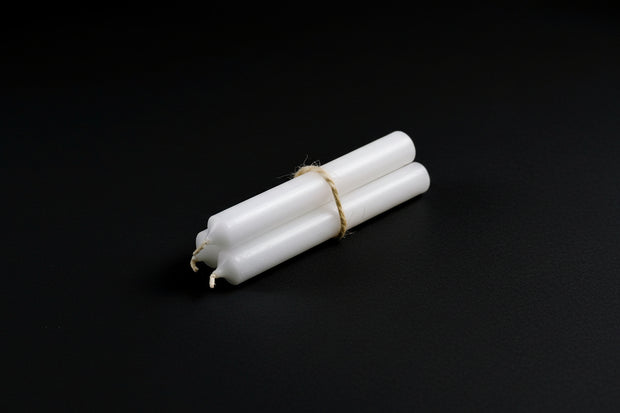
An LED candle, lamp, string light, or battery lantern can mark the beginning of ritual without creating flame or smoke. Open candles are optional. When used, they require a stable holder, generous clearance, continuous supervision, and complete extinguishing before the practitioner leaves.
A Vessel
A plain bowl or cup can hold water, a temporary offering, petitions, or symbolic objects. Decide whether the vessel is food-safe, ritual-only, or decorative, and do not switch carelessly between those roles.
A Record
A journal helps preserve ritual plans, sources, results, questions, and changes. The distinction between a personal record and an instructional reference is explored in Book of Shadows vs. Grimoire.
Optional Tools
Wands, athames, chalices, bells, incense burners, cauldrons, crystals, cards, herbs, statues, and offering bowls are optional. Add a tool only when you can explain its function, care, storage, and place within the ritual system. For a general overview, see Tools of the Craft: Pagan Altar Tools and Supplies.
Privacy in a Shared Home
Privacy is not the same as secrecy imposed through fear or coercion. It is the ability to decide who sees your religious or magical practice, what information they receive, and how shared spaces are used.
Establish Household Boundaries
When it is safe to do so, explain the practical boundary rather than demanding that others share the belief. You might say, “These objects are personal and should not be moved,” or, “I will use the desk for thirty minutes and return it to normal afterward.”
Shared housing also requires compromise. Do not block common areas, leave smoke in the room, store sharp tools where others can reach them, or leave food offerings to spoil. Your private practice does not remove another person’s right to physical safety and reasonable use of the home.
Protect Sensitive Records
A decorative clasp is not secure privacy. Use a lockable container, password-protected digital document, initials instead of full names, or another appropriate method when records contain personal, health, relationship, or divination information.
Do Not Create Dangerous Concealment
Never hide a burning candle, hot charcoal, smoldering incense, wet plant matter, leaking oil, or sharp tool in a drawer, closet, box, or under fabric. Discretion must never create a fire, mold, poisoning, or injury risk.
How to Build a Solitary Witch Altar Step by Step
1. Write the Purpose
Define the altar in one sentence. Keep the first version narrow enough to use immediately.
2. Choose the Model
Select permanent, temporary, portable, or discreet. You can combine models later, but begin with one clear arrangement.
3. Measure the Space
Check width, depth, height, shelf strength, nearby cords, curtains, vents, doors, pets, children, and walking paths. A ritual layout copied from a photograph may not fit your room safely.
4. Select the Minimum Objects
Choose a base, focus, light, vessel, and record only when each is useful. You may need fewer than five objects.
5. Assign Every Object a Role
Write what each item does. If an object has no current purpose, store it rather than crowding the working surface.
6. Test the Setup Without Ritual
Sit or stand where you will practice. Reach for each object. Check whether anything tips, rolls, catches a sleeve, blocks movement, reflects bright light, or requires awkward lifting.
7. Create a Storage and Cleanup Plan
Decide where every object goes after use, how offerings will be removed, how cloths and vessels will be cleaned, and where active workings can remain safely if they continue over several days.
8. Dedicate the Space
A simple modern dedication may be:
I set apart this space for deliberate practice. May what enters here have a clear purpose, may what is opened be closed responsibly, and may this work remain grounded in care, honesty, and choice.
Adapt the words to your theology, tradition, or secular practice.
Opening and Closing a Temporary Altar
Solitary practitioners benefit from clear beginning and ending cues, especially when the same desk or table returns immediately to work, eating, or household use.
A Simple Opening
- Clear and physically clean the surface.
- Lay out the cloth or tray.
- Place the central focus and required tools.
- Turn on the safe light.
- State the purpose of the session.
- Begin the ritual, reading, meditation, or devotional act.
A Simple Closing
- State that the work is complete.
- Thank any beings or powers intentionally addressed.
- Extinguish flame or turn off the light.
- Remove offerings before they spoil.
- Record essential notes.
- Clean and inspect the tools.
- Return them to their assigned storage.
- Fold the cloth or close the box.
- Restore the room to ordinary use.
Closure is not merely symbolic. It confirms that flame is out, liquids are removed, sharp tools are secured, and the practitioner has returned attention to ordinary responsibilities.
Storing a Solitary Altar
Storage should separate incompatible materials and protect both the tools and the household. Do not place everything into one container simply because it belongs to the same practice.
- Keep oils upright in a secondary leak-resistant container.
- Store herbs dry, labeled, dated, and separate from food.
- Secure blades and sharp tools independently.
- Protect cards, books, and paper from water, wax, smoke, and oil.
- Wrap fragile statues, vessels, and mineral pieces.
- Allow candle holders and burners to cool completely before storage.
- Discard spoiled offerings, moldy plants, unknown powders, and damaged containers.
The detailed guide How to Store Witchcraft Supplies covers altar boxes, herbs, crystals, candles, liquids, tools, privacy, and active workings.
Flame-Free and Smoke-Free Solitary Altars
Flame and incense are not requirements for sacred space. A complete setup can use:
- LED candles or small lamps
- A bell, chime, quiet music, or silence
- Colored cloth instead of elemental candles
- Written plant names or sealed images instead of burning herbs
- A bowl of clean water
- Breath, prayer, visualization, or deliberate gesture
- A battery lantern for outdoor or travel practice
These alternatives are useful for asthma, migraines, pets, children, rentals, dormitories, hospitals, hotels, wildfire conditions, sensory needs, and any setting where combustion is unsafe.
Accessible and Low-Energy Altar Design
An altar should adapt to the practitioner’s body rather than demanding painful or unsafe movement.
- Place frequently used objects within comfortable reach.
- Use lightweight, unbreakable vessels when grip or tremor is a concern.
- Choose seated-height surfaces.
- Use large-print labels, tactile markers, audio notes, or digital records.
- Replace complicated setup with a single box or tray.
- Use one symbolic object instead of several heavy tools.
- Keep rituals short enough to match available energy.
- Ask a trusted person to help move or clean objects when appropriate.
- Use a photograph of an altar when maintaining a physical setup is not possible.
A five-minute practice completed safely is not less valid than an elaborate hour-long ceremony. Consistency should never be purchased through pain, exhaustion, or risk.
Keeping the Altar Consistent Without Keeping It Visible
A temporary altar can still develop continuity. Repetition creates familiarity even when the surface disappears after each use.
Use one or more of the following:
- The same cloth or tray
- The same opening sentence
- One central token used every time
- A consistent order of setup
- A dedicated journal
- A regular weekly or monthly time
- A photograph or written diagram of the layout
- A closing checklist stored inside the box
Meaning grows through repeated relationship and understood function, not permanent display.
Common Solitary Altar Mistakes
Buying a Complete Altar Before Developing a Practice
Begin with the ritual or devotional need. Add tools after the need becomes clear.
Making the Altar Too Crowded to Work
Leave room for hands, cards, writing, offerings, and safe movement. Store collections elsewhere.
Confusing Hidden With Safe
Do not conceal flame, heat, liquids, sharp tools, or unstable objects.
Leaving Offerings Indefinitely
Food and liquids spoil, attract pests, stain surfaces, and create odors. Set a removal time before making the offering.
Ignoring the Shared Household
Privacy does not justify smoke exposure, blocked surfaces, unsecured blades, or spoiled materials in common areas.
Using Storage as a Substitute for Closure
Putting emotionally intense or active work into a box without a deliberate ending may leave the practice feeling unfinished. State what is complete, what remains active, and when it will be reviewed.
Believing a Temporary Altar Is Less Powerful
Portability and discretion are practical qualities, not spiritual deficiencies. A clear temporary setup can be more focused than a permanent surface that has become cluttered and neglected.
Frequently Asked Questions
Does a solitary witch need an altar?
No. An altar can support focus, ritual structure, devotion, and organization, but a practitioner can work through prayer, meditation, study, journaling, outdoor observation, or tool-free ritual.
Can I use a desk, dresser, or kitchen table?
Yes. Protect the surface, remove ordinary clutter, use only safe materials, and return the area to normal afterward. Keep ritual-only substances away from food-preparation areas.
How do I hide an altar?
Use a closing box, neutral storage bag, temporary cloth, drawer, or ordinary-looking objects with private symbolic meaning. Do not hide anything hot, burning, wet, sharp, spoiled, or chemically hazardous.
What belongs in a portable altar?
Choose a cloth, safe light, small vessel, journal, pen, central token, and one working tool. Keep the kit light, secure, and free from leaking, combustible, sharp, or prohibited materials.
Can an altar be entirely digital?
Yes. A private folder, digital image, written ritual, playlist, virtual candle, and journal can define a repeatable practice. Protect passwords and backups when the material is sensitive.
Can I combine deity, ancestor, spell, and divination work on one altar?
You can, but clarify the purpose of each session and remove unrelated materials when they create clutter or conflicting requirements. Some traditions maintain separate devotional and working spaces.
How often should I clean the altar?
Remove spills, ash, spoiled offerings, dust, and unsafe materials immediately. Perform a fuller inspection weekly or monthly depending on use. Spiritual cleansing does not replace physical cleaning.
What should I do when I stop using an altar?
Thank any beings or relationships involved, remove offerings, clean the objects, state that the arrangement is closed, and store, repurpose, donate, or dispose of materials responsibly. Closing an altar is not a spiritual failure.
Build the Altar Your Life Can Sustain
A solitary witch altar should make practice easier to begin, safer to perform, and clearer to close. It does not need to remain visible, reproduce a traditional diagram, or contain every familiar occult tool.
Choose the purpose first. Select a permanent, temporary, portable, or discreet model. Use the fewest objects that support the work. Protect privacy without creating hidden hazards. Store materials according to their physical properties, and adapt the arrangement to the body, household, budget, and space you actually have.
The strongest altar is not necessarily the most elaborate. It is the one you understand, maintain, and return to with intention.
Tools for this practice
Explore the products selected for this guide. Review each listing for what is included and how to use it.

Shop this guide · 4 items Collapse




Keep exploring the shop
You made it to the end of the guide. Keep exploring through related products, major departments, or the full catalog.


Leave a comment