


How to Retire, Reuse, or Dispose of Ritual Tools Responsibly

Ritual tools do not have to remain in active use forever. Practices change, objects break, devotional relationships end, living situations shift, and a tool that once felt essential may become unnecessary. The responsible question is not whether you are “allowed” to stop using it. The question is how to handle the object’s material, history, privacy, and religious context honestly.
Retiring a tool can be simple. It may mean cleaning it, documenting what it was used for, and placing it in storage. It may mean removing personal papers before donating a box. It may mean safely discarding spoiled herbs rather than burying glass, wax, salt, metal, or synthetic material outdoors.
First Decide What “Retired” Means
Different situations require different endings. Choose the category before choosing the method.
- Paused: the tool is not currently used but may return to practice.
- Decommissioned: the object no longer holds its former ritual role.
- Repurposed: it will serve a new ordinary or ritual function.
- Transferred: it will be gifted, donated, sold, or returned.
- Disposed: the object is unsafe, spoiled, broken beyond use, or no longer appropriate to keep.
A pause does not require a dramatic release rite. Disposal does not require treating every mass-produced item as a sacred relic. Match the ending to the actual relationship.
Separate the Ritual Question From the Material Question
An object can be symbolically important and still require ordinary waste, recycling, fire, chemical, or biological safety. Before doing anything, identify what it is made from.
- glass, ceramic, stone, or crystal;
- wood, paper, cotton, leather, or other organic material;
- iron, brass, copper, silver, plated metal, or unknown alloy;
- wax, resin, oil, fragrance, paint, adhesive, or coating;
- dried herbs, food, soil, salt, ash, or biological material;
- plastic, polyester, foam, glitter, electronics, or batteries;
- sharp, breakable, toxic, moldy, flammable, or contaminated material.
Symbolic meaning does not make synthetic material safe to burn, salt safe for soil, glass safe to bury, or oil safe to pour into water.
Document the Tool Before Changing It
A brief record preserves useful history and prevents later confusion. Note:
- what the object is;
- where and when it was acquired;
- the tradition or source connected to its use;
- any dedication, inscription, name, or oath;
- materials and known treatments;
- what work it participated in;
- why it is being retired;
- its final destination.
This is especially useful for inherited objects, handmade tools, antiques, repaired pieces, and anything that may later be sold or donated.
Close the Ritual Role When Needed
Some tools are simply equipment. Others were dedicated to a deity, office, group, ancestor, vow, or formal practice. Follow the rules of the actual tradition before inventing a universal “deconsecration.”
A simple personal closing may include:
- state that the object’s former task is complete;
- offer thanks for its service without claiming the object is conscious;
- remove temporary papers, cords, oils, offerings, or decorations;
- clean it using a materially safe method;
- record the change;
- store, transfer, repurpose, or dispose of it as planned.
If the object is tied to initiation, clergy office, group property, a temple, or a community-governed rite, ask the responsible authority. Retail purchase never replaces those rules.
Cleaning Is Not the Same as Ritual Cleansing
Physical cleaning removes dust, oil, mold, residue, food, or contamination. Ritual cleansing is a symbolic or religious action. One does not replace the other.
Before cleaning, identify the material. Water can damage selenite, wood, paper, dyes, adhesives, porous stone, and some metals. Smoke can stain surfaces and affect people or animals. Salt can scratch, corrode, and retain moisture. Oils can become rancid or permanently darken material.
When the object is valuable, repaired, antique, painted, coated, or unidentified, use the least invasive method and seek conservation advice rather than experimenting.
Storage Is a Valid Ending
You do not need to discard an object just because your practice changed. Clean, label, and store it when:
- you are uncertain about its future;
- the object has family or historical value;
- it belongs to a seasonal practice;
- you may need to return it to a group;
- the object contains private information that must remain controlled;
- safe disposal requires more research.
Store sharp tools in sheaths or rigid containers. Keep oils upright and dated. Keep herbs dry and labeled. Wrap breakable pieces individually. Remove batteries from electronic lights before long storage.
Repurposing Without Pretending Nothing Changed
A former offering bowl can become a decorative bowl. A cloth can become storage wrapping. A box can hold ordinary keepsakes. A candle holder can return to household use.
Repurposing is clearest when you:
- close the former role;
- remove private names, petitions, and ritual remains;
- clean the item safely;
- avoid using contaminated food-contact items for food;
- record the new purpose if the object has collection value.
The object does not need to be destroyed to prove that a phase has ended.
Donating, Gifting, or Selling
Transfer only objects that are safe, lawful, clean, and honestly described. Disclose repairs, treatments, residue, missing parts, and whether the item is an antique, handmade piece, reproduction, or ordinary retail product.
Remove:
- petition papers and written names;
- hair, photographs, bodily material, or personal identifiers;
- spoiled offerings and old food;
- unlabeled powders, oils, and herbs;
- items that belong to another person or group;
- claims that the object guarantees power, initiation, protection, or results.
A buyer may value the object, but they are not buying your lineage, authority, experiences, or obligations.
Broken Ritual Tools
Breakage is usually a physical event, not automatic evidence of attack, rejection, or prophecy. Inspect impact, heat, stress, corrosion, weak joints, prior cracks, and ordinary wear before assigning meaning.
For broken items:
- contain sharp fragments immediately;
- photograph and label pieces before repair;
- do not glue food-contact or heat-exposed items with unsuitable adhesive;
- do not continue burning candles in a cracked holder;
- do not use a chipped blade or unstable handle;
- disclose repairs if the item is transferred.
A visible repair can become part of the object’s history. Replacement is also acceptable when safety is compromised.
Herbs, Oils, Wax, and Spell Remains
Organic does not automatically mean suitable for burial or compost.
- Dry herbs: compost only when correctly identified, free of salt, wax, oil, glitter, toxic plants, and invasive seeds.
- Oils: absorb small amounts into appropriate waste material; do not pour concentrated oils into drains, soil, or waterways.
- Wax: cool completely, separate reusable holders, and place unusable wax in ordinary waste unless a local program accepts it.
- Salt: avoid gardens and natural ground because concentrated salt harms plants and soil organisms.
- Ash: cool fully and identify what was burned; ash from coated, synthetic, toxic, or unknown material does not belong in soil.
- Food offerings: follow food-safety and wildlife rules; do not leave food where it attracts pests or harms animals.
For spell jars, review The Complete Life Cycle of a Spell Jar before opening or discarding the container.
Why Burying Everything Is a Bad Rule
Burial is repeatedly presented online as a universal spiritual disposal method. It is not. Public parks, cemeteries, waterways, roadways, rented property, and land you do not own are not free disposal sites.
Do not bury:
- glass, metal, plastic, candles, glitter, fabric, batteries, or electronics;
- salt, oils, resin, unknown powders, or toxic plants;
- objects on land without permission;
- anything that can cut workers, animals, or future occupants.
Ordinary trash may be the most responsible destination for an ordinary manufactured object.
Do Not Burn an Object Solely Because It Was Ritual
Burning painted wood, plastics, synthetic cloth, coated paper, resin products, treated leather, adhesives, or unknown incense blends can release hazardous smoke. Open burning may also violate local rules.
Fire is a ritual method only when the material, setting, ventilation, weather, container, and law make it safe. Symbolic destruction can be represented by tearing a photocopy, removing a label, closing a record, or speaking a final statement.
Private and Identifying Material
Destroy or secure papers containing names, addresses, medical details, confessions, reading notes, photographs, signatures, financial information, or group records. Shredding and secure disposal may be more appropriate than ritual burning.
Privacy continues after a reading, group, relationship, or practice ends. See Privacy and Confidentiality in Spiritual Practice.
A Tool-Retirement Checklist
- Object and materials:
- Owner:
- Former role:
- Tradition or source:
- Private contents removed:
- Physical hazards:
- Cleaning method:
- Closing action, if any:
- Final destination:
- Date and record location:
Storage for Tools That Are Resting
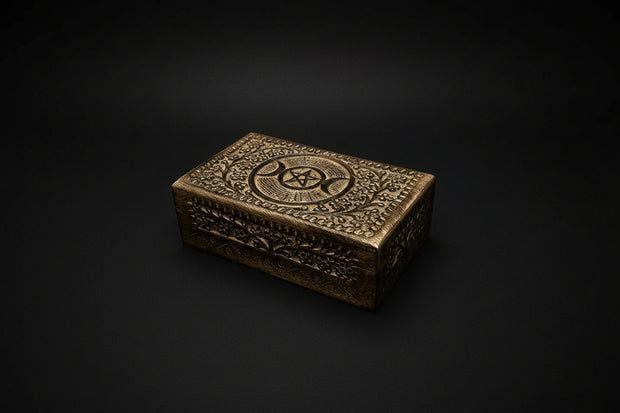
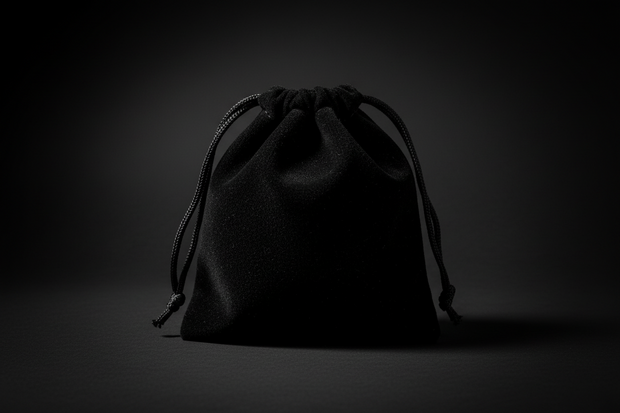
Browse Storage & Chests when a tool needs protection rather than destruction. The Triple Moon Pentacle Box, Pentacle Wooden Box, and Black Velvet Pouch can separate suitable clean, dry items. Fragile, sharp, leaking, or contaminated objects require rigid purpose-built storage instead.
Read You Do Not Need Every Ritual Tool before replacing a retired object automatically.
Frequently Asked Questions
Is it disrespectful to throw away a ritual tool?
Not automatically. Safe ordinary disposal can be more respectful than littering, unsafe burning, or burying synthetic material. Follow specific religious obligations when they genuinely apply.
Must a tool be cleansed before donation?
It should be physically clean and free of private contents. A symbolic cleansing is optional unless the governing tradition requires it.
Can I sell a dedicated tool?
That depends on ownership and tradition. Close its former role where appropriate, disclose condition and history, and never imply that dedication transfers guaranteed power or status.
What if I regret retiring it?
Storage allows reconsideration. A later rededication can be performed within your practice if the object remains safe and appropriate.
Does breaking mean the tool absorbed something harmful?
There is no reliable way to establish that from breakage alone. Inspect physical causes and replace unsafe equipment.
A Responsible Ending Preserves Choice
Retirement does not require fear, spectacle, or environmental harm. Identify the material, close the role when needed, protect private information, choose a lawful destination, and document what changed. Sometimes the right ending is a box on a shelf. Sometimes it is recycling. Sometimes it is ordinary trash.
Tools for this practice
Explore the products selected for this guide. Review each listing for what is included and how to use it.

Shop this guide · 3 items Collapse


Keep exploring the shop
You made it to the end of the guide. Keep exploring through related products, major departments, or the full catalog.


Leave a comment