


How to Store Ritual Herbs: Labels, Light, Moisture, Shelf Life, and Safety

Herbs are often sold as if a jar and a magical correspondence are enough information. They are not. A useful herbal collection depends on identity, plant part, source, date, condition, intended route of use, and storage that protects the material from moisture, light, pests, contamination, and forgotten assumptions.
Good storage does not make an herb safe to ingest, burn, apply to skin, or use around pets. It preserves information and condition so you can make a better decision later.
Keep the Identity With the Herb
Never separate plant material from its identifying information. A complete label should include:
- common name;
- botanical name when available;
- plant part, such as leaf, root, flower, bark, seed, or peel;
- supplier or harvest source;
- lot or batch information when provided;
- date received or harvested;
- date opened or transferred;
- intended use category;
- known safety restrictions;
- your inventory number if you maintain a materia magica.
Common names can refer to more than one species. Color and scent are not reliable enough to restore a lost identity.
Do Not Replace the Supplier Label Too Quickly
Original packaging may contain information that a decorative jar does not: botanical name, net weight, lot code, country of origin, warning, and contact details. When decanting, transfer the information or place the original label inside a separate record.
Decorative consistency should never cost traceability.
Separate Route of Use
Organize herbs according to how they may be handled.
- Display or symbolic use only: not burned, ingested, or placed on skin.
- Incense or smoke use: requires ventilation and species-specific safety.
- Topical use: requires skin-safety information, dilution, and allergy review.
- Food or tea use: requires food-grade sourcing, correct identification, and health guidance.
- Toxic or restricted material: requires secure storage and may not belong in a household collection.
Do not move material from a nonfood ritual jar into kitchen use because it smells familiar. Read Herbalism vs. Herbal Witchcraft for the difference between symbolic use and health practice.
Control Moisture First
Moisture supports mold, clumping, fermentation, corrosion, label damage, and insect activity. Store dried herbs only when they are genuinely dry.
Watch for:
- condensation inside the container;
- softness where the material was formerly brittle;
- clumps or damp spots;
- musty, sour, or unfamiliar odor;
- color changes paired with moisture;
- fuzzy growth;
- heat or gas in a sealed container.
Do not seal fresh plant material in a ritual jar for long-term storage. Fresh herbs release water and can spoil even when covered in wax.
Light and Heat Reduce Quality
Direct sunlight and heat can fade color, alter aromatic compounds, weaken labels, and create temperature changes that draw moisture into containers.
Use:
- a cool, dry cabinet away from ovens and radiators;
- opaque or amber containers when light sensitivity matters;
- small working jars while the main supply remains protected;
- stable room temperature rather than windowsills and cars;
- shelves away from candles, incense, steam, and humidifiers.
A beautiful sunlit display may shorten the useful life of the material.
Choose Containers by Function
Glass jars
Glass is easy to inspect and does not absorb scent, but it breaks and allows light through. Use clean, dry jars with intact lids and protect them from falls.
Metal tins
Tins block light and travel well, but moisture can cause corrosion and the interior may react with some materials. Use food-safe or purpose-appropriate containers when relevant.
Plastic bags and containers
Plastic is light and practical for short-term storage, but thin bags puncture, collect static, and provide limited crush protection. Some materials retain scent or oil.
Paper bags
Paper breathes and can suit short-term drying or sorting, but it offers little moisture, pest, or spill protection.
Wooden boxes
Boxes organize smaller sealed containers. Do not place loose herbs directly into decorative wood unless the wood, finish, and intended use are compatible.
Airtight Is Not Always Automatically Better
An airtight container protects fully dried material from humidity and pests. It also traps moisture when the material was not dry, hides gas production, and can preserve a problem. Inspect before sealing and check newly transferred material after several days.
Keep Powders Separate From Whole Herbs
Powder has more exposed surface area, loses scent more quickly, becomes airborne, and is harder to identify visually. Label powders immediately with the full identity and date.
Store powders in sealed containers away from food-preparation areas. Avoid casual grinding of toxic, irritating, mineral, charcoal, or unknown material. See How to Choose and Use a Mortar and Pestle for Ritual Herbs.
Prevent Cross-Contamination
Use clean scoops instead of fingers. Do not return unused material to the original jar after it has touched an altar, candle wax, oil, smoke residue, salt, soil, food, or another herb.
Keep separate:
- food and nonfood herbs;
- strongly scented resins and delicate flowers;
- toxic or irritating plants and general supplies;
- allergen-containing materials;
- pet-accessible and restricted storage;
- prepared blends and their original ingredients.
A symbolic cleansing cannot undo physical contamination.
Watch for Pests
Inspect jars, lids, shelves, seams, and paper packaging for webbing, larvae, insects, holes, dust, and unusual debris.
When infestation appears:
- isolate the container;
- inspect nearby materials;
- do not use contaminated herbs in smoke, food, skin products, or offerings;
- clean the storage area according to the surface and pest involved;
- discard affected material in a sealed bag;
- review incoming-inspection procedures.
Do not apply pesticides directly to ritual herbs.
There Is No Universal Shelf Life
Shelf life depends on species, plant part, cut size, volatile-oil content, drying quality, packaging, temperature, light, humidity, and intended use. A root, seed, flower, and powdered leaf do not age at the same rate.
Use dates as review points rather than promises. At review, check:
- identity and label readability;
- odor compared with a documented fresh sample;
- color and texture;
- moisture and mold;
- pest evidence;
- container condition;
- whether the intended use is still appropriate.
When safety or identity is uncertain, discard the material.
Use First-In, First-Out Rotation
Place older acceptable stock in front and newer stock behind it. Avoid topping up an old jar with a new batch because you lose lot history and make age impossible to track.
Instead:
- finish or retire the old batch;
- clean and dry the container;
- apply a new label;
- record the new supplier and date;
- compare appearance and scent before combining anything.
Label Blends Completely
A blend label should list every ingredient, date, intended use, creator, and major warning. “Protection blend” is not enough information when someone has allergies or when the mixture may be burned.
Keep the formula in a separate record with quantities and source batches. Our guide How to Choose Ingredients for a Spell or Ritual can help reduce unnecessary mixtures.
Storage Around Children and Pets
Use locked or inaccessible storage for plants, oils, resins, powders, charcoal, and small containers. Cats, dogs, birds, reptiles, and other animals have different sensitivities, and a material being “natural” does not make it safe.
Do not store herbs above pet food, human food, medication, or open water. Clean spills immediately without sweeping fine powder into the air.
When to Discard an Herb
Discard when:
- the identity is lost;
- the label conflicts with the material;
- mold, moisture, pests, or rancidity appears;
- the container leaked or broke;
- the herb contacted unknown oils, powders, or chemicals;
- the intended use exceeds the available safety information;
- the material has become an anxiety-producing obligation rather than a useful supply.
Do not burn spoiled or moldy herbs. Compost only correctly identified, uncontaminated plant material that is appropriate for local composting. Otherwise, sealed ordinary waste may be responsible.
A Monthly Herb-Cabinet Check
- Read every label without moving material between jars.
- Check lids, cracks, rust, and condensation.
- Look for pests and webbing.
- Confirm food and nonfood separation.
- Rotate older stock forward.
- Update quantities and purchase needs.
- Discard unidentified or compromised material.
- Clean shelves without spraying chemicals near open herbs.
Build a Traceable Ritual-Herb Collection
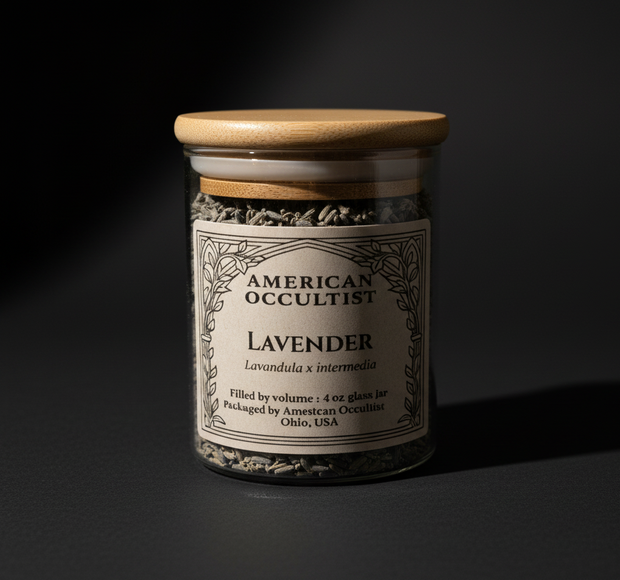
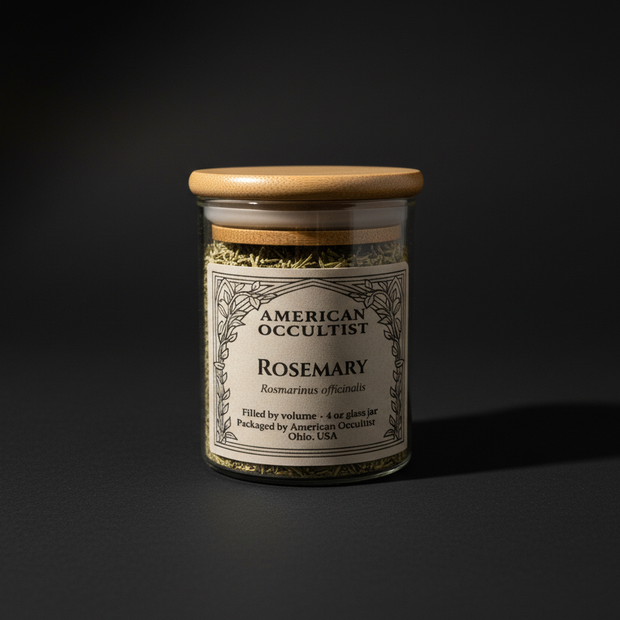
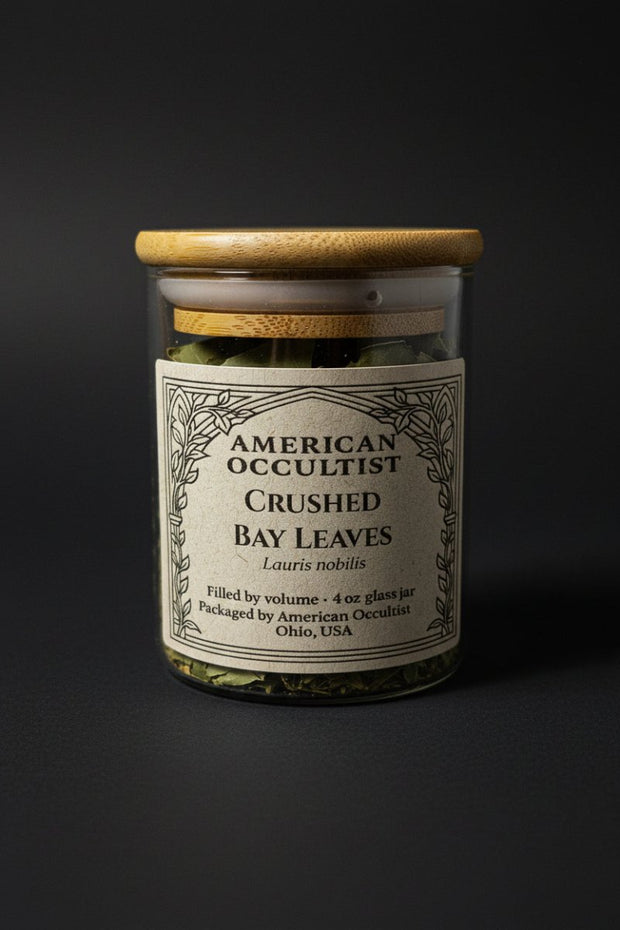
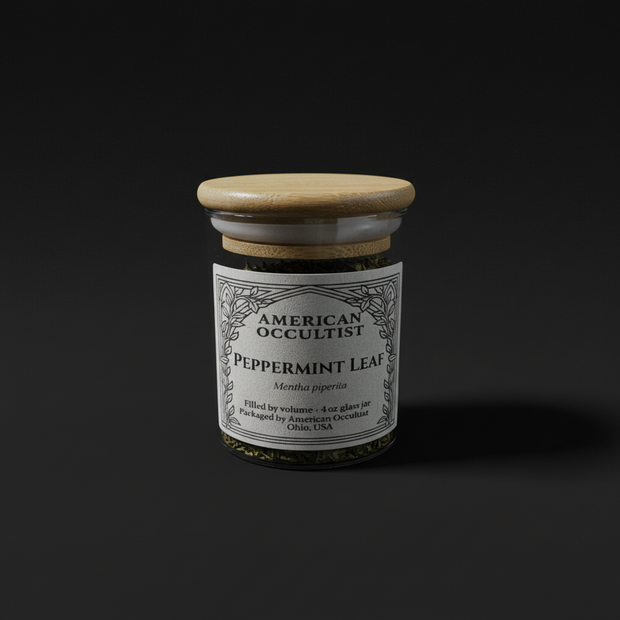
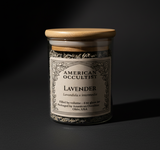
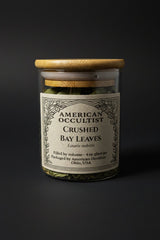
Browse Ritual Herbs for labeled materials such as the Lavender Herb Jar, Rosemary Herb Jar, Bay Leaves Jar, and Peppermint Leaf Ritual Herb Jar. Use Storage & Chests to keep sealed containers organized and away from light. Product labels support identification; they do not establish medical or ingestion safety for every person.
Frequently Asked Questions
Can I keep herbs in clear jars?
Yes, when the jars are stored in a dark cabinet and remain dry. Direct sunlight is the larger concern.
Should I add rice or a desiccant packet?
Do not improvise additions that can contaminate the material. Use purpose-appropriate, food-safe humidity control only when the supplier or storage standard supports it.
Can I freeze dried herbs to prevent pests?
Freezing methods vary and can introduce condensation when containers return to room temperature. Use an established procedure appropriate to the plant and packaging rather than guessing.
Do dried herbs expire spiritually?
That is a belief-based question. Physically, herbs lose aroma, color, and condition over time. Use documented review criteria rather than a universal magical expiration date.
Can I reuse a jar from another herb?
Yes, after removing the old label and cleaning and drying the container according to its material. Strong scent, oil, or contamination may make reuse inappropriate.
Storage Preserves Information
The goal is not an impressive wall of jars. It is a collection whose contents can still be identified, handled safely, and used for a defined purpose. Protect labels, control moisture and light, separate exposure routes, inspect regularly, and discard uncertainty before it becomes a ritual ingredient.
Tools for this practice
Explore the products selected for this guide. Review each listing for what is included and how to use it.
Shop this guide · 4 items Collapse


Keep exploring the shop
You made it to the end of the guide. Keep exploring through related products, major departments, or the full catalog.
 RELATED TO THIS GUIDE
Ritual Herbs
Shop this topic
RELATED TO THIS GUIDE
Ritual Herbs
Shop this topic


Leave a comment