


LaVeyan Satanism: Inside the Church of Satan’s Atheistic Philosophy

LaVeyan Satanism is a non-theistic religious philosophy founded by Anton Szandor LaVey through the Church of Satan in 1966. It does not teach belief in a literal Satan. Instead, Satan functions as a symbol of individualism, opposition, carnality, pride, and resistance to imposed religious authority.
Origins of LaVeyan Satanism
LaVey founded the Church of Satan in San Francisco in 1966 and published The Satanic Bible in 1969. His system combined theatrical ritual, skepticism, individualism, popular psychology, occult aesthetics, and criticism of religious hypocrisy.
The Church of Satan continued after LaVey’s death in 1997 and remains distinct from newer non-theistic organizations such as The Satanic Temple.
Core Beliefs of LaVeyan Satanism
Satan as Symbol
LaVeyan Satanists generally identify as atheists or materialists. Satan represents the adversary, human instinct, independence, and refusal to submit to supernatural authority.
Indulgence With Responsibility
The philosophy values pleasure and worldly life while distinguishing deliberate indulgence from destructive compulsion.
Individualism
The individual is treated as the primary authority in their own life. Personal liberty is paired with responsibility for choices and consequences.
Reciprocity and Boundaries
LaVeyan ethics emphasize respect for those who offer respect, firm personal boundaries, and rejection of compulsory self-sacrifice.
Materialism and Skepticism
The system focuses on life in the present world rather than salvation, an afterlife, or submission to a deity.
Greater and Lesser Magic
Greater Magic
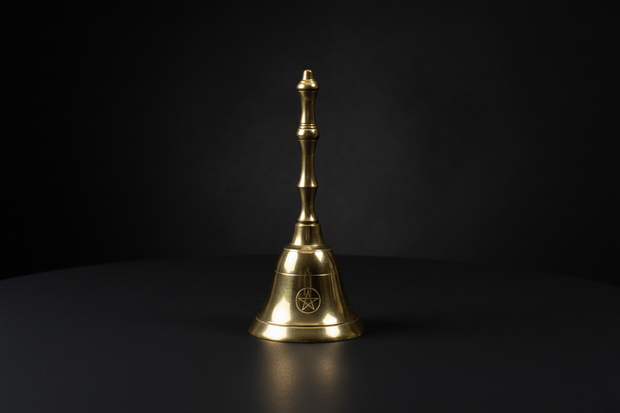
Greater Magic refers to ceremonial psychodrama used for emotional release, concentration, or motivation. Ritual may include candles, music, a bell, written statements, symbolic tools, and dramatic language.
Lesser Magic
Lesser Magic refers to social influence, presentation, communication, observation, and applied psychology in ordinary life.
Common Symbols and Ritual Elements
- Sigil of Baphomet: The official emblem associated with the Church of Satan. A Baphomet engraved slate altar tile is one optional physical way to display the emblem.
- Black and red candles: Used for atmosphere and symbolic focus. A black chime candle is a compact option when black candle symbolism fits the working.
- Bell: Marks the opening and closing of ritual. A brass ritual bell gives that transition a dedicated tool.
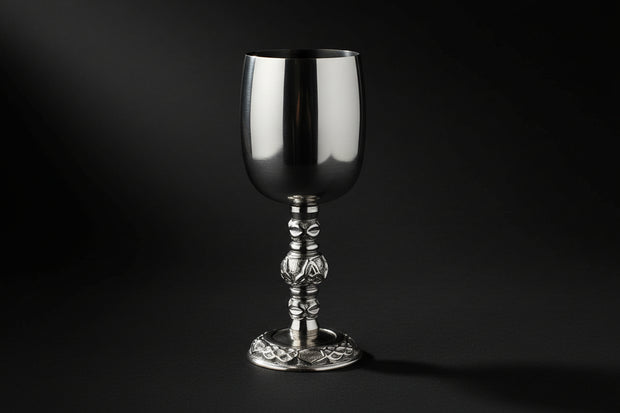
- Chalice: Used for ceremonial toasts or symbolic libation. A plain stainless steel ritual chalice keeps the vessel visually neutral.
- Written petition: States the purpose of the ritual
LaVeyan Satanism and Other Satanic Paths
- Theistic Satanism: Treats Satan or related figures as real spiritual beings.
- The Satanic Temple: Is also non-theistic but places greater emphasis on activism, pluralism, and public legal advocacy.
- Luciferianism: Often emphasizes illumination, knowledge, and self-development rather than LaVeyan carnality and psychodrama.
Common Misconceptions
“LaVeyan Satanists worship the Devil.”
No. Satan is understood symbolically rather than as a literal deity.
“Ritual requires sacrifice or harm.”
No. LaVeyan ritual is typically framed as symbolic psychodrama and does not require injury, sacrifice, or criminal behavior.
“LaVeyan Satanism and The Satanic Temple are the same.”
No. They are separate organizations with different histories, structures, and priorities.
Frequently Asked Questions
Is LaVeyan Satanism atheistic?
Yes. The Church of Satan defines Satan as a symbol rather than a supernatural being.
What book established the philosophy?
The Satanic Bible, published by Anton LaVey in 1969, is its foundational text.
Is ritual required?
No. Ritual is an optional tool for psychodrama, focus, and emotional expression.
Related Reading
Tools for this practice
Explore the products selected for this guide. Review each listing for what is included and how to use it.

Shop this guide · 3 items Collapse


Keep exploring the shop
You made it to the end of the guide. Keep exploring through related products, major departments, or the full catalog.
 RELATED TO THIS GUIDE
Candles & Incense
Shop this topic
RELATED TO THIS GUIDE
Candles & Incense
Shop this topic


Leave a comment