


Satanic Rituals: Myths, Meaning & Responsible Practice

Popular entertainment, conspiracy narratives, and moral panics have often portrayed Satanic ritual as criminal, violent, or secretly abusive. Responsible modern Satanic practices instead include symbolic theater, philosophical reflection, private devotion, celebration, memorial, identity formation, and emotional catharsis. Ritual is not required to identify as a Satanist.
This guide addresses myths, consent, non-harm, group safety, and practical boundaries. For a detailed explanation of psychodrama, devotional ritual, symbolic tools, emotional structure, and closure, read How Ritual Works in Modern Satanism.
Why some Satanists use ritual
Reflection and emotional processing
Ritual may create structured time to name an emotion, examine a conflict, or mark the end of a difficult period. It is most constructive when it supports healthy coping and practical action rather than escalating fixation on another person.
Personal milestones
Ceremony may mark a commitment, birthday, recovery milestone, change in identity, achievement, separation, or new beginning. A written statement, music, art, or spoken affirmation can be sufficient.
Devotion
Theistic practitioners may use prayer or offerings within a religious relationship. Non-theistic practitioners may use similar language symbolically. Personal interpretation should be distinguished from historical fact and objective proof.
Community and celebration
Consenting adults may gather for readings, music, discussion, memorials, or ceremonial events. Clear expectations, voluntary participation, accessibility, and the ability to leave are essential.
What responsible ritual does not require
- animal or human sacrifice;
- self-injury, blood, or bodily fluids;
- sexual activity, nudity, humiliation, or coerced disclosure;
- illegal drugs, intoxication, or weapons;
- trespassing, vandalism, theft, or cemetery disturbance;
- targeting a person for coerced love, sex, fear, or harm;
- obedience to a leader who cannot be questioned;
- racism, antisemitism, hate ideology, or political violence.
Any act involving another person requires informed, freely given, specific, and revocable consent. Religious language does not excuse coercion, abuse, or criminal conduct.
A minimal safe symbolic structure
- Choose a clear, reality-based purpose.
- Prepare a quiet setting with a journal and optional symbolic focal point.
- Use an LED candle or a supervised candle in a stable holder on a clear surface.
- Read a short statement, reflect, and write one practical action.
- Close deliberately, extinguish any flame, clean the area, and return to ordinary activity.
Do not burn photographs, coated paper, loose herbs, powders, oils, plastics, or unknown materials indoors. Ritual blades, weapons, blood, and dangerous fire are unnecessary.
Common myths about Satanic ceremonies
“Satanic ritual always involves crime.”
No. Criminal behavior should be evaluated as criminal behavior, not excused or explained by an occult label. Claims about secret conspiracies require credible evidence rather than rumor, recovered-memory panic, or sensational entertainment.
“A dramatic sensation proves a spirit arrived.”
Chills, tears, breathing changes, candle movement, visual effects, and strong emotion can arise from atmosphere, expectation, stress, ventilation, lighting, or ordinary physiology. They may feel meaningful without proving an external presence.
“A curse is a harmless substitute for action.”
Fixation on a named target can prolong conflict or encourage harassment. Safer alternatives include journaling, shredding an unsent letter, setting boundaries, documenting misconduct, seeking mediation, contacting appropriate authorities, or using lawful remedies.
“Blood proves commitment.”
No. Cutting, blood signatures, and self-injury introduce physical and psychological risk without establishing sincerity. Ordinary ink, spoken words, art, study, or practical action can mark commitment.
“The more dangerous the ritual, the more powerful it is.”
No. Complexity, fire, intoxication, secrecy, and physical risk do not establish spiritual depth. A clear, bounded, safe ritual is stronger than uncontrolled escalation.
Recognizing unsafe groups
Leave groups that promote hate ideology, political violence, illegal acts, self-harm, sexual access as initiation, isolation, financial exploitation, or secrecy around abuse. Warning signs include:
- a leader who cannot be questioned;
- threats of supernatural punishment for leaving;
- pressure to stop medication or professional care;
- demands for large unexplained payments;
- coercive sexual or humiliating acts;
- instructions to harm people, animals, or yourself.
A theatrical aesthetic does not make exploitation acceptable.
Aftercare and reality-based action
Hydrate, eat, rest, restore ordinary lighting, clean the space, and write down what occurred. Identify one practical action connected to the ritual’s purpose. Stop if practice causes ongoing distress, paranoia, compulsive behavior, dissociation, or loss of sleep.
Frequently asked questions
Are Satanic rituals violent?
Responsible modern practices do not require violence, sacrifice, self-injury, or abuse.
Is ritual required to be a Satanist?
No. Many Satanists use ritual, but others practice through philosophy, devotion, study, activism, art, or no ceremony at all.
Can Satanic ritual be entirely symbolic?
Yes. Non-theistic practitioners commonly use ritual as psychodrama, reflection, celebration, identity formation, or emotional processing.
Do theistic rituals require dangerous offerings?
No. Prayer, water, ordinary food, art, study, and ethical action are sufficient options. Read Theistic Satanism for responsible devotional context.
Further study
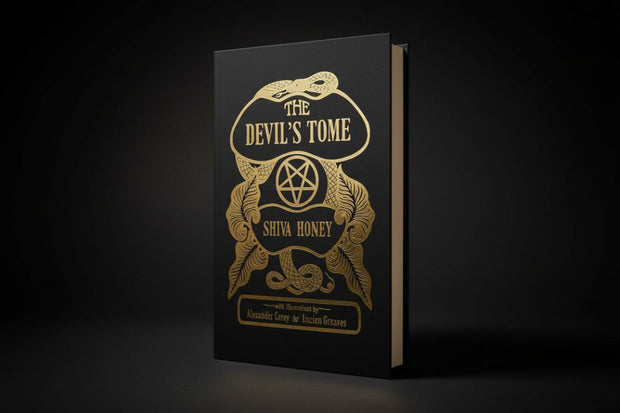
A structured modern ritual source such as The Devil’s Tome can be read critically alongside historical and organizational sources after the safety boundaries are understood.
Tools for this practice
Explore the products selected for this guide. Review each listing for what is included and how to use it.
Shop this guide · 1 item Collapse
Keep exploring the shop
You made it to the end of the guide. Keep exploring through related products, major departments, or the full catalog.


Leave a comment