


How Scholars Distinguish Theistic and Atheistic Satanism

Religious-studies scholars commonly distinguish atheistic and theistic Satanism according to whether Satan is understood symbolically or as a real spiritual being. The distinction also affects ritual theory, cosmology, organization, authority, and the language practitioners use to describe religious experience.
This is an analytical distinction, not a ranking of which form is more sincere or legitimate. Individual practitioners may prefer different labels, and neither category is completely uniform.
Modern Satanism as a religious category
Academic research generally treats modern Satanism as a contemporary religious development rather than an uninterrupted survival of medieval devil-worship accusations. Within that broad category, scholars examine several related but distinct movements.
The most basic division concerns ontology: whether Satan exists independently of human psychology and symbolism.
How scholars classify atheistic Satanism
Atheistic, rationalist, symbolic, or non-theistic Satanism is associated historically with the Church of Satan, founded by Anton Szandor LaVey in 1966, and also includes later organizations and independent practitioners with different philosophies.
- Satan: a symbol, archetype, adversarial identity, or literary figure rather than a supernatural being;
- Cosmology: materialist, naturalistic, secular, or otherwise non-supernatural;
- Ritual: psychodrama, catharsis, performance, reflection, celebration, or focused self-expression;
- Authority: individual judgment, published philosophy, institutional principles, and personal responsibility;
- Organization: often connected with identifiable institutions and public texts.
Religious language and ceremony can remain important even when supernatural claims are rejected. Scholars therefore study non-theistic Satanism as symbolic religion rather than simply as ordinary atheism.
Public non-theistic organizations are not interchangeable
The Church of Satan and The Satanic Temple are both non-theistic, but they have different histories, philosophies, structures, and public missions. Using “atheistic Satanism” as a category does not erase those institutional differences.
How scholars classify theistic Satanism
Theistic or devotional Satanism affirms Satan, Lucifer, or related beings as real spiritual entities. It developed through decentralized occult networks and independent practitioners rather than one universally recognized founding organization.
- Satan: a deity, spirit, intelligence, adversarial power, or real metaphysical being;
- Cosmology: includes supernatural or spiritual realities;
- Ritual: prayer, invocation, offering, communion, meditation, or devotional practice;
- Authority: personal theology, revelation, tradition, historical sources, or spiritual relationship;
- Organization: frequently decentralized and diverse.
Theistic Satanists do not share one universal doctrine. Beliefs about Satan’s identity, ethics, cosmology, ritual, and relationship to other beings vary substantially.
Comparison at a glance
| Question | Atheistic or symbolic Satanism | Theistic or devotional Satanism |
|---|---|---|
| What is Satan? | A symbol, archetype, literary figure, or adversarial identity | A real spiritual being, deity, intelligence, or power |
| How is ritual understood? | Psychodrama, reflection, ceremony, catharsis, or expression | Prayer, offering, invocation, communion, or spiritual relationship |
| What is the cosmology? | Usually materialist, naturalistic, or secular | Includes spiritual or supernatural realities |
| Where does authority come from? | Philosophy, reason, institutional texts, and personal judgment | Personal theology, revelation, sources, tradition, and relationship |
| How is it organized? | Includes public organizations and independent practitioners | Usually decentralized networks, small groups, and independent practitioners |
Ritual theory: psychodrama versus invocation
Psychodramatic ritual
In non-theistic Satanism, ritual may use dramatic language, candles, music, symbols, or ceremonial roles to produce emotional release, concentration, confidence, identity reinforcement, or personal transformation. No external spiritual being is required for the ritual to have meaning.
Devotional or invocatory ritual
In theistic Satanism, a practitioner may understand ritual as communication or relationship with an external spiritual presence. Prayer, offerings, meditation, or invocation may be treated literally rather than symbolically.
The same visual form can therefore carry different meanings. An invocation may be symbolic theater for one practitioner and devotional communication for another.
Shared themes
Despite theological differences, both categories may emphasize:
- individual sovereignty;
- opposition to imposed dogma;
- personal responsibility;
- adversarial symbolism;
- resistance to the idea that Satan must represent absolute evil;
- self-development, autonomy, or self-directed practice.
Shared themes do not erase the central theological difference between symbolic and devotional interpretations.
Shared historical influences
Both forms developed within a modern Western context shaped by:
- literary portrayals of Satan and Lucifer;
- Romantic rebellion and anti-authoritarian symbolism;
- Western esotericism and occult revival movements;
- secularization and modern individualism;
- Left-Hand Path concepts of self-direction and autonomy;
- modern religious innovation and identity formation.
Why academic terminology varies
Scholars may use rationalist Satanism, symbolic Satanism, atheistic Satanism, non-theistic Satanism, devotional Satanism, spiritual Satanism, or theistic Satanism. These labels clarify analytical differences but do not always match every practitioner’s preferred identity.
Some people use blended or changing labels, although literal belief and symbolic interpretation remain different theological positions.
Why the distinction matters
- It prevents symbolic ritual from being misrepresented as literal worship.
- It prevents devotional belief from being reduced to theater or metaphor.
- It clarifies differences in cosmology, ritual, organization, and authority.
- It shows why modern Satanism is better understood as a plural category than one uniform religion.
- It helps readers evaluate organizations and sources without assuming that one institution speaks for everyone.
Common misconceptions
“All Satanists believe in a literal Devil.”
No. Many modern Satanists are atheistic and use Satan symbolically.
“Atheistic Satanism has no rituals.”
No. Many non-theistic Satanists use ritual for reflection, catharsis, community, identity, art, or psychodrama.
“Theistic Satanism is one organized religion.”
No. It is an umbrella category containing varied beliefs and independent traditions.
“One category is more authentic than the other.”
That is a theological or organizational claim, not the purpose of the scholarly distinction.
Frequently asked questions
What is the main difference between theistic and atheistic Satanism?
The central distinction is whether Satan is understood as a real spiritual being or as a symbol, archetype, or adversarial identity.
Do scholars consider both forms part of modern Satanism?
Yes. Academic studies commonly analyze both within the broader field of contemporary religious Satanism.
Which form is more common?
Public organizations are often non-theistic, but reliable numbers for private and independent practitioners are difficult to establish.
Can someone move from one approach to the other?
Yes. Beliefs and interpretations may change through study and experience.
Related reading
- Left-Hand Path vs. Right-Hand Path: Meaning, Differences & Examples
- What Is Modern Satanism?
- Non-Theistic Satanism
- Theistic Satanism
- LaVeyan Satanism
Books for Further Study
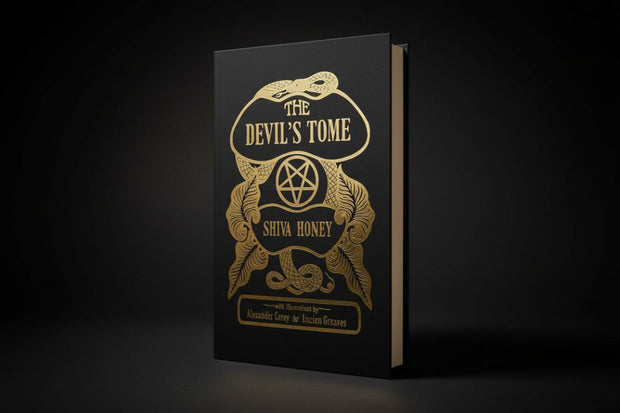
If you want to continue beyond an online overview, browse Occult Studies Books for longer-form works on esotericism, religious history, Satanism, magic, symbolism, and related subjects. A book appearing in the collection does not make every author or interpretation authoritative; compare editions, sources, and scholarly context.
Selected references
- Dyrendal, Asbjørn, James R. Lewis, and Jesper Aa. Petersen. The Invention of Satanism.
- Faxneld, Per. Satanic Feminism.
- LaVey, Anton Szandor. The Satanic Bible.
- Petersen, Jesper Aa., ed. Contemporary Religious Satanism.
- van Luijk, Ruben. Children of Lucifer.
Tools for this practice
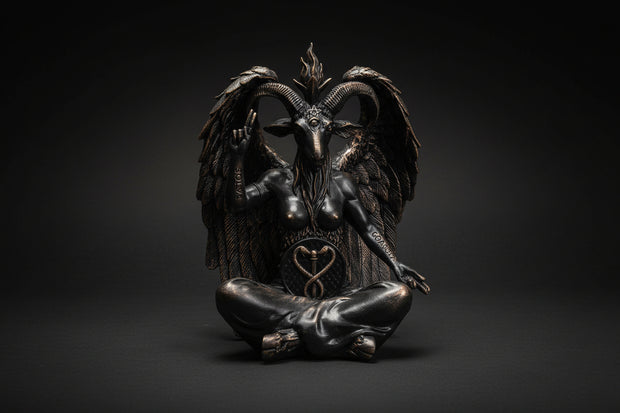
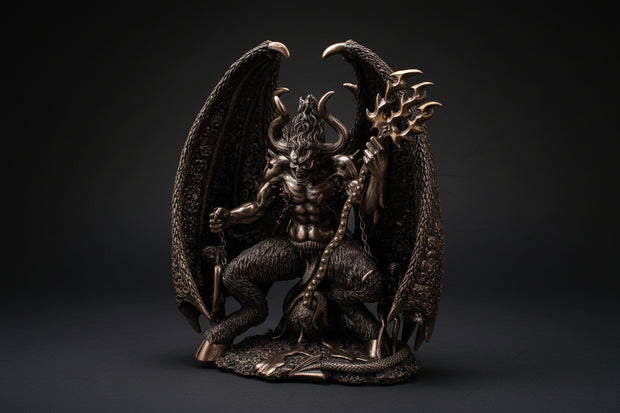
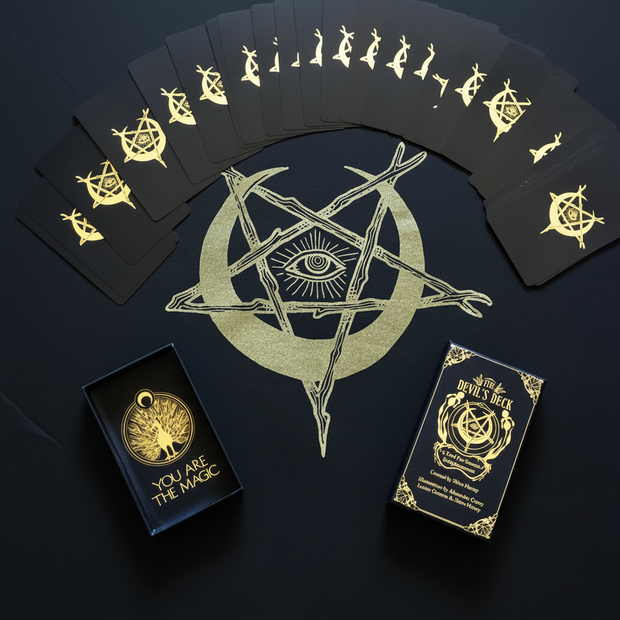
Explore the products selected for this guide. Review each listing for what is included and how to use it.
Shop this guide · 4 items Collapse


Keep exploring the shop
You made it to the end of the guide. Keep exploring through related products, major departments, or the full catalog.


Leave a comment