


Methods for Charging Sigils

To charge a sigil, place the finished symbol in front of you, recall the intention once, focus on the mark for several minutes, and use a deliberate method such as meditation, breath, movement, sound, candlelight, or visualization to concentrate attention on it. When the focus feels complete, end the charging stage and move into your chosen activation or placement method.
Different traditions explain charging as directing ritual energy, entering gnosis, or strengthening a psychological association between a symbol and its purpose. The shared practical element is focused attention; no single dramatic sensation is required.
Create the Sigil Before You Charge It
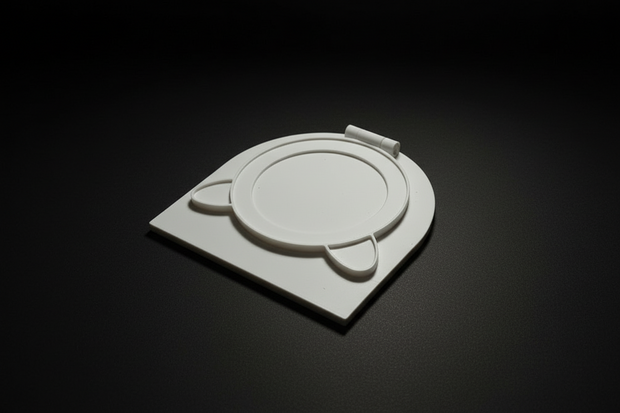
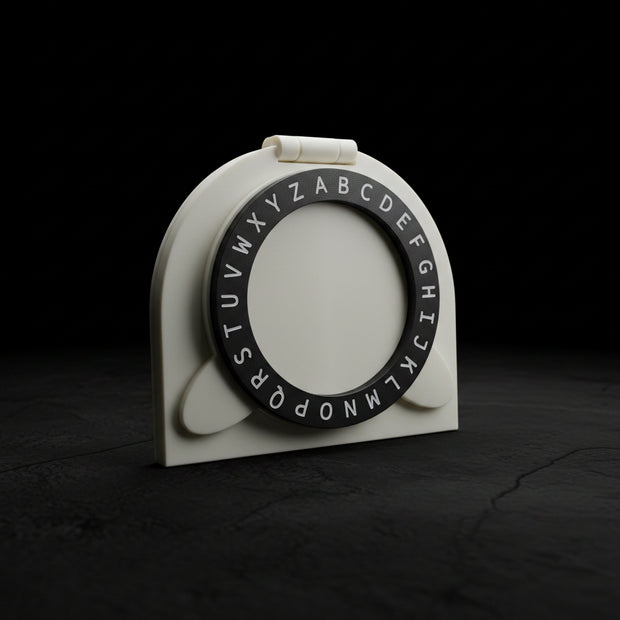
Charging starts after the symbol is built. If you want a repeatable construction method, the Sigil Forge Starter Set combines the beginner-friendly Classic Edition with the Companion Holder so your plate and paper stay aligned while you create the sigil.
Explore the Sigil Forge Starter Set →
Already have your preferred construction method? Continue with the charging practices below.
What Does It Mean to Charge a Sigil?
Charging is the period between creating the symbol and activating or placing it into use. During this stage, the practitioner concentrates on the sigil and the intention it represents.
A charging method is useful when it helps the practitioner:
- quiet distractions;
- recall the intention clearly;
- build a strong association with the symbol;
- recognize a deliberate transition into activation.
There is no universal sensation that proves a sigil is charged. The process is subjective and should not become a source of anxiety.
Meditation-Based Charging
Meditation is one of the simplest approaches.
- Place the sigil where it can be seen comfortably.
- Slow the breath and relax unnecessary tension.
- Read or recall the intention once.
- Rest attention on the symbol for several minutes.
- End when focus feels steady and complete.
The goal is not to force an altered state. A quiet period of undivided attention is sufficient.
Breath and Visualization
Breath can provide rhythm and prevent the mind from wandering. On each inhale, imagine attention gathering. On each exhale, imagine that attention moving toward the sigil.
Visualization may include the symbol becoming brighter, clearer, warmer, larger, or more firmly connected to the intended action. Use imagery that is easy to maintain rather than overly elaborate.
Stop if breathwork causes dizziness, panic, pain, or discomfort. Charging does not require breath retention or extreme breathing techniques.
Charging Through Emotion
Some practitioners charge sigils while intentionally connecting with an emotion related to the goal, such as determination, relief, courage, gratitude, or resolve.
The purpose is directed emotional focus, not emotional overwhelm. Avoid deliberately provoking panic, rage, grief, or trauma responses for the sake of a ritual. A stable and manageable emotional state is safer and usually easier to connect to practical action.
Movement-Based Charging
Practitioners who struggle with still meditation may prefer movement. Options include:
- walking slowly while holding the intention in mind;
- repeating a simple gesture that traces the sigil;
- rhythmic movement with quiet music or drumming;
- drawing the symbol repeatedly until the motion becomes fluid.
The movement should support concentration rather than become a test of endurance.
Voice, Chant, and Sound
A word, short phrase, prayer, tone, bell, drumbeat, or repeated sound can be used to maintain focus. The sound may be repeated while looking at the sigil, then stopped deliberately before activation.
Keep volume appropriate to the space and protect your hearing. A charging ritual does not need to be loud to be meaningful.
Charging With a Candle
A sigil may be placed beside a candle, drawn on a petition, or carved into the wax. The flame provides a visual focal point while the practitioner concentrates on the symbol.
Use a stable, heat-safe holder. Keep paper, herbs, oils, loose fabric, and other flammable materials away from the flame. Never leave a burning candle unattended.
For a complete candle method, read Using Sigils in Candle Magic.
Charging Within a Larger Ritual
A sigil can serve as the central focus of a longer working that includes cleansing, grounding, prayer, offerings, incense, divination, or devotional practice. The added structure is optional.
Use only elements that have a clear purpose. More tools do not automatically create stronger focus, and complicated rituals can make it harder to identify what was actually meaningful.
How Long Should Charging Take?
There is no required duration. A focused minute may be more useful than an hour of divided attention. Beginners can start with three to five minutes and adjust based on comfort and purpose.
Long-term household or protective sigils may be revisited periodically, while a short-term sigil may be charged once before activation.
How Do You Know When to Stop?
Practitioners often end the charging stage when:
- the intention can be recalled without effort;
- attention feels settled rather than scattered;
- the symbol feels familiar and memorable;
- the chosen ritual sequence has reached its natural conclusion.
These are personal cues, not objective measurements. You do not need a dramatic physical sensation.
Move Deliberately Into Activation
Charging prepares the symbol. Activation places it into use. The transition can be marked by lighting a candle, carrying the sigil, placing it in a location, tearing the paper, or performing another deliberate closing gesture.
Compare options in How to Activate Sigils in Spellwork.
A Simple Charging Routine
- Read the intention once.
- Take several comfortable breaths.
- Focus on the sigil for three minutes.
- Visualize one practical action connected to the goal.
- State that action aloud or write it down.
- Proceed to the chosen activation method.
This routine keeps the work clear and connects the ritual to behavior outside the ritual space.
Avoid Overcomplication
The best charging method is one you can perform safely and consistently. Meditation, breath, movement, sound, candles, and structured ritual are all options—not requirements.
Begin with a simple method, record what you did, and refine the process over time. The larger framework is explained in Sigil Magic: Creating, Charging, and Activating Symbols of Intention.
Build, Charge, and Activate With a Repeatable Process
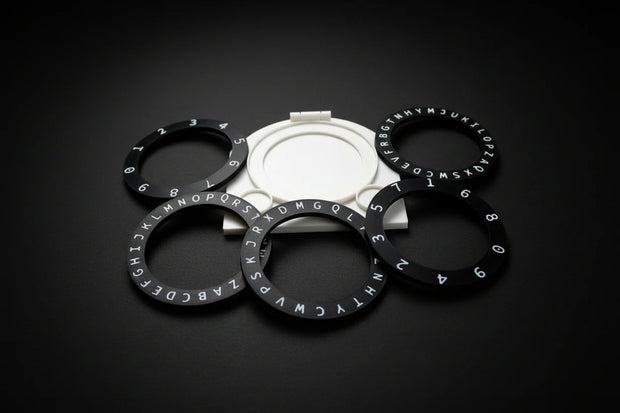
Use the Classic Edition for a clear starting framework, add the Companion for greater stability, or choose the Master Set when you want access to alphabetical and numerical construction systems.
Shop the Classic Edition · Shop the Companion · View the Master Set
Sigil charging is a spiritual and symbolic practice. Avoid unsafe breathing, emotional self-harm, unattended flame, excessive smoke, or any ritual method that puts physical or mental health at risk.
How to Charge a Sigil Without Fire
You do not need to burn a sigil or use a candle to charge it. Non-burning methods include meditation, steady breathing, visualization, spoken intention, tracing the symbol, movement, music, drumming, bells, or simply placing focused attention on the finished mark for several minutes. Choose the method that helps you concentrate without creating unnecessary fire, smoke, or heat risk.
Charging vs. Activating a Sigil
Charging is the focused preparation stage in which you concentrate attention, intention, or ritual meaning into the symbol. Activation is the point at which you deliberately put the sigil into use—for example by carrying it, placing it at a location, displaying it, incorporating it into a ritual, or using another method consistent with your practice. Some traditions combine these stages; others keep them separate.
Tools for this practice
Explore the products selected for this guide. Review each listing for what is included and how to use it.



Keep exploring the shop
You made it to the end of the guide. Keep exploring through related products, major departments, or the full catalog.
 RELATED TO THIS GUIDE
Sigil Making Tools & Sigil Design Supplies
Shop this topic
RELATED TO THIS GUIDE
Sigil Making Tools & Sigil Design Supplies
Shop this topic


Leave a comment