


How to Activate Sigils in Spellwork

Activation is the point at which a prepared sigil is placed into use. After the intention has been written, the symbol created, and the charging stage completed, the practitioner performs a deliberate action that marks the transition from preparation to practice.
The best activation method depends on the purpose of the sigil, how long it is intended to remain active, and which materials can be used safely.
Charging and Activation Are Different
Charging focuses attention on the symbol and its purpose. Activation is the action that begins, releases, places, or formally establishes the working.
A simple process may look like this:
- define the intention;
- create the symbol;
- charge it through focused attention;
- activate it through a deliberate action;
- take the practical steps connected to the goal.
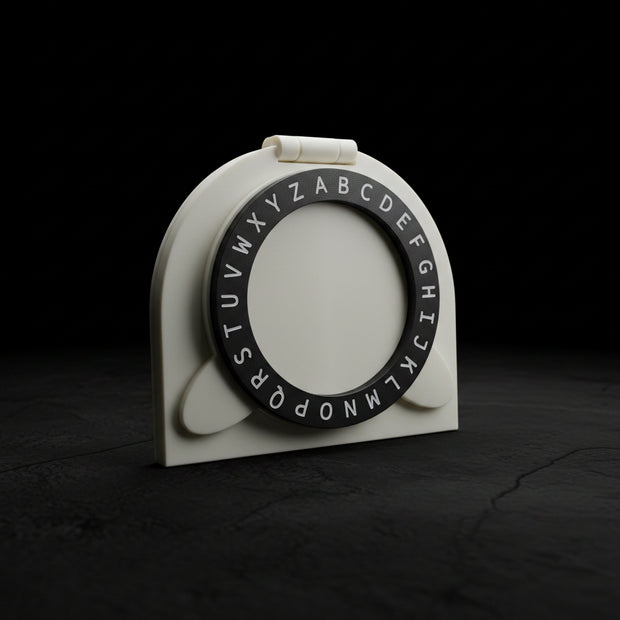
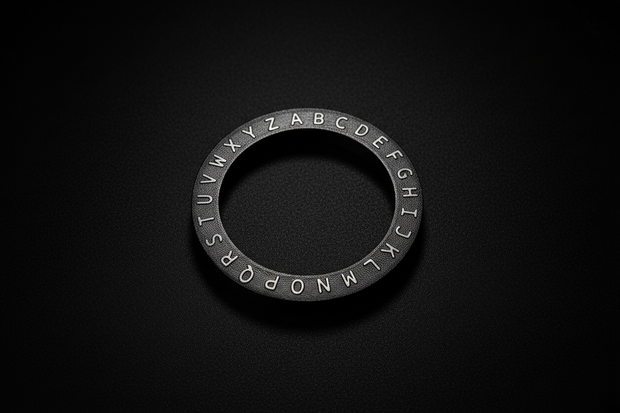
If you are still at the construction stage, browse sigil-making tools and Sigil Forge systems before choosing a charging and activation method.
For charging options, read Methods for Charging Sigils.
How to Activate a Sigil Without Fire
You do not need fire to activate a sigil. A no-flame activation can be as simple as carrying the symbol, placing it where the intention matters, folding or tearing the paper, putting it into a journal or ritual box, or formally dedicating a reusable object.
- Carry it: place the sigil in a wallet, pocket, journal, pouch, or phone case for an ongoing intention.
- Place it: put the sigil in a relevant location, such as near a workspace or household entrance.
- Fold or tear it: use a deliberate physical action to mark activation, completion, or transition.
- Use a reusable form: display, carve, paint, or engrave the symbol and establish it through a spoken intention or repeated practice.
Choose the method that best matches the purpose of the sigil and the space where you are working. Burning is one symbolic option, not a requirement.
Burning a Sigil
Burning is commonly used when the practitioner wants to symbolize release, transformation, or a decisive ending. The paper is burned after the final period of focus, and the destruction of the visible symbol marks completion.
Fire safety is part of the ritual:
- use a small piece of plain paper;
- work in a fireproof container on a stable surface;
- keep water or an extinguisher nearby;
- provide ventilation;
- keep flame away from herbs, oils, curtains, shelves, pets, and children;
- remain present until every ember is cold.
Do not burn coated paper, plastic, glossy ink, unknown materials, or anything that may release toxic fumes.
Carrying the Sigil
A sigil can be folded and carried in a wallet, pocket, journal, pouch, or phone case. This method suits intentions connected to ongoing habits, confidence, focus, communication, or personal boundaries.
The symbol may be viewed briefly before a relevant action, such as beginning work, entering a meeting, or practicing a grounding exercise.
Retire the sigil when the purpose changes, the paper deteriorates, or the working is complete.
Placing the Sigil in a Specific Location
Environmental placement works well when the intention is connected to a space.
- Place a focus sigil near a desk or study area.
- Place a calming sigil in a meditation space.
- Place a household boundary sigil near an entrance.
- Place a devotional sigil on an altar where it belongs within the tradition.
The placement should be safe, lawful, and respectful of everyone who shares the space. Do not mark rented property, public property, or another person’s belongings without permission.
Activating Through Candle Work
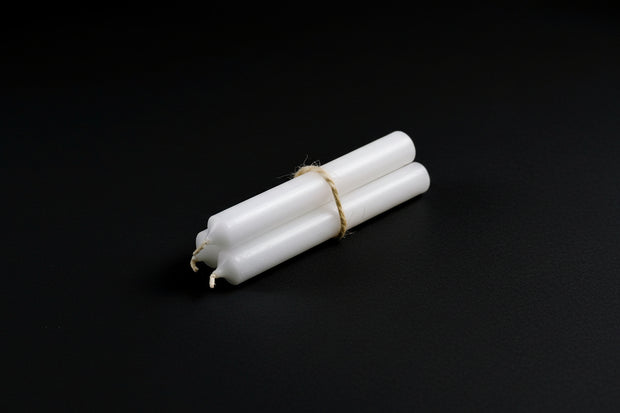
A sigil may be carved into a candle or drawn on a petition placed beside a stable holder. The lighting of the candle marks activation, and the burn creates a timed ritual period.
Loose paper should never sit where it can contact flame or hot wax. Do not place herbs or excess oil directly against a burning wick. Never leave a candle unattended.
See Using Sigils in Candle Magic for a complete method.
Tearing or Retiring the Sigil
Fire is not required. A paper sigil can be torn into small pieces, crossed out, folded closed, placed in an envelope, or otherwise retired through a deliberate gesture.
This method is useful in spaces where smoke or flame is unsafe. It can also symbolize ending a working without introducing unnecessary environmental or fire risks.
Burying a Sigil
Some traditions use burial for intentions associated with growth, stability, land, or long-term household work. Use only plain, biodegradable paper and lawful private property. Avoid protected land, public parks, agricultural areas, waterways, and places where digging is prohibited.
A safer alternative is to place the sigil in a houseplant pot or sealed container rather than leaving material outdoors.
Using a Reusable Sigil
Protective and devotional sigils may be carved, painted, engraved, embroidered, or displayed for repeated use. In this case, activation may consist of placing the object, speaking the intention, lighting a nearby candle safely, offering prayer, or revisiting the symbol during routine maintenance.
For household applications, read Protection Sigils for Home Warding and Defense.
Choosing an Activation Method
Match the method to the intended function:
- Release or completion: safe burning, tearing, or disposal.
- Daily reinforcement: carrying or journaling.
- Household or environmental work: placement or a reusable object.
- Timed ritual: supervised candle work.
- Long-term practice: display, periodic maintenance, or devotional use.
No method is automatically stronger than another. A clear, safe, repeatable action is preferable to a dramatic method that introduces avoidable risk.
What Happens After Activation?
Complete the ritual, clean the space, and take the practical action connected to the intention. Some practitioners then avoid repeatedly checking the sigil or searching for signs. Others keep a dated journal and review the working later.
Both approaches can be useful when they reduce anxiety and encourage honest observation. The sigil should support decision-making and behavior, not create fear that a ritual was performed imperfectly.
A Simple Activation Routine
- Read the intention one final time.
- Focus on the sigil for several comfortable breaths.
- Perform the chosen activation action.
- State one practical action you will take next.
- Close the ritual and record the date if desired.
For the full framework, return to Sigil Magic: Creating, Charging, and Activating Symbols of Intention.
Sigil activation is a spiritual and symbolic practice. Use fire, smoke, sharp tools, outdoor placement, and ritual materials responsibly. It should not replace medical, mental health, legal, financial, security, or emergency assistance.
Sigil Making Tools & Kits
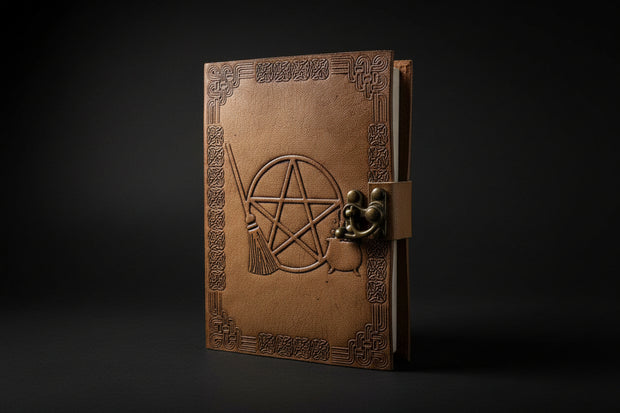
If you want a repeatable physical framework for constructing sigils, browse our Sigil Making Tools & Kits and Sigil Making for Beginners. The tools support the design process; intention, interpretation, and use remain with the practitioner.
Tools for this practice
Explore the products selected for this guide. Review each listing for what is included and how to use it.
Shop this guide · 4 items Collapse


Keep exploring the shop
You made it to the end of the guide. Keep exploring through related products, major departments, or the full catalog.
 RELATED TO THIS GUIDE
Ritual Supplies & Altar Tools
Shop this topic
RELATED TO THIS GUIDE
Ritual Supplies & Altar Tools
Shop this topic


Leave a comment