


Satanic Rituals for Beginners: Safe Symbolic Practice

Satanic ritual means different things in different traditions. Some non-theistic Satanists use ritual as theater, reflection, emotional release, or a way to focus on personal values. Some theistic practitioners understand ritual devotionally. Others identify with Satanic philosophy and never perform ritual at all.
No blood, injury, illegal act, sexual activity, dangerous fire, or dramatic initiation is required. A meaningful beginner ritual can be quiet, private, and entirely symbolic.
Choose a Clear Ritual Purpose
Begin with one grounded purpose: marking a milestone, reflecting on autonomy, releasing an outdated belief, building confidence, or committing to a practical goal. Avoid promises of supernatural control over another person.
A Safe Beginner Ritual Setup
- A stable table or shelf
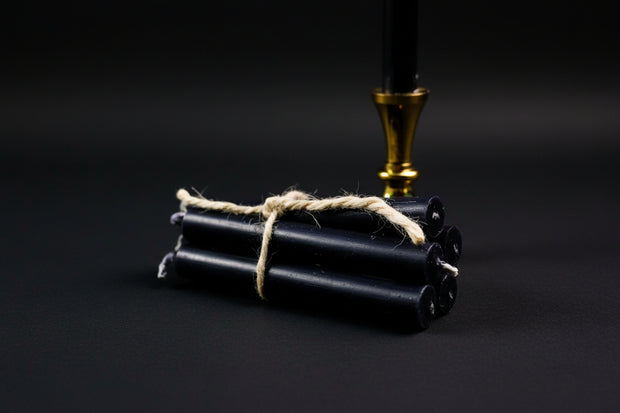
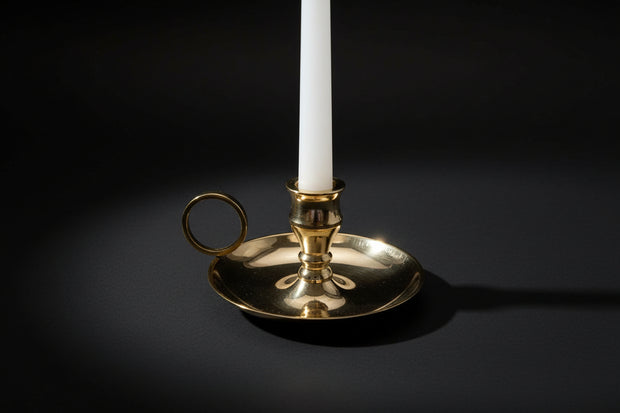
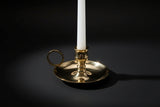
- An LED candle or a supervised black chime candle in a small brass chamberstick
- A printed symbol, artwork, or personal sigil meaningful to the practice
- A journal and pen
- A glass of ordinary drinking water
- Optional music at a comfortable volume
Keep exits clear and the area ventilated. Never leave flame or incense unattended. Do not place loose herbs, oils, paper, or powders near a flame. Ritual tools are symbolic and should never be used to injure yourself or another person.
A Ten-Minute Symbolic Satanic Ritual
- Settle. Sit or stand comfortably and take several slow breaths.
- Name the purpose. State exactly what the ritual is for.
- Use a symbol. Reflect on a quality such as independence, inquiry, knowledge, or self-possession.
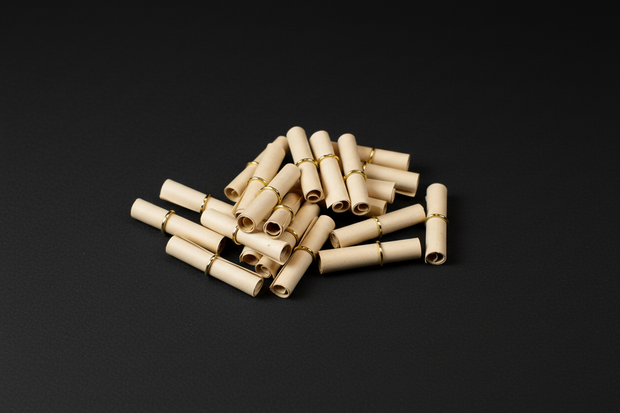
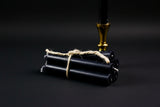
- Write one statement. Record what you are releasing and one practical action you will take. Ordinary paper is enough; if you prefer a small dedicated format, blank ritual scrolls can keep petitions or commitments separate from everyday notes.
- Read an affirmation. For example: “I take responsibility for my choices. I reject coercion and needless harm. I will act deliberately rather than from fear.”
- Close. Turn off the light or extinguish the candle safely, drink water, and return to ordinary activity.
Beginner Ritual Themes
Self-Dedication
Write a personal statement of values and sign it with an ordinary pen. There is no need to cut, prick, burn, or mark the body.
Release and Transition
Cross out, shred, or recycle a written belief or habit you want to leave behind. Pair the symbolic act with a real next step, such as setting a boundary, changing a routine, or seeking support.
Confidence and Focus
Write a statement about a specific situation and rehearse the behavior you want to practice. Ritual should support preparation and action rather than replace them.
Study and Reflection
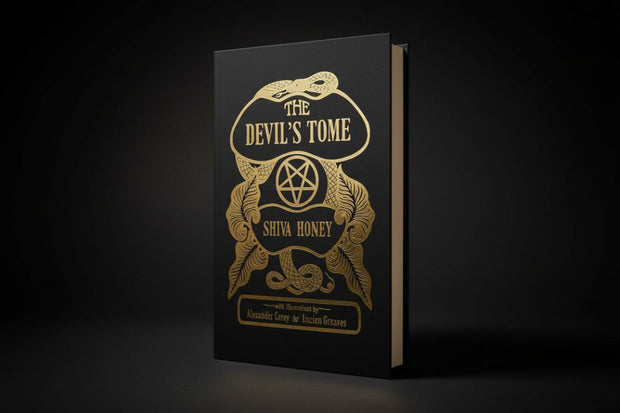
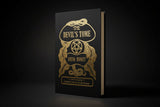
Read a primary text, historical source, or carefully researched article. Note what you agree with, what you reject, and what requires more evidence. For a structured modern Satanic ritual source, The Devil’s Tome can be read critically alongside historical material.
Firm Safety and Ethical Boundaries
- Do not use blood, cutting, self-injury, bodily fluids, or unsafe substances.
- Do not burn paper, photographs, powders, oils, or loose plants indoors.
- Do not trespass, vandalize, disturb cemeteries, or enter unsafe buildings.
- Do not perform coercive love or sexual work, threats, stalking, or harassment.
- Do not use ritual to justify harming animals, children, yourself, or another person.
- Do not mix ritual with intoxication, weapons, reckless driving, or other dangerous activity.
- Do not treat frightening thoughts, sensations, or coincidences as commands that must be obeyed.
Aftercare and Practical Action
Hydrate, eat, rest, and write down what you learned. Identify one practical action connected to the ritual’s purpose. Stop if the practice increases fear, compulsive behavior, paranoia, or distress, and seek support from someone you trust or a qualified professional.
Frequently Asked Questions
Do beginner Satanic rituals require special tools?
No. A journal, symbolic image, LED candle, and clear purpose are enough.
Is blood required in a Satanic ritual?
No. Blood and self-injury are unnecessary and unsafe. A dedication can be written in ordinary ink.
Can Satanic ritual be non-theistic?
Yes. Many non-theistic Satanists use ritual symbolically for reflection, psychodrama, celebration, or emotional processing.
Continue From Reading to Practice
If you want to compare symbolic tools rather than assemble a ritual from random objects, browse the Satanic Altar Supplies collection. Start with the minimum your practice actually needs; no specialized object is universally required.
Related Reading
Tools for this practice
Explore the products selected for this guide. Review each listing for what is included and how to use it.
Shop this guide · 4 items Collapse

Keep exploring the shop
You made it to the end of the guide. Keep exploring through related products, major departments, or the full catalog.
 RELATED TO THIS GUIDE
Candles & Incense
Shop this topic
RELATED TO THIS GUIDE
Candles & Incense
Shop this topic


Leave a comment