


Sigil Forge Chaos Edition: Consonant Chaos Sigil Generator

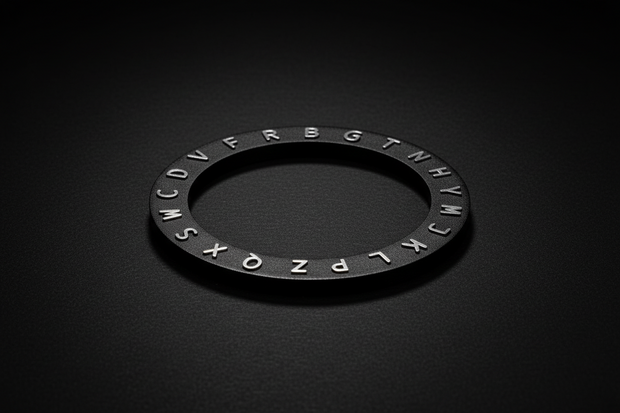
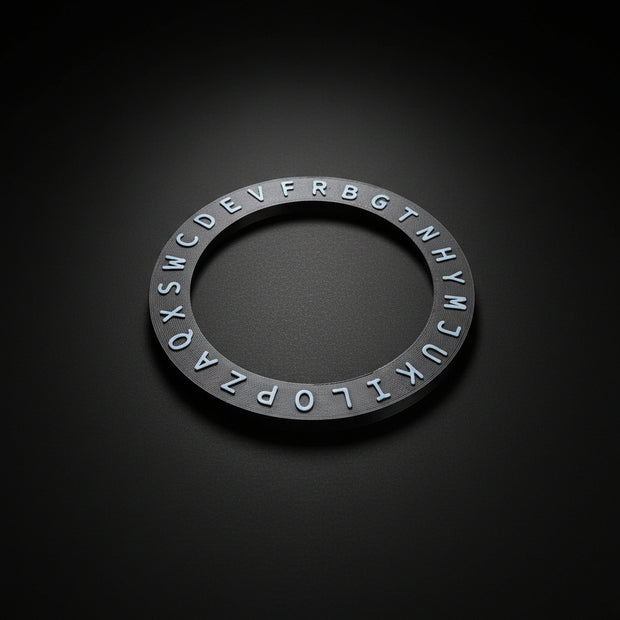
The Sigil Forge Chaos Edition is a reduced alphabet system for constructing sigils from written intentions. It removes the standard vowels and rearranges the remaining consonants before the statement is plotted.
This produces a more compressed structure than a full-alphabet engine. It is a modern creative framework, not a claim of ancient or universally established magical law.
How the Chaos Edition Differs
Full-alphabet systems retain every letter. The Chaos Edition begins by removing:
A E I O U
The remaining consonants are organized through the Chaos framework. When an intention is processed, its vowels disappear and repeated consonants may also be removed according to the practitioner’s chosen rule.
The reduced input often creates shorter paths and symbols that are less visibly connected to ordinary language.
Why Remove Vowels?
Vowel removal is common in several modern letter-reduction methods because it compresses the statement quickly. Practitioners may use this approach to:
- reduce visual clutter;
- move the design farther from readable text;
- create a smaller set of plotted points;
- emphasize the structural consonants of the statement;
- generate a design that is easier to carve or reproduce.
Removing vowels is a construction choice, not a requirement for effective sigil work.
Prepare the Intention
Begin with one clear statement, such as:
“I maintain calm focus during my work.”
Then apply the Chaos reduction rule:
- remove spaces and punctuation;
- remove A, E, I, O, and U;
- decide whether repeated consonants will remain;
- record the final sequence before plotting.
Consistency matters. Use the same reduction rule when comparing multiple intentions or engines.
Generate the Raw Sigil
- Locate the first remaining consonant in the Chaos framework.
- Draw a line to the next consonant.
- Continue through the full reduced sequence.
- Mark the beginning or end if desired.
- Save the unedited structure before refining it.
The raw path may contain sharp turns, overlapping lines, or repeated positions. These become the starting material for the finished symbol.
Refine the Design
A generated sigil can be simplified by:
- removing redundant overlaps;
- merging nearby lines;
- rotating or mirroring the structure;
- adding a circle, line, or boundary mark;
- redrawing the form with smoother movement;
- reducing detail for candle carving or small charms.
The finished sigil should remain practical enough to reproduce.
Chaos vs Classic
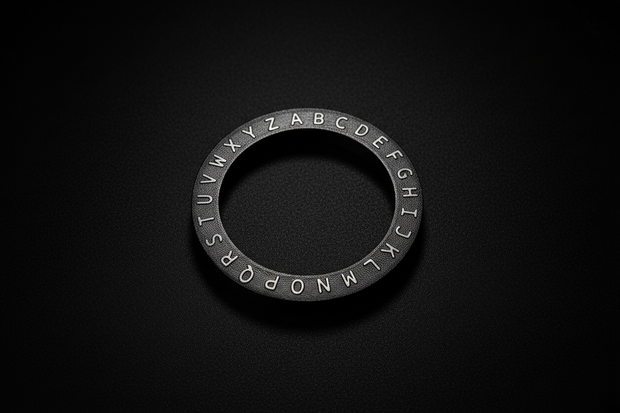
The Classic Edition retains a full ordered alphabet. Chaos reduces the alphabet and changes its arrangement.
Classic makes the relationship between text and design easier to trace. Chaos creates a shorter, less familiar path. Comparing the same intention in both systems demonstrates how reduction changes the geometry.
Chaos vs Cypher
The Cypher Edition rearranges the full alphabet. Chaos also rearranges the field but removes vowels first.
Choose Cypher when you want to retain every letter. Choose Chaos when you want a more compressed consonant-based structure.
Best Uses for the Chaos Edition
This edition may suit practitioners who want:
- minimal or highly abstract sigils;
- a consistent vowel-removal method;
- designs suited to carving or compact placement;
- a strong contrast with full-alphabet engines;
- multiple visual options from the same intention.
A Comparison Exercise
- Finalize one short intention.
- Generate it with the Classic Edition.
- Generate it with the Cypher Edition.
- Remove vowels and generate it with the Chaos Edition.
- Compare the number of points, overlaps, and total line length.
- Refine all three under the same design limits.
This makes the effect of alphabet reduction easy to observe.
Complete the Ritual Process
The Chaos Edition handles symbol construction only. The practitioner still determines the meaning, charging method, activation method, and practical action associated with the intention.
Begin with How to Write Effective Sigil Intentions, then continue with the full guide to creating, charging, and activating sigils.
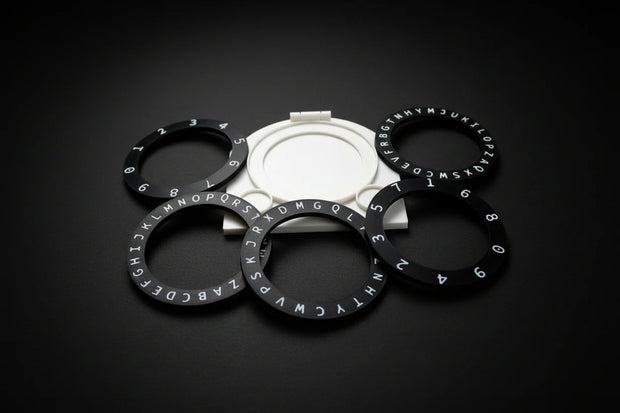
Explore the Sigil Forge Chaos Edition individually, or compare every available engine in the Sigil Forge Master Set.
Sigil Forge is a creative and ritual construction tool. It does not guarantee outcomes and should not replace practical, medical, mental health, legal, financial, safety, or emergency action.
Tools for this practice
Explore the products selected for this guide. Review each listing for what is included and how to use it.
Shop this guide · 4 items Collapse


Keep exploring the shop
You made it to the end of the guide. Keep exploring through related products, major departments, or the full catalog.
 RELATED TO THIS GUIDE
Ritual Supplies & Altar Tools
Shop this topic
RELATED TO THIS GUIDE
Ritual Supplies & Altar Tools
Shop this topic


Leave a comment