


Sigil Forge Cypher Edition: Scrambled Alphabet Sigil Generator

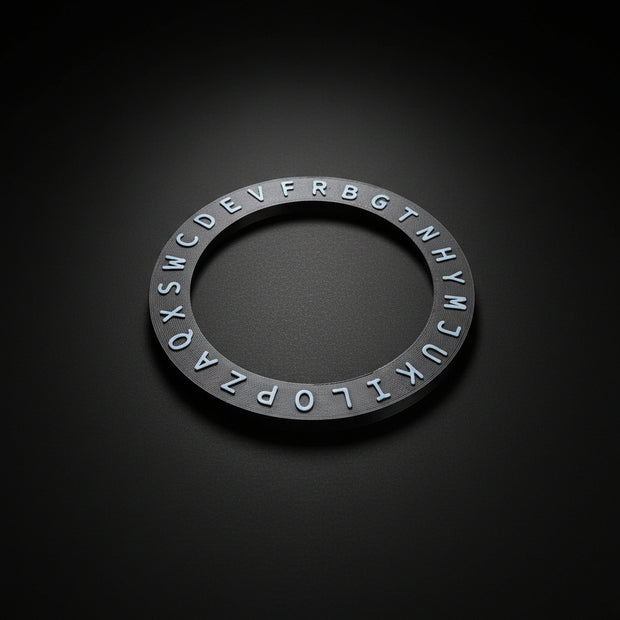
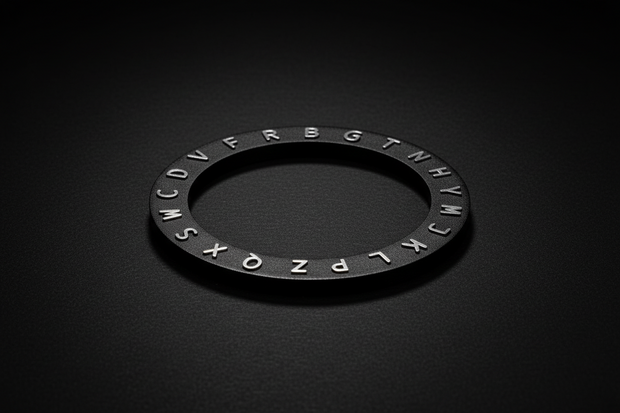
The Sigil Forge Cypher Edition is an alphabet-based sigil construction tool that rearranges the ordinary A–Z sequence before the intention is plotted. The changed order produces a less familiar geometric path while preserving a repeatable method.
The Cypher Edition is not a historical cipher or a claim of secret ancient encoding. It is a modern creative framework for generating alternative sigil structures.
How the Cypher Edition Works
Each letter is assigned to a position within a deliberately rearranged alphabet field. The practitioner prepares an intention, follows the letters through those positions, and connects the sequence into a raw line design.
Because the alphabet is no longer in familiar order, ordinary letter relationships are broken. The resulting path may feel more abstract than one created with a standard alphabet.
Why Rearrange the Alphabet?
Rearrangement changes the geometry without changing the intention. This allows practitioners to:
- create designs that are less visibly connected to ordinary writing;
- compare ordered and reordered structures;
- explore less predictable line movement;
- develop a wider personal design vocabulary;
- use a repeatable system without relying entirely on freehand intuition.
Prepare the Intention
Start with one concise statement and choose a consistent reduction method. For example:
“I communicate with calm clarity.”
You may remove spaces and repeated letters before plotting, or retain repeated letters when you want the path to revisit specific positions. Record the rule so the process can be repeated.
Generate the Raw Structure
- Write the finalized intention.
- Normalize the text according to the chosen rule.
- Locate the first letter in the Cypher framework.
- Connect each following letter in sequence.
- Mark the beginning and end if desired.
- Save the unedited result before refining it.
Saving the raw result makes later comparison more useful.
Refine the Generated Design
The raw path may be dense or angular. Refinement can include:
- removing unnecessary overlaps;
- combining parallel lines;
- rotating or mirroring the structure;
- adding a boundary shape;
- simplifying the design for carving or small-scale use;
- redrawing the form with smoother line movement.
The goal is not to preserve every accidental detail. The goal is to create a usable symbol whose origin remains connected to the intention.
Cypher vs Classic
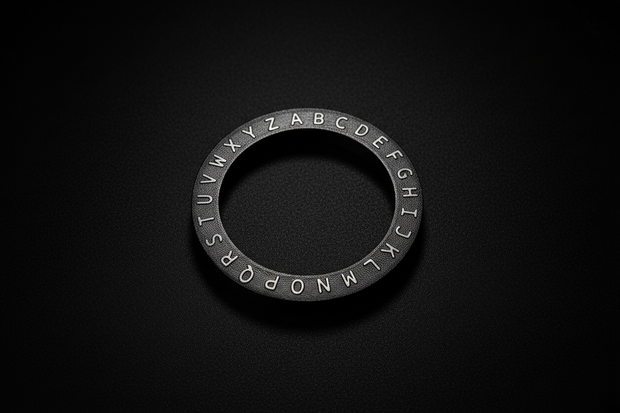
The Classic Edition keeps the alphabet in standard order. Cypher rearranges it.
Classic makes the construction logic easier to recognize, while Cypher creates a more encoded appearance. Neither method is inherently stronger. They are different visual translations of the same text.
Cypher vs Chaos
The Chaos Edition changes the system further by reducing the available alphabet and emphasizing consonants. Cypher retains the full alphabet but reorders it.
Use Cypher when you want full-letter input with altered geometry. Use Chaos when you want stronger linguistic reduction before plotting.
Best Uses for the Cypher Edition
The Cypher Edition may suit practitioners who want:
- an abstract design that remains repeatable;
- a comparison tool for studying mapping systems;
- a symbol that does not visibly resemble the original statement;
- a structured alternative to intuitive letter combination;
- multiple design options from one intention.
A Comparison Exercise
- Finalize one short intention.
- Generate it with the Classic Edition.
- Generate the same text with the Cypher Edition.
- Compare the raw line paths before editing.
- Refine each result using the same design constraints.
- Choose the version best suited to the intended medium.
This demonstrates exactly how alphabet order changes the finished structure.
Complete the Ritual Process
The generated design still needs to be refined, charged, and activated. The tool does not determine the meaning of the intention or guarantee a result.
Prepare the wording with How to Write Effective Sigil Intentions, then continue with the complete guide to creating, charging, and activating sigils.
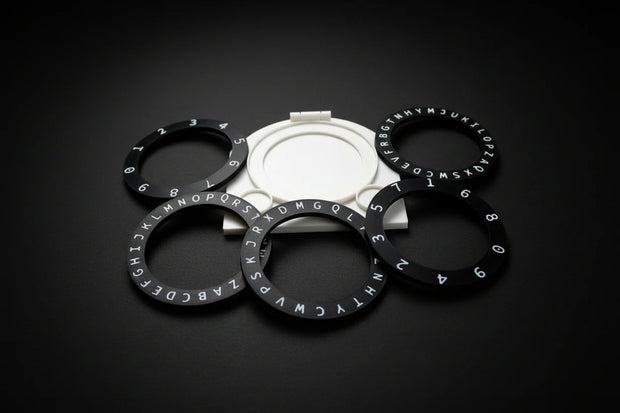
Explore the Sigil Forge Cypher Edition individually, or compare it with every available engine in the Sigil Forge Master Set.
Sigil Forge is a creative and ritual construction tool. It does not guarantee outcomes and should not replace practical, medical, mental health, legal, financial, safety, or emergency action.
Tools for this practice
Explore the products selected for this guide. Review each listing for what is included and how to use it.
Shop this guide · 4 items Collapse


Keep exploring the shop
You made it to the end of the guide. Keep exploring through related products, major departments, or the full catalog.
 RELATED TO THIS GUIDE
Ritual Supplies & Altar Tools
Shop this topic
RELATED TO THIS GUIDE
Ritual Supplies & Altar Tools
Shop this topic


Leave a comment